


The mouth of the Licking River. Photo by Rick Dikeman / CC BY-SA 3.0
On Aug. 2, the Kentucky Division of Water opened a new public comment period regarding their plan to address high levels of harmful bacteria in 100 stream segments in the Licking River and Salt River basins. The agency will be accepting comments on the draft report through Sept. 3.
States are required by the federal Clean Water Act to develop a “Total Maximum Daily Load” for water bodies that fail to meet water quality standards. This refers to the greatest amount of pollutants allowed in a water body before it is classified as impaired.
In this case, these streams failed to meet water quality standards for E. coli and/or fecal coliform bacterias, according to Kentucky Energy and Environment Cabinet spokesperson Robin Hartman.
This public comment period is part of the larger Kentucky Statewide Bacteria TMDL, the state’s plan to address excessive bacteria levels in more than 350 Kentucky streams by 2023.
Submit a Comment
Any comments must be sent no later than Sept. 3 either by email to [email protected] with the subject line, “Statewide Bacteria TMDL,” or by mail to the following address:
Water Quality Branch (ATTN: Statewide Bacteria TMDL)
Kentucky Division of Water
300 Sower Blvd., 3rd Floor
Frankfort, KY 40601
“The overall Kentucky Statewide Bacteria TMDL document is a framework that contains methodology and background for the state’s development of TMDLs,” Hartman wrote in an email. “The statewide document will grow as appendices are added that contain the individual reports for impaired stream segments.”
Hartman added that the final reports are published on the Division of Water TMDL website. There were no public comments made on the previous two draft reports, according to Hartman. The draft report can be accessed here.
Related Articles
Latest News
More Stories
Signs of Life
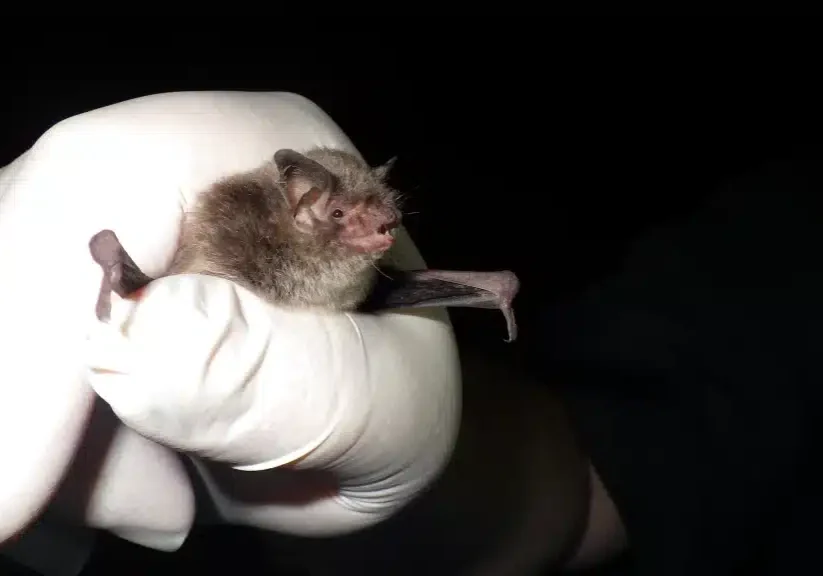
In the Nantahala National Forest, a team of biologists spotted Indiana bats, an endangered species that hasn’t been seen in North Carolina for the last 11 years.

‘First Line of Defense’
During Hurricane Helene and its aftermath, rural fire departments and other first responder hubs played critical roles in keeping their communities safe, even without power and cut off from outside support for days or weeks after the storm. Two years later, plenty of work remains to ensure these hubs have the resources they need to operate day to day and be ready when emergencies or natural disasters strike.

The Rocky Road — and Bridge — to Recovery
Hurricane Helene is estimated to have damaged nearly 7,000 private roads and bridges in Western North Carolina. Two years later, many restoration projects are complete, but the journey hasn’t been easy — and isn’t over for others.
After 20 Years, Letcher County Prison Proposal Is Still Alive, Though Obstacles Remain
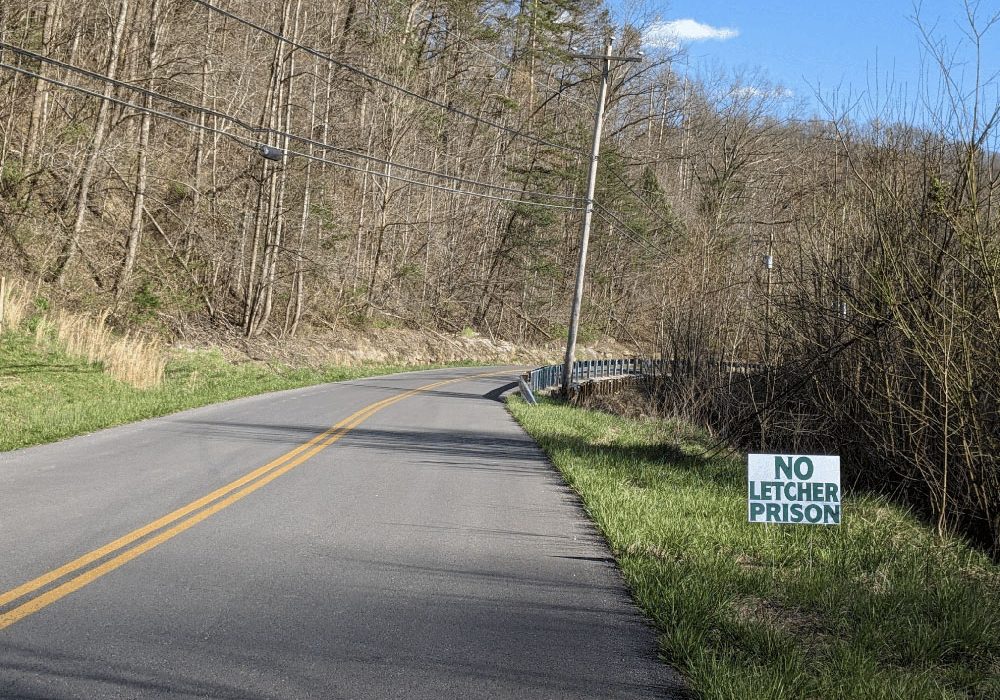
A $605 million proposal for a federal prison on a former strip mine site in Letcher County, Kentucky, championed by U.S. Rep. Hal Rogers, refuses to die, despite local opposition, a lack of support from the executive branch and numerous other obstacles.
The Washout and Rebuild
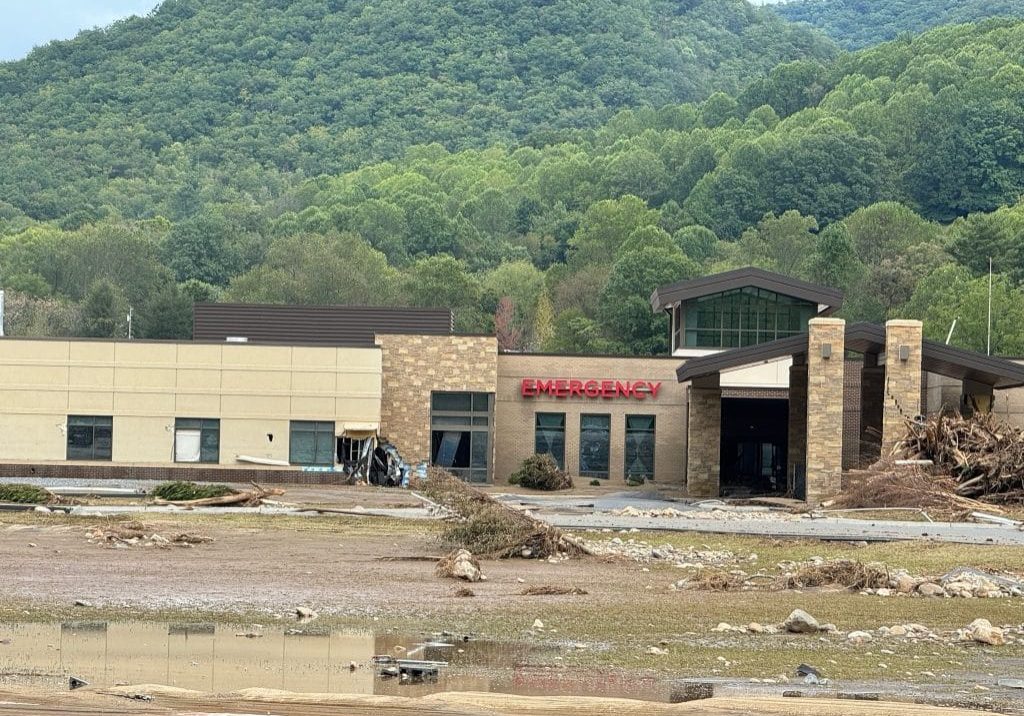
For nearly two years, residents of Unicoi County, Tennessee, have had to make do without a hospital after Hurricane Helene destroyed the rural hospital. Ballad Health, which owns the hospital, broke ground on a new location — in another floodplain — in August 2026.
The Shenandoah Salamander
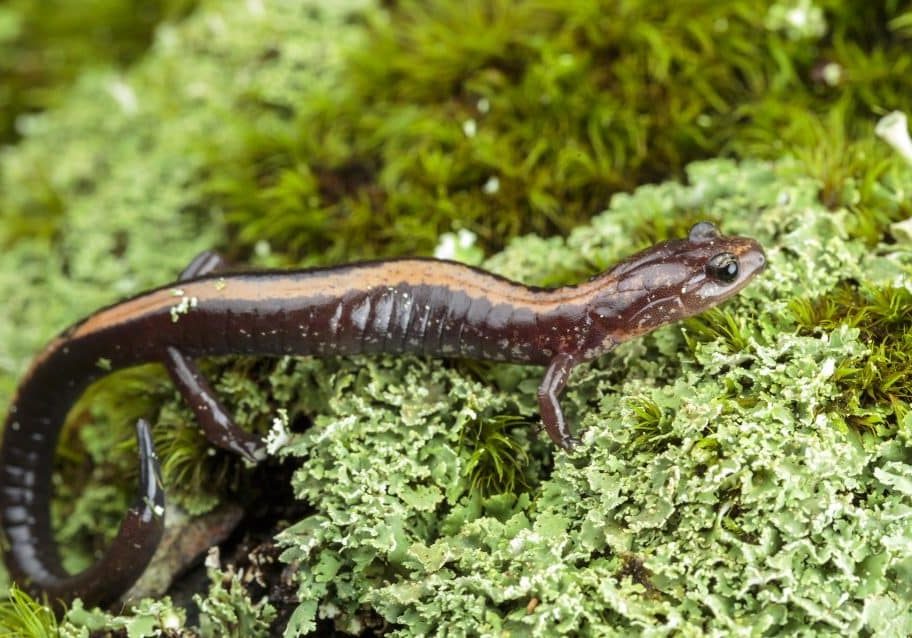
The Shenandoah salamander is a woodland salamander, which has adapted to life at higher elevations away from water. This sparkling rarity lives among the dry leaves, cracked logs, and stony hillocks on the highest peaks of Shenandoah National Park.

Leave a comment
Your email address will not be published. Required fields are marked *
Leave a Comment