

Appalachian Beginning Forest Farmer Coalition Receives Federal Grants
Forest farming, a form of agroforestry, is a centuries-old Indigenous practice gaining new traction throughout Appalachia among forest owners, academics, growers and farmers. This spring, a network of these stakeholders known as the Appalachian Beginning Forest Farmer Coalition received two grants from the U.S. Department of Agriculture to continue to expand their interests in reviving forest farming as a sustainable development practice. Founded in 2016, the Appalachian Beginning Forest Farmer Coalition includes forestland owners and farmers, universities, nonprofit organizations and state and federal agencies.
Forest farmers rely on the mutually beneficial relationships between plants, fungi and tree species in order to cultivate and harvest crops. By re-creating symbiotic relationships, forest gardens yield diverse edible, medicinal and decorative species. In Appalachia, farmers plant or propagate native, shade-loving crops such as American ginseng, ramps and goldenseal, along with crops like elderberries and shiitake mushrooms.
The price point for non-timber forest products, once low, is growing with increasing demand for these plants. Beyond the economic benefit producers receive, forest farming has other benefits, such as increasing a forest’s ability to store carbon in the soil, preserving the ecosystem and providing an alternative to foraging these plants in the wild, which can lead to over-harvesting.
The stakeholders in the Appalachian Beginning Forest Farmer Coalition have a common goal of increasing education, resources and support for agroforestry practitioners. The USDA’s renewal funding is intended to help the coalition build upon this work through technical, market sales, and state regulatory training for beginning forest farmers. This training is meant to help farmers navigate the process of meeting forest-grown verification and organic production standards, opening up new market opportunities.
“These new grants will help the coalition expand the practice of forest farming in Appalachia and ultimately nationwide, while also developing a self-sustaining association that supports forest farmers and other critical stakeholders, such as nonprofits, natural resources agencies, academics, and forest-dependent industries,” John Munsell, leader of the coalition, told the Virginia Tech Daily in April.
— By Hayley Canal
Related Articles
Latest News
More Stories
Neighbors Help Neighbors
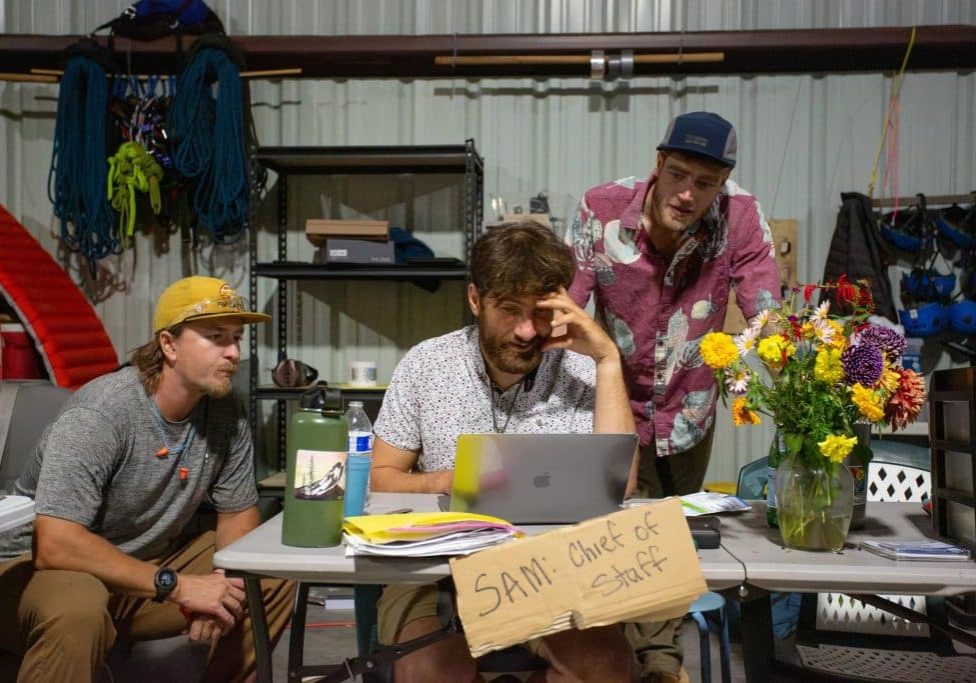
A photo essay that celebrates the volunteer spirit of the grassroots group Hurricane Helene WNC and speaks to the resourcefulness, collaboration and hard work embodied by thousands and thousands of volunteers, first responders and aid workers across the region after Hurricane Helene.

Halloween Approaches, and Night School Is in Session
The House of Art in Bluefield, West Virginia, looks like a haunted tower, making it the perfect location for its sixth annual haunt event: Night School. The Night School will be open every Friday and Saturday night through Oct. 31.
‘The Most Perfect Act of Love’
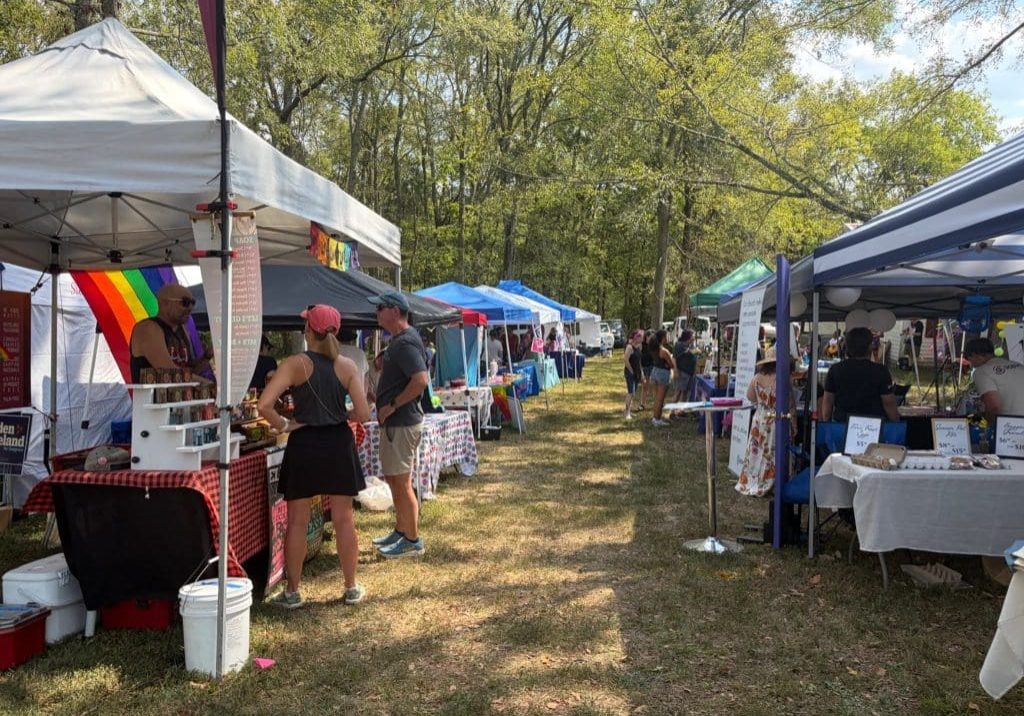
Hundreds of people attended the second annual Affirming Sumner Pride celebration on a 24-acre farm dubbed “Fruity Farm” in Bethpage, Sumner County, Tennessee.

Signs of Life: Endangered Bats Found in Nantahala for First Time in More Than a Decade
In the Nantahala National Forest, a team of biologists spotted Indiana bats, an endangered species that hasn’t been seen in North Carolina for the last 11 years.

‘First Line of Defense’
During Hurricane Helene and its aftermath, rural fire departments and other first responder hubs played critical roles in keeping their communities safe, even without power and cut off from outside support for days or weeks after the storm. Two years later, plenty of work remains to ensure these hubs have the resources they need to operate day to day and be ready when emergencies or natural disasters strike.

The Rocky Road — and Bridge — to Recovery
Hurricane Helene is estimated to have damaged nearly 7,000 private roads and bridges in Western North Carolina. Two years later, many restoration projects are complete, but the journey hasn’t been easy — and isn’t over for others.

Leave a comment
Your email address will not be published. Required fields are marked *
Leave a Comment