


The governor’s moratorium on utility shutoffs, which covered electric cooperatives and municipal power providers, expired on July 29, and the N.C. Utilities Commission’s moratorium on shutoffs for regulated utilities like Duke Energy ended in August. More than 1 million households in the state are now at risk of having their power and water turned off during the pandemic, according to an August report by the N.C. Utilities Commission. These households have more than $273 million in past-due bills.
On Aug. 27, a coalition of 95 organizations, businesses and residents including Appalachian Voices, which produces this publication, sent a letter to Gov. Cooper and state legislative leaders calling for an additional $400 million in utility bill assistance. Although the General Assembly passed a COVID-19 relief bill before they adjourned on Sept. 3, it lacked additional rent or utility bill assistance.
Authors of the letter noted that extreme seasonal temperatures would imperil residents who lose access to utility services, and that running water is an essential factor in preventing the spread of COVID-19. Additionally, losing internet access would make working or attending school remotely difficult.
In their letter, the groups also called on Gov. Cooper to pass an executive order establishing a moratorium on utility disconnections for the most economically vulnerable households and requiring reconnection for those that were disconnected due to non-payment. Advocates noted that COVID-19 disproportionately impacts low-income and minority communities.
Pamela Atwood with the nonprofit affordable housing advocacy group North Carolina Housing Coalition was one of the signees of the letter.
“Access to stable housing is vital to staying safe during the pandemic and to ensuring a steady economic recovery,” said Atwood in a press release. “The utility protections we are asking for ensure people stay housed and are able to access utility services that are necessary for basic cooking, comfort, and health. With the Governor’s announced assistance programs, people need extra time to be able access those resources, and more resources are still needed. The requested protections keep people from falling through the cracks and potential long-term financial devastation as they wait for those programs to be launched.” — By Kevin Ridder
Related Articles
Latest News
More Stories

Halloween Approaches, and Night School Is in Session
The House of Art in Bluefield, West Virginia, looks like a haunted tower, making it the perfect location for its sixth annual haunt event: Night School. The Night School will be open every Friday and Saturday night through Oct. 31.

‘The Most Perfect Act of Love’
After losing its rural pride celebration, hundreds of people attended the second annual Affirming Sumner Pride celebration on a 24-acre farm dubbed “Fruity Farm” in Bethpage, Sumner County, Tennessee.

Signs of Life
In the Nantahala National Forest, a team of biologists spotted Indiana bats, an endangered species that hasn’t been seen in North Carolina for the last 11 years.

‘First Line of Defense’
During Hurricane Helene and its aftermath, rural fire departments and other first responder hubs played critical roles in keeping their communities safe, even without power and cut off from outside support for days or weeks after the storm. Two years later, plenty of work remains to ensure these hubs have the resources they need to operate day to day and be ready when emergencies or natural disasters strike.

The Rocky Road — and Bridge — to Recovery
Hurricane Helene is estimated to have damaged nearly 7,000 private roads and bridges in Western North Carolina. Two years later, many restoration projects are complete, but the journey hasn’t been easy — and isn’t over for others.
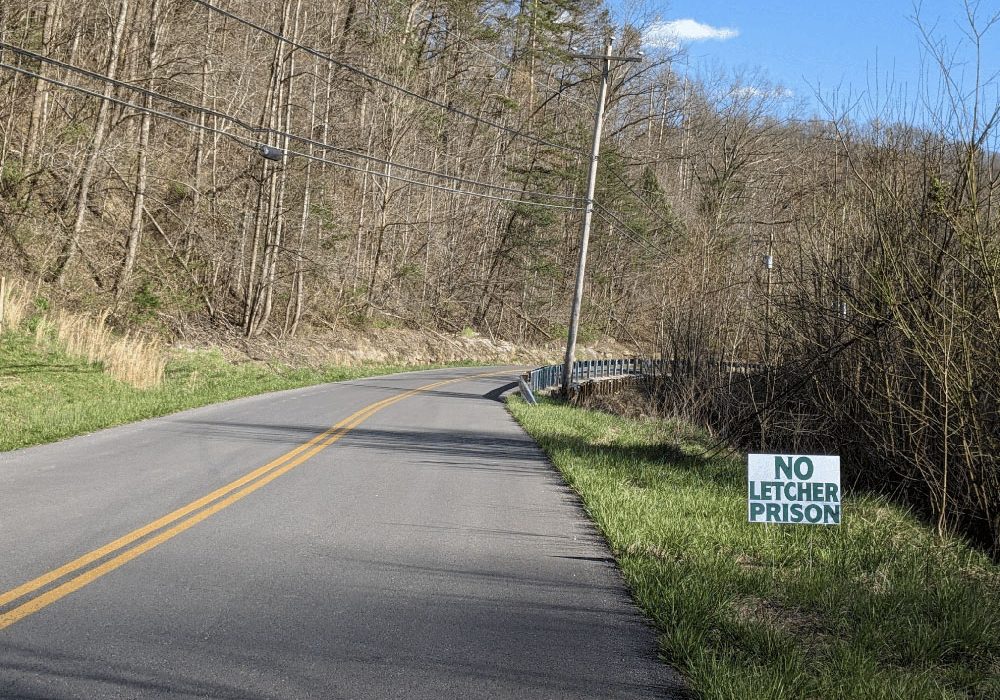
After 20 Years, Letcher County Prison Proposal Is Still Alive, Though Obstacles Remain
A $605 million proposal for a federal prison on a former strip mine site in Letcher County, Kentucky, championed by U.S. Rep. Hal Rogers, refuses to die, despite local opposition, a lack of support from the executive branch and numerous other obstacles.

Leave a comment
Your email address will not be published. Required fields are marked *
Leave a Comment