

The Appalachian Voice shifts to publishing online
Welcome to the redesigned online home of The Appalachian Voice publication.

For nearly 25 years, The Appalachian Voice has shared news of environmental happenings in our region and stories that celebrate Appalachia’s people, places and culture.
With the help of our dedicated team of distributors, the free and widely available print edition of The Appalachian Voice has also played a major role in making Appalachian Voices, the multi-state nonprofit organization that publishes The Appalachian Voice, the powerful force for change that it is today.
Most recently, we played a major role in the defeat of the Atlantic Coast Pipeline, and we continue to fight the Mountain Valley Pipeline and its proposed extension. In 2019 and the first half of 2020, we changed state laws to open up access to solar energy in coal country, helped secure federal funding for the first solar farm on mined land in Southwest Virginia. And won, with our partners, key battles to prevent monopoly utilities from charging customers for unnecessary fossil fuel projects as well as complete cleanup of North Carolina’s coal ash ponds.
As we navigate these uncharted economic times and look toward the months and years ahead, Appalachian Voices remains absolutely committed to advancing our campaigns for healthy ecosystems, resilient local economies, and environmental justice, and to allocating our limited resources to have the greatest possible impact in this work.
After much consideration, we have made the difficult but fiscally responsible decision to cease, for the time being, our print publication of The Voice. Production and distribution of the print edition of The Appalachian Voice had been on hold since the beginning of the coronavirus pandemic in an effort to keep all Appalachian Voices volunteers and staff safe.
However, The Voice will persist on the web, where we will continue to bring readers stories about our wonderful region that both inform and inspire. We will be updating this site on a rolling basis with new stories, and will be sending updates on the latest articles through The Appalachian Voice email newsletter (sign up here).
We don’t make this decision lightly. The Voice has a special place in the hearts of our staff and board. Our Executive Director, Tom Cormons, learned about Appalachian Voices 20 years ago when he discovered a copy of The Voice; he was captivated by the way the newspaper spoke both to the natural and cultural beauty of our region and to our shared responsibility to care for our natural heritage and our neighbors. We remain committed to the values embodied in the print publication and pledge to uphold those in the online version, and in our work to defend our beloved region.
During these challenging times, we would also like to lift up our recent advertisers, who supported our print edition for many years. We are grateful for our longstanding partnerships with Mast General Store, Grandfather Mountain, The Spice and Tea Exchange of Blowing Rock (and now also West Jefferson!), Reid’s Cafe and Catering Co., Appalachian Energy Center, Wood Energy Warehouse and Army Surplus Warehouse and Carolina Mountain Life Magazine.
We greatly appreciate your readership, and look forward to connecting with you online. We welcome your thoughts on this decision at [email protected].
With commitment,
Molly Moore, Editor, The Appalachian Voice
Kevin Ridder, Associate Editor, The Appalachian Voice
Meredith “Mayzie” Shelton, Distribution Coordinator, The Appalachian Voice
Tom Cormons, Appalachian Voices Executive Director
Kate Boyle, Appalachian Voices Deputy Executive Director
and the rest of the Appalachian Voices team
Related Articles
Latest News
More Stories

Increasing Human-Bear Conflict Prompts Legislation, Need for More Public Awareness
Experts report human-bear conflicts are on the rise in Western North Carolina, East Tennessee and other parts of the country due to an increasing bear population, development encroaching on bear habitat and other factors.

Planting for the Grandkids
Gardening from memory is getting trickier in Appalachia as hardiness zones change. Some areas, like parts of Asheville, Knoxville and Johnson City, have shifted full hardiness zones since 1990. An arborist explains what this shift means for the trees you plant this fall, and for the grandchildren who’ll live with them.

Ridgeline Pipeline Construction Impacts in Rural East Tennessee
Neighbors share concerns about noise, unpredictable construction schedules and other disruptions due to methane gas pipeline construction in East Tennessee.
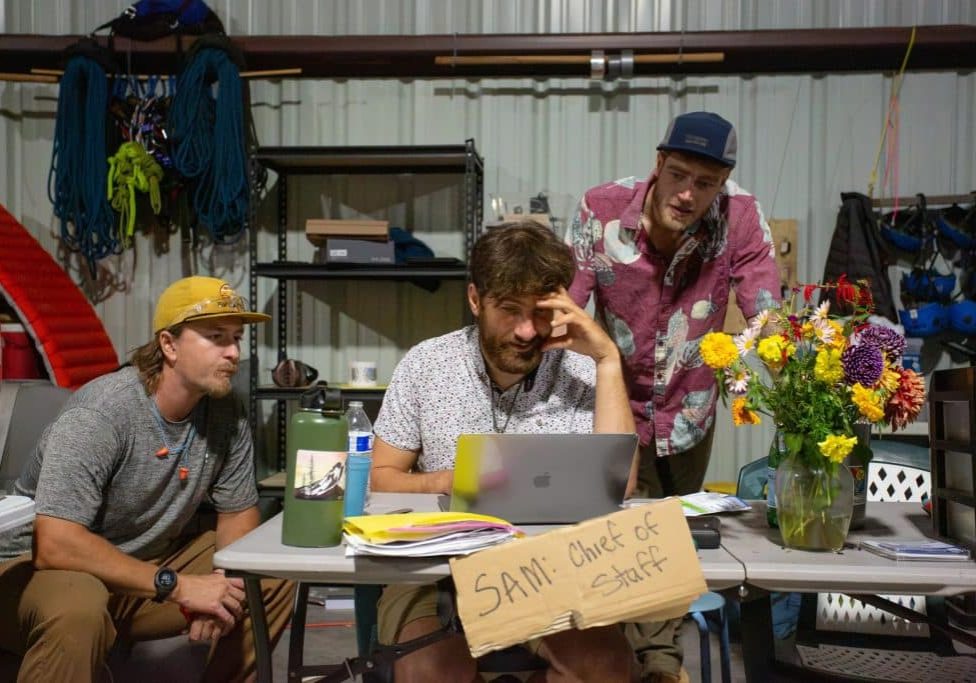
Neighbors Help Neighbors
A photo essay that celebrates the volunteer spirit of the grassroots group Hurricane Helene WNC and speaks to the resourcefulness, collaboration and hard work embodied by thousands and thousands of volunteers, first responders and aid workers across the region after Hurricane Helene.

Halloween Approaches, and Night School Is in Session
The House of Art in Bluefield, West Virginia, looks like a haunted tower, making it the perfect location for its sixth annual haunt event: Night School. The Night School will be open every Friday and Saturday night through Oct. 31.
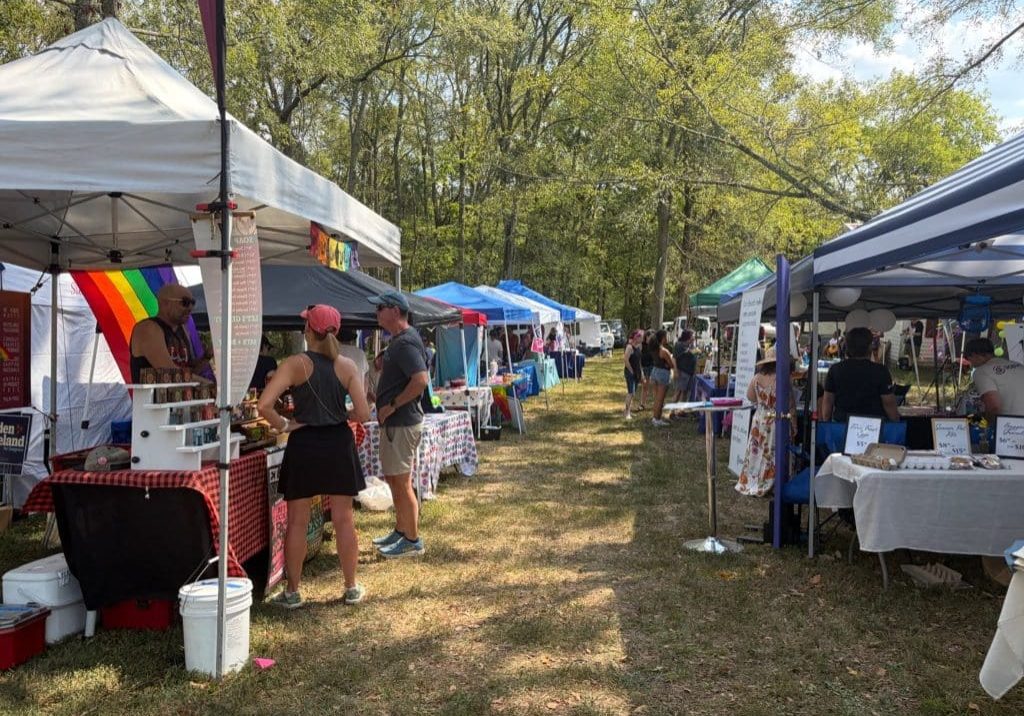
‘The Most Perfect Act of Love’
Hundreds of people attended the second annual Affirming Sumner Pride celebration on a 24-acre farm dubbed “Fruity Farm” in Bethpage, Sumner County, Tennessee.

Leave a comment
Your email address will not be published. Required fields are marked *
Leave a Comment