

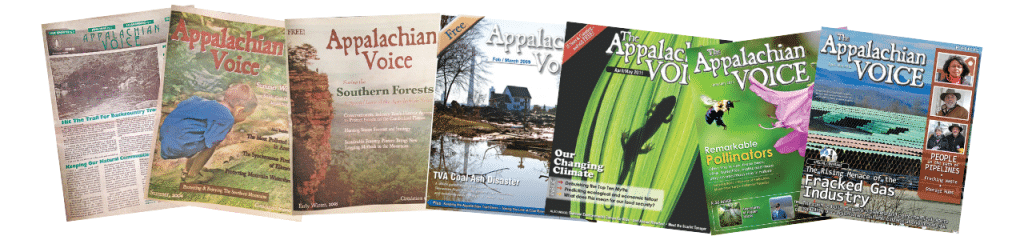
The first issue of The Appalachian Voice went to press in early 1996 — a bootstrap operation initially produced by the Sierra Club’s Southern Appalachian Highlands Ecoregion Task Force. Anthropologist and activist Harvard Ayers led the task force and served as publisher, and journalist Nathaniel “Than” Axtell was the first editor.
As it does today, the publication investigated the environmental harms facing the people of Appalachia, prioritizing the voices of residents harmed by destructive industries, while also celebrating the region’s culture and natural wonders.
During the first year of publication, Ayers and Axtell recognized the need for a regional advocacy organization to tackle the environmental problems covered in the paper. In 1997, the organization Appalachian Voices received its nonprofit charter, starting in Boone, North Carolina, with two employees.
Today, as Appalachian Voices approaches its own 30th anniversary in 2027, the organization has grown to a staff of 45 and has expanded with offices in Knoxville, Tennessee; Charleston, West Virginia; and Charlottesville and Norton, Virginia.
Over the decades, hundreds of contributing writers, photographers, interns and volunteers supported a lean staff in creating and distributing each issue of The Appalachian Voice. Fueled by passion for our stories, a commitment to accuracy, and a fair amount of caffeine, the team published roughly six issues per year through early 2020. By then, more than 200 volunteer distributors across seven states were delivering approximately 450,000 copies annually to newsstands, coffee shops, libraries, grocery stores and more.
The coronavirus pandemic put an abrupt halt to the print operation, as distribution locations closed, readers and volunteers stayed home, and advertisers faced uncertainty. The Appalachian Voice continued to periodically publish new articles online, while the Appalachian Voices organization grew and directed more communications resources towards advocacy.
Starting in 2023, The Appalachian Voice has brought back one special print edition each year to complement the articles at AppVoices.org/Voice.
As we enter our 30th year, we regularly publish new articles online and are now adding audio stories into the mix. Sharp-eyed readers will also notice a fresh logo on the cover of this year’s edition, as we enter a new decade with an updated look.
We look forward to our next 30 years of bringing you news and stories that highlight underreported issues affecting Appalachia’s land, air, water and communities — and celebrate our region’s character, beauty and natural treasures. To sustain The Appalachian Voice, become a member of Appalachian Voices at AppVoices.org/donate. You can also have new articles delivered to your inbox by signing up for free at AppVoices.org/Subscribe.
Related Articles
Latest News
More Stories
Neighbors Help Neighbors
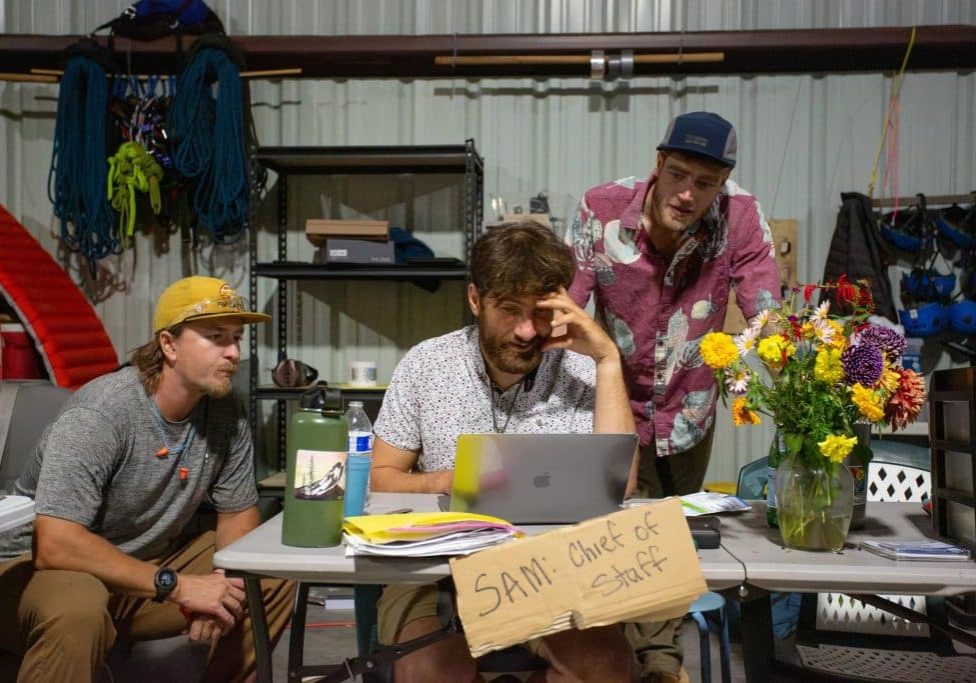
A photo essay that celebrates the volunteer spirit of the grassroots group Hurricane Helene WNC and speaks to the resourcefulness, collaboration and hard work embodied by thousands and thousands of volunteers, first responders and aid workers across the region after Hurricane Helene.

Halloween Approaches, and Night School Is in Session
The House of Art in Bluefield, West Virginia, looks like a haunted tower, making it the perfect location for its sixth annual haunt event: Night School. The Night School will be open every Friday and Saturday night through Oct. 31.
‘The Most Perfect Act of Love’
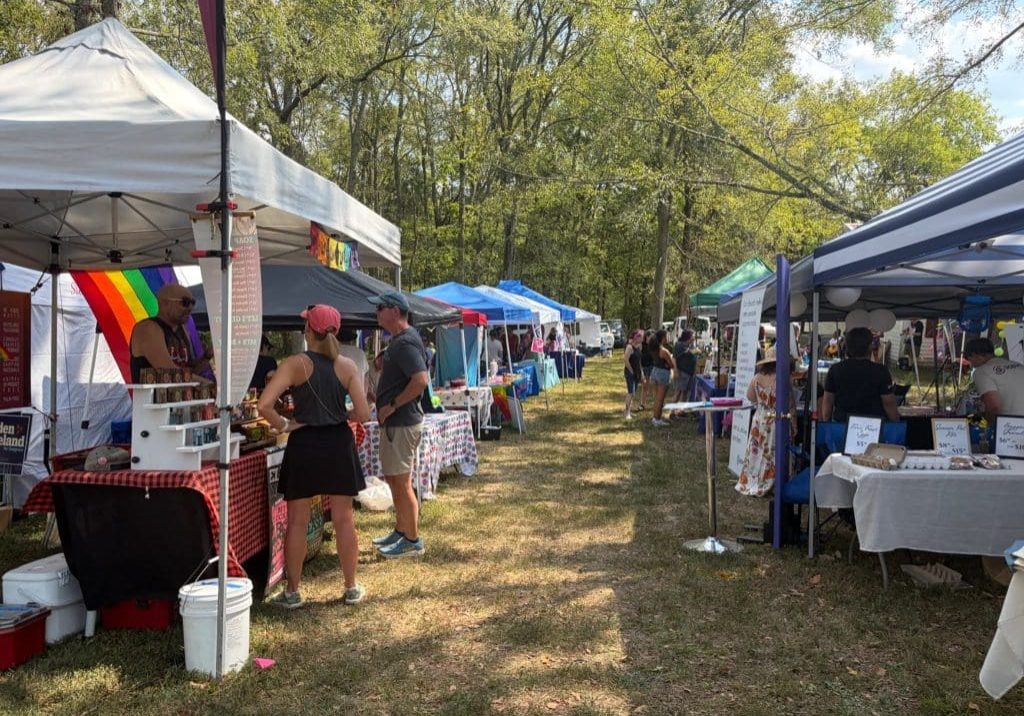
Hundreds of people attended the second annual Affirming Sumner Pride celebration on a 24-acre farm dubbed “Fruity Farm” in Bethpage, Sumner County, Tennessee.
Signs of Life: Endangered Bats Found in Nantahala for First Time in More Than a Decade
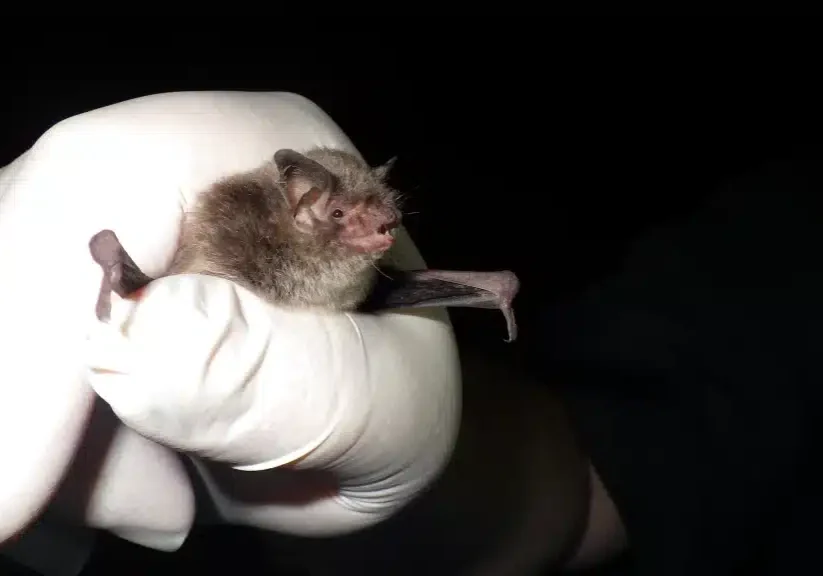
In the Nantahala National Forest, a team of biologists spotted Indiana bats, an endangered species that hasn’t been seen in North Carolina for the last 11 years.

‘First Line of Defense’
During Hurricane Helene and its aftermath, rural fire departments and other first responder hubs played critical roles in keeping their communities safe, even without power and cut off from outside support for days or weeks after the storm. Two years later, plenty of work remains to ensure these hubs have the resources they need to operate day to day and be ready when emergencies or natural disasters strike.

The Rocky Road — and Bridge — to Recovery
Hurricane Helene is estimated to have damaged nearly 7,000 private roads and bridges in Western North Carolina. Two years later, many restoration projects are complete, but the journey hasn’t been easy — and isn’t over for others.

Leave a comment
Your email address will not be published. Required fields are marked *
Leave a Comment