

Elizabeth Ore and Peter Cowan
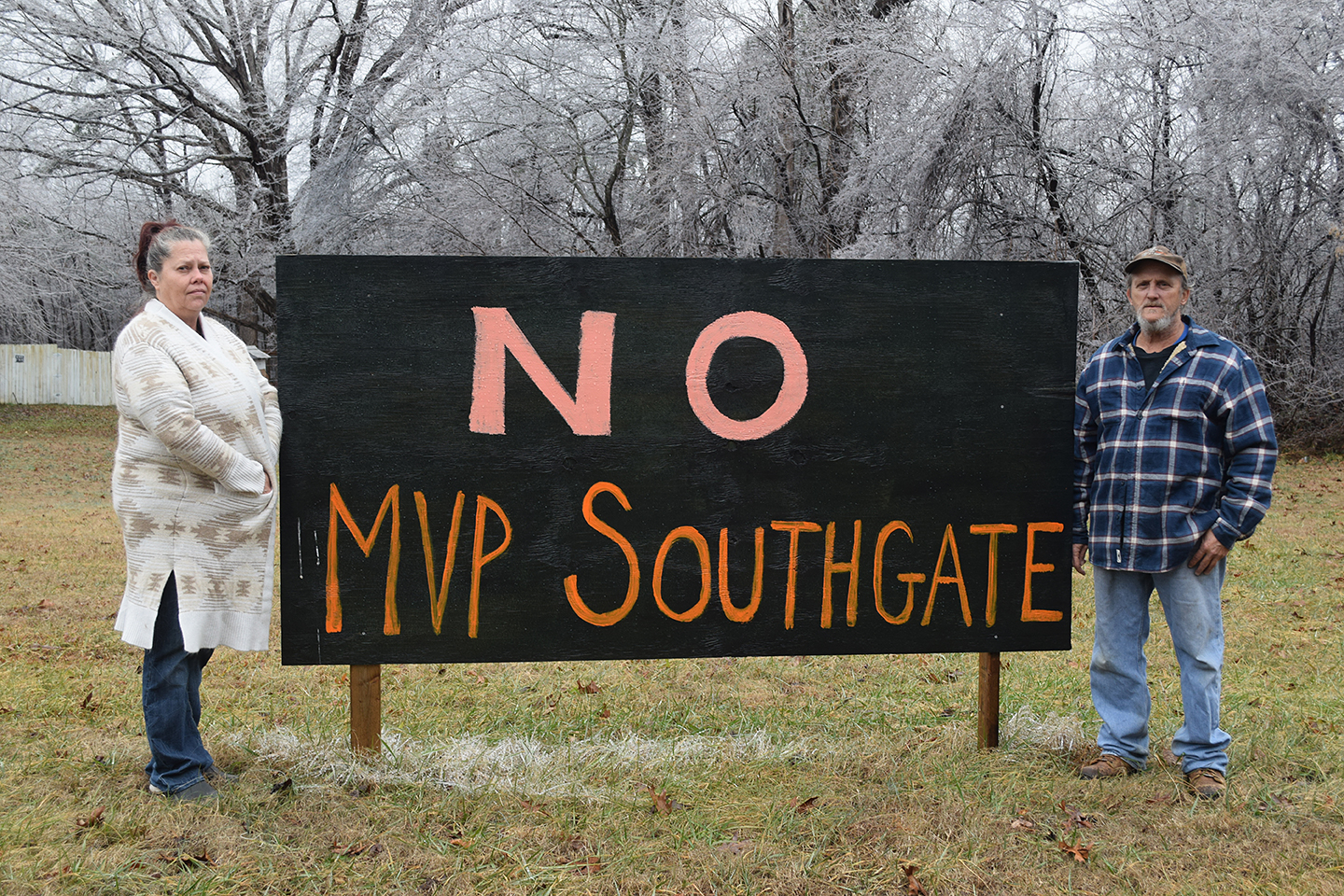
Elizabeth Ore and Peter Cowan in their front yard. Photo by Kevin Ridder
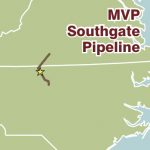
Elizabeth Ore and Peter Cowan’s location in the path of MVP Southgate.
“A lot of the neighbors started laughing when I put the signs up, because they had no clue what I was protesting,” says Elizabeth. The laughing stopped when she explained their situation.
The fracked-gas pipeline’s projected route runs directly through Elizabeth and Peter’s yard. It also crosses a water line that supplies their son’s house next door and passes close to both septic systems. The couple is concerned that pipeline construction could contaminate or dry up the old, shallow well that supplies water to both houses — not to mention the danger construction would pose aboveground.
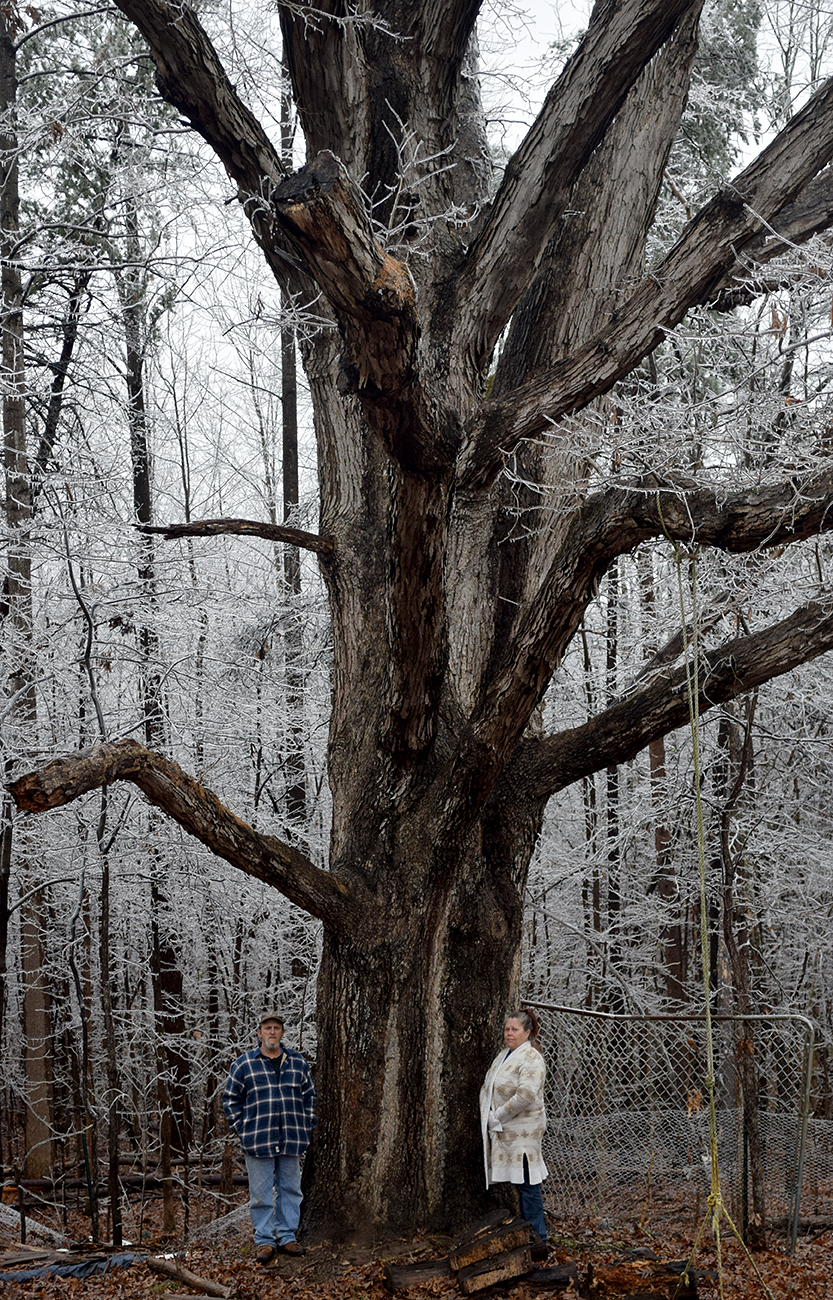
Elizabeth’s favorite tree, a massive red oak, would likely be cut down if MVP Southgate’s proposed route is approved. Photo by Kevin Ridder
“My grandkids play in that yard,” Elizabeth says. “My 4-year-old granddaughter lives right next door, and she comes across that field all the time. If something were to happen to her … mhmm. It would not be good.”
Peter states that the Southgate representative who originally spoke to them said the pipeline would follow an existing power line right-of-way and wouldn’t affect private property.
“When you talk to them, they talk nice,” Peter says. “Then you hear what they’re really doing.”
When the company held a public information meeting, Elizabeth asked to look at the pipeline’s route
“[A Mountain Valley representative] showed me where it was going straight through my property,” she says. “I was like, ‘oh, so you lied.’ Number one, I don’t take that well.”
Elizabeth states that even if Southgate didn’t go through her property, “I would still argue against it for my neighbors because I don’t want them to have to go through it either.”
At a Reidsville city hall meeting in late 2018, Peter and Elizabeth spoke to multiple local elected officials. “We were pretty much just blown off,” Peter says. “We just got the feeling that no matter what we say, [our representatives] won’t listen or do anything because it’s not affecting them.”

Elizabeth and Peter’s yard is lined with signs protesting MVP Southgate. Photo by Kevin Ridder
Peter and Elizabeth wonder why the route is going through such a populated area. If eminent domain comes in to play, Elizabeth says Southgate is “not worried about people like us because we don’t have the money to fight them.”
“They don’t care where they’re going, they already know they’re going and they don’t care,” Elizabeth says. “They don’t care about the communities, they don’t care about the people that live in them.” — By Kevin Ridder
Related Articles
Latest News
More Stories

Halloween Approaches, and Night School Is in Session
The House of Art in Bluefield, West Virginia, looks like a haunted tower, making it the perfect location for its sixth annual haunt event: Night School. The Night School will be open every Friday and Saturday night through Oct. 31.
‘The Most Perfect Act of Love’
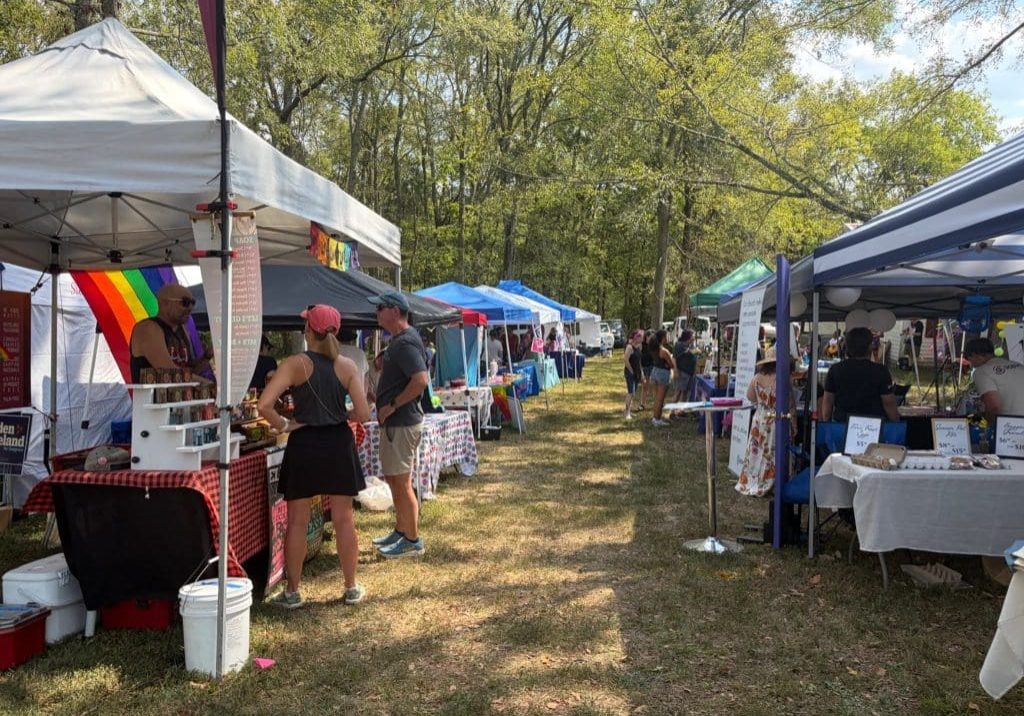
After losing its rural pride celebration, hundreds of people attended the second annual Affirming Sumner Pride celebration on a 24-acre farm dubbed “Fruity Farm” in Bethpage, Sumner County, Tennessee.

Signs of Life
In the Nantahala National Forest, a team of biologists spotted Indiana bats, an endangered species that hasn’t been seen in North Carolina for the last 11 years.

‘First Line of Defense’
During Hurricane Helene and its aftermath, rural fire departments and other first responder hubs played critical roles in keeping their communities safe, even without power and cut off from outside support for days or weeks after the storm. Two years later, plenty of work remains to ensure these hubs have the resources they need to operate day to day and be ready when emergencies or natural disasters strike.

The Rocky Road — and Bridge — to Recovery
Hurricane Helene is estimated to have damaged nearly 7,000 private roads and bridges in Western North Carolina. Two years later, many restoration projects are complete, but the journey hasn’t been easy — and isn’t over for others.
After 20 Years, Letcher County Prison Proposal Is Still Alive, Though Obstacles Remain
A $605 million proposal for a federal prison on a former strip mine site in Letcher County, Kentucky, championed by U.S. Rep. Hal Rogers, refuses to die, despite local opposition, a lack of support from the executive branch and numerous other obstacles.

Leave a comment
Your email address will not be published. Required fields are marked *
Leave a Comment