

Advocates Increase Powell Valley Electric Co-op Member Participation
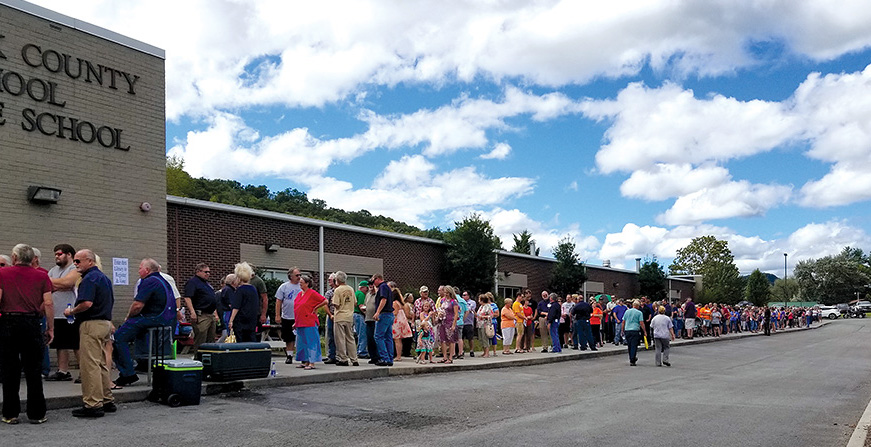
PVEC members line up to vote at the 2018 annual meeting. Photo by Lynn Tobey
“There were no failures, because the number-one thing that happened was that awareness was raised,” says Strickland.
Strickland notes that even before the annual meeting, the co-op — which serves part of Northeast Tennessee and Southwest Virginia — had started developing a more informative website in response to member-owner requests. At the meeting in September, more than 1,200 Powell Valley member-owners voted, the second-largest voter turnout in recent history.
At the meeting, Strickland brought forth a motion that the co-op “make a concerted effort to educate their member-owners.” The board passed the motion, and has worked with PVEC Member Voices to add a district map, board meeting information and notifications regarding right-of-way herbicide spraying to their website.
The co-op also adopted an open board meeting policy. Strickland acknowledges that there is still a lot of work to do toward increased transparency. Member-owners have to submit a written notice 20 days prior to a monthly meeting if they plan to speak, and the policy for open meetings could be revoked at any time since it is not in the co-op bylaws.
Additionally, Powell Valley Electric intervened in a Virginia State Corporation Commission case against three member-owners of Rappahannock Electric Cooperative who are challenging their coop’s policies . Strickland stated that PVEC Member Voices will decide what path to pursue toward co-op reform in the new year.
“There should be an equal partnership between the members and the board and management,” says Strickland. “We are, after all, a community; we’re all going to rise or fall together.” — By Kevin Ridder
Related Articles
Latest News
More Stories

Halloween Approaches, and Night School Is in Session
The House of Art in Bluefield, West Virginia, looks like a haunted tower, making it the perfect location for its sixth annual haunt event: Night School. The Night School will be open every Friday and Saturday night through Oct. 31.
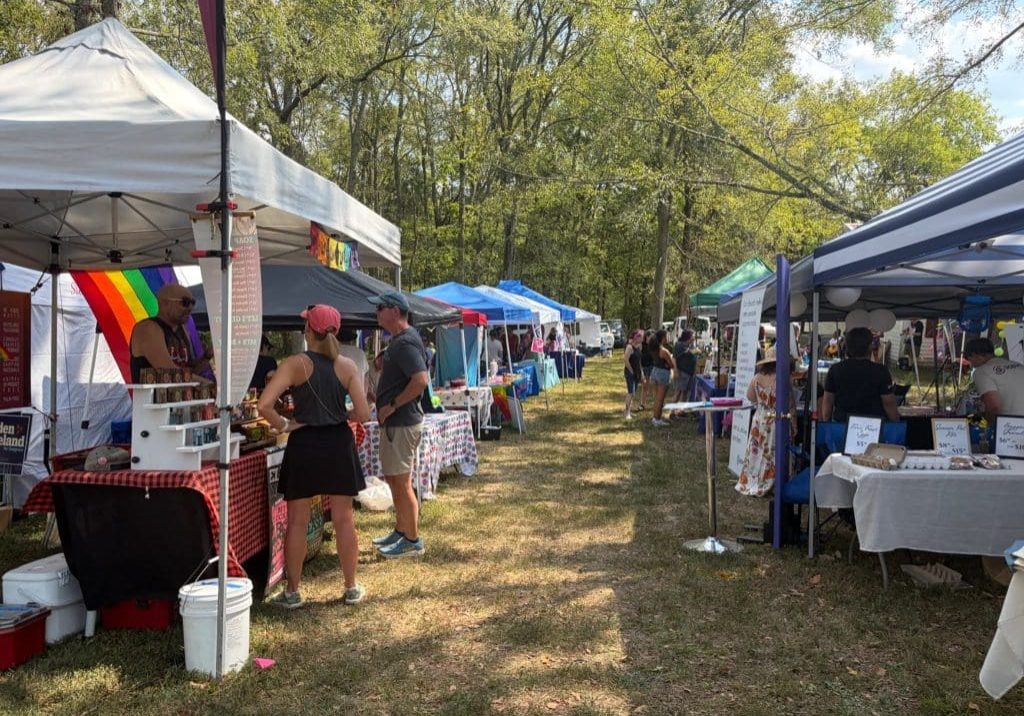
‘The Most Perfect Act of Love’
After losing its rural pride celebration, hundreds of people attended the second annual Affirming Sumner Pride celebration on a 24-acre farm dubbed “Fruity Farm” in Bethpage, Sumner County, Tennessee.

Signs of Life
In the Nantahala National Forest, a team of biologists spotted Indiana bats, an endangered species that hasn’t been seen in North Carolina for the last 11 years.

‘First Line of Defense’
During Hurricane Helene and its aftermath, rural fire departments and other first responder hubs played critical roles in keeping their communities safe, even without power and cut off from outside support for days or weeks after the storm. Two years later, plenty of work remains to ensure these hubs have the resources they need to operate day to day and be ready when emergencies or natural disasters strike.

The Rocky Road — and Bridge — to Recovery
Hurricane Helene is estimated to have damaged nearly 7,000 private roads and bridges in Western North Carolina. Two years later, many restoration projects are complete, but the journey hasn’t been easy — and isn’t over for others.
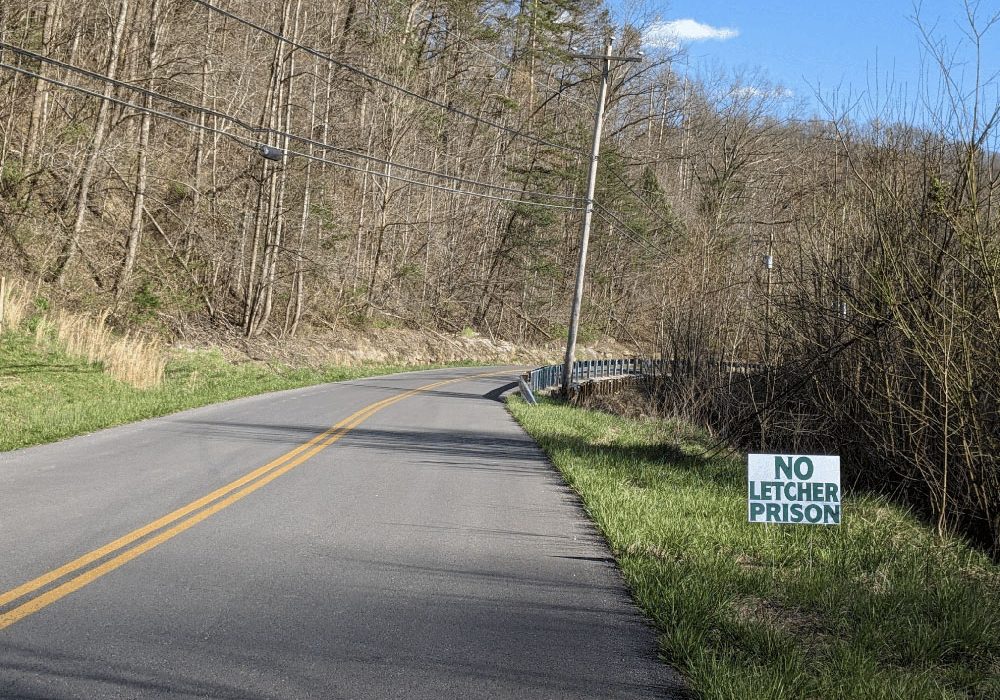
After 20 Years, Letcher County Prison Proposal Is Still Alive, Though Obstacles Remain
A $605 million proposal for a federal prison on a former strip mine site in Letcher County, Kentucky, championed by U.S. Rep. Hal Rogers, refuses to die, despite local opposition, a lack of support from the executive branch and numerous other obstacles.

Leave a comment
Your email address will not be published. Required fields are marked *