

Members of Choctaw Electric Continue to Reform Their Co-op
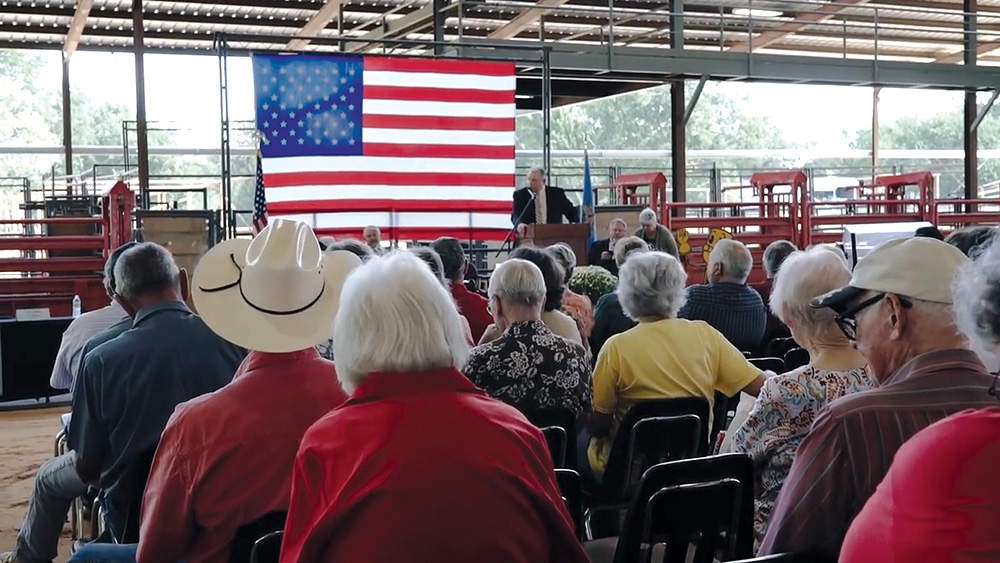
Choctaw Electric’s annual meeting in 2015. Photo courtesy of Stan Hammons
“But more importantly, I started noticing that several of my elderly relatives who were on fixed incomes were having to make decisions about whether to buy their medication or pay their high electric bills,” Hammons says.
After some digging, Hammons and other member-owners discovered that Choctaw’s then-CEO Terry Matlock had a total annual compensation of around $300,000, had recently given himself a board-approved $1.8 million bonus, was using cooperative equipment and employees for personal projects and had a history of using co-op funds to pay for escort services on out-of-state business trips.
“All of that matters, because every misspent dollar is added on to your electric bill,” says Hammons, noting that the co-op was roughly $70 million in debt in 2014.
So the group of member-owners traveled around the co-op’s service area to educate others about problems with Choctaw, holding meetings and going door-to-door. In 2014, the board fired Matlock. When three board seats came up for election in 2015, reform candidates won all three.
Since 2014, Hammons states the coop’s debt has been reduced to $49 million, a new net metering program has helped increase homeowner solar by roughly 3,000 percent, mail-in ballots are now required and board meetings are open to the public. “Rates have gone down some, not as much as we’d like,” says Hammons. He notes that the co-op’s leftover debt will likely prohibit major rate decreases for several years.
According to Hammons, one of the original reform candidates used co-op funds for excessive travel. So at September’s annual meeting, the member was voted out, and Hammons states they are working on a policy to limit travel to two trips per year. Reformers now make up a majority of the board.
“Reform is not an event — it’s a process,” says Hammons. — By Kevin Ridder
Related Articles
Latest News
More Stories
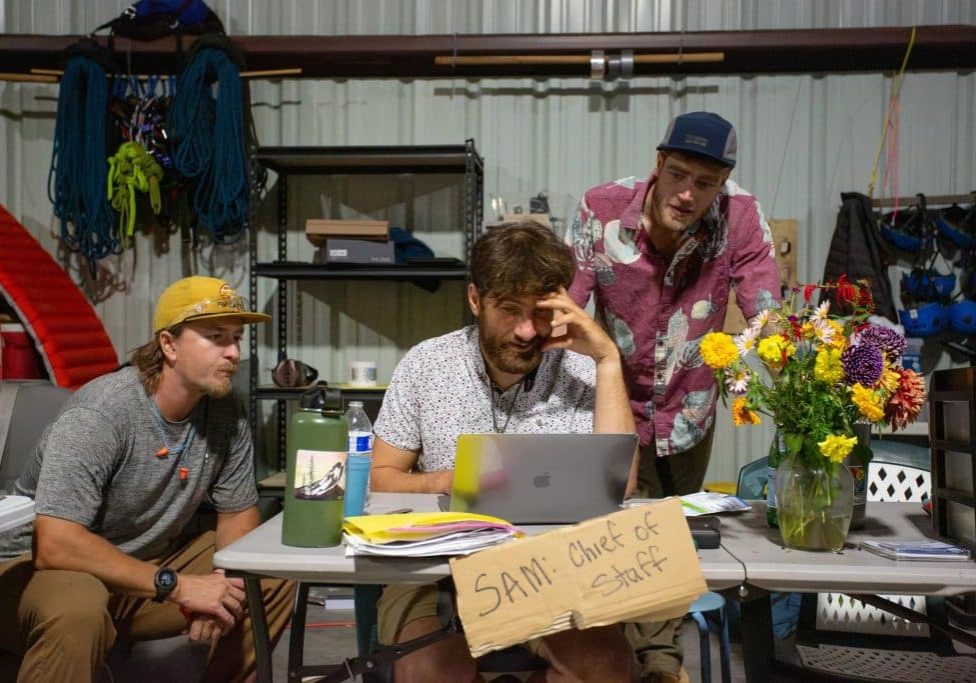
Neighbors Help Neighbors
A photo essay that celebrates the volunteer spirit of the grassroots group Hurricane Helene WNC and speaks to the resourcefulness, collaboration and hard work embodied by thousands and thousands of volunteers, first responders and aid workers across the region after Hurricane Helene.

Halloween Approaches, and Night School Is in Session
The House of Art in Bluefield, West Virginia, looks like a haunted tower, making it the perfect location for its sixth annual haunt event: Night School. The Night School will be open every Friday and Saturday night through Oct. 31.
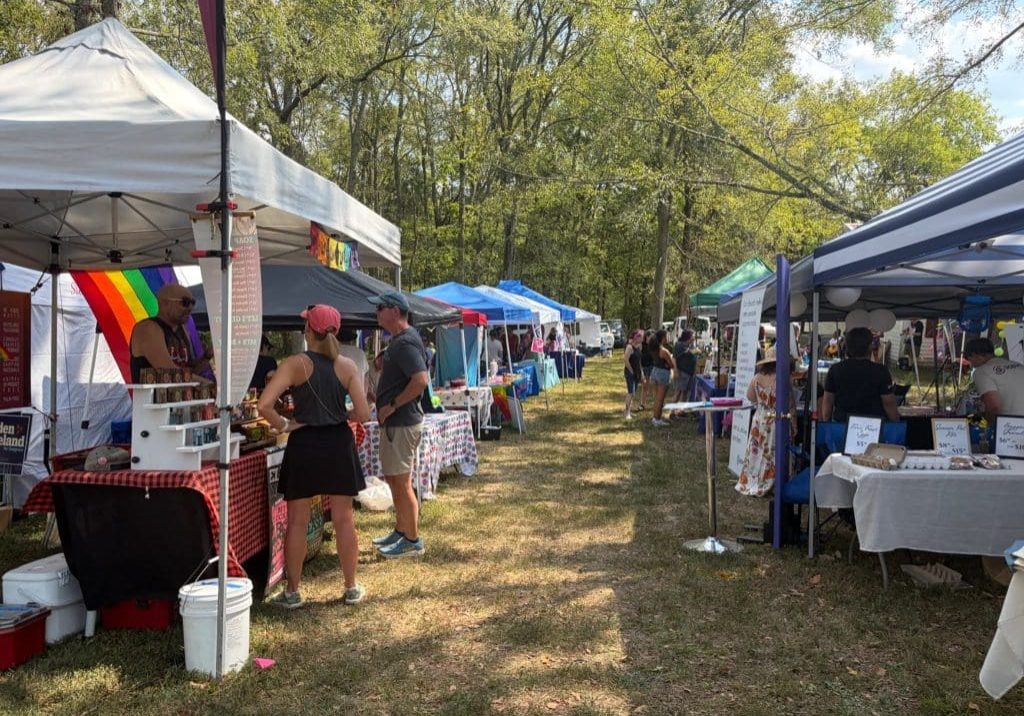
‘The Most Perfect Act of Love’
Hundreds of people attended the second annual Affirming Sumner Pride celebration on a 24-acre farm dubbed “Fruity Farm” in Bethpage, Sumner County, Tennessee.

Signs of Life: Endangered Bats Found in Nantahala for First Time in More Than a Decade
In the Nantahala National Forest, a team of biologists spotted Indiana bats, an endangered species that hasn’t been seen in North Carolina for the last 11 years.

‘First Line of Defense’
During Hurricane Helene and its aftermath, rural fire departments and other first responder hubs played critical roles in keeping their communities safe, even without power and cut off from outside support for days or weeks after the storm. Two years later, plenty of work remains to ensure these hubs have the resources they need to operate day to day and be ready when emergencies or natural disasters strike.

The Rocky Road — and Bridge — to Recovery
Hurricane Helene is estimated to have damaged nearly 7,000 private roads and bridges in Western North Carolina. Two years later, many restoration projects are complete, but the journey hasn’t been easy — and isn’t over for others.

Leave a comment
Your email address will not be published. Required fields are marked *
Leave a Comment