

By Elizabeth E. Payne
The incidence of black lung disease among Appalachian coal miners is at a 25-year high, according to a recent study by scientists from the National Institute for Occupational Safety and Health.
Black lung disease results in the scarring of lung tissue when coal and silica dust are inhaled during mining. The disease is chronic and fatal, though there are treatments that can improve quality of life.
Despite the sharp rise in reported cases of black lung, the federal taxes on coal companies that help compensate affected miners are set to expire next year. Currently, coal companies pay $1.10 per ton of coal excavated underground to the federal Black Lung Disability Trust Fund, which supports miners affected by the incurable disease. But this rate is set to drop by more than half, to $.50 per ton, in 2019.
Such a reduction in funds would likely require a taxpayer bailout to keep the black lung trust fund solvent, according to an analysis by the Government Accountability Office.
Citing hard times, coal companies are in favor of this tax reduction, but the coal miners’ trade union sees things differently.
“This is a problem that has been created by the coal industry,” Cecil Roberts, president of the United Mineworkers Union of America, told Reuters. “There is a system to help the victims of this disease already in place that the coal industry pays for, and I see no reason why we would put the taxpayers on the hook instead.”
In Kentucky, new state regulations make it harder for miners with black lung disease to win workers’ compensation claims. The law prohibits radiologists from reading a patient’s x-ray and diagnosing the disease. Only pulmonologists — specialists of the lungs and respiratory system — can now make this diagnosis for compensation claims.
According to an analysis by NPR, “just six pulmonologists in Kentucky have the federal certification to read black lung X-rays and four of them routinely are hired by coal companies or their insurers.”
Meanwhile, in July the Western Kentucky District U.S. Attorney charged eight former employees of the now-bankrupt Armstrong Energy with falsifying dust monitoring samples in two Kentucky mines.
Read more in the August/September 2017 issue of The Appalachian Voice.
Related Articles
Latest News
More Stories

Halloween Approaches, and Night School Is in Session
The House of Art in Bluefield, West Virginia, looks like a haunted tower, making it the perfect location for its sixth annual haunt event: Night School. The Night School will be open every Friday and Saturday night through Oct. 31.
‘The Most Perfect Act of Love’
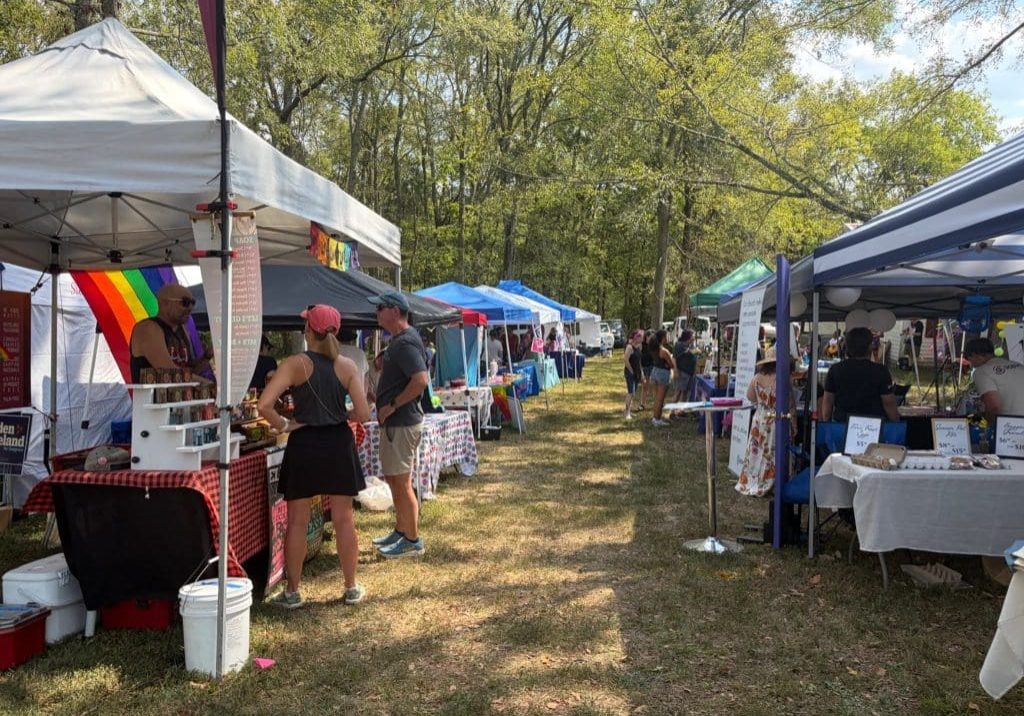
After losing its rural pride celebration, hundreds of people attended the second annual Affirming Sumner Pride celebration on a 24-acre farm dubbed “Fruity Farm” in Bethpage, Sumner County, Tennessee.

Signs of Life
In the Nantahala National Forest, a team of biologists spotted Indiana bats, an endangered species that hasn’t been seen in North Carolina for the last 11 years.

‘First Line of Defense’
During Hurricane Helene and its aftermath, rural fire departments and other first responder hubs played critical roles in keeping their communities safe, even without power and cut off from outside support for days or weeks after the storm. Two years later, plenty of work remains to ensure these hubs have the resources they need to operate day to day and be ready when emergencies or natural disasters strike.

The Rocky Road — and Bridge — to Recovery
Hurricane Helene is estimated to have damaged nearly 7,000 private roads and bridges in Western North Carolina. Two years later, many restoration projects are complete, but the journey hasn’t been easy — and isn’t over for others.
After 20 Years, Letcher County Prison Proposal Is Still Alive, Though Obstacles Remain
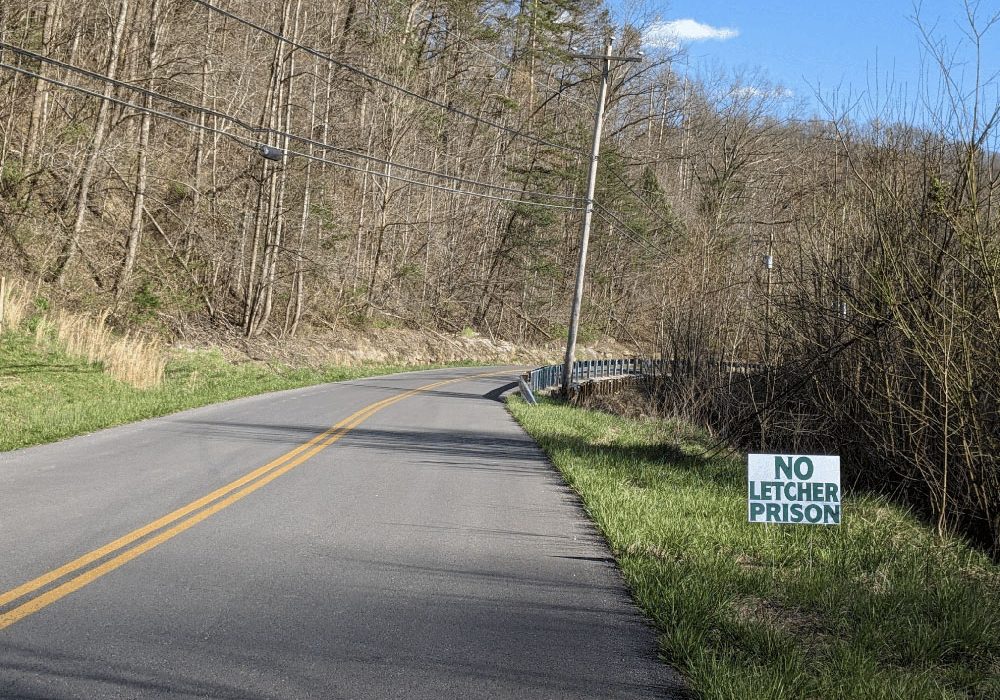
A $605 million proposal for a federal prison on a former strip mine site in Letcher County, Kentucky, championed by U.S. Rep. Hal Rogers, refuses to die, despite local opposition, a lack of support from the executive branch and numerous other obstacles.

Leave a comment
Your email address will not be published. Required fields are marked *
Leave a Comment