

By Dan Radmacher
On April 16, the U.S. Mine Safety and Health Administrations issued its final rule updating silica exposure standards for miners. Silica exposure is a leading cause of a resurgence in black lung disease among miners, especially coal miners.
Silica dust is released when miners cut through sandstone to seams of coal. Remaining coal seams are thinner now that thicker seams have been mined out, requiring miners to go through more layers of rock to get to smaller seams of coal.
The new rule cuts the amount of silica dust a miner can be exposed to during an eight-hour shift by half, from 100 micrograms per cubic meter to 50, granting miners the same silica exposure limit as workers in all other industries.
Miners and their advocates, while pleased with the stricter exposure standard, expressed concerns about enforcement measures in the rule — including the absence of mandatory fines for coal operators who violate exposure limits, the rule’s reliance on industry-conducted inspections and sampling, and allowing coal companies to require miners to work in areas where excessive silica levels are present so long as the company provides respirators, which miners have long criticized as impractical and ineffective.
“Without strong enforcement mechanisms, and without any prohibition against miners being forced to work in excessive dust, I’m not sure that this will actually reduce levels of black lung,” says Willie Dodson, Central Appalachian field coordinator for Appalachian Voices, the publisher of this newspaper.
Related Articles
Latest News
More Stories

Halloween Approaches, and Night School Is in Session
The House of Art in Bluefield, West Virginia, looks like a haunted tower, making it the perfect location for its sixth annual haunt event: Night School. The Night School will be open every Friday and Saturday night through Oct. 31.

‘The Most Perfect Act of Love’
After losing its rural pride celebration, hundreds of people attended the second annual Affirming Sumner Pride celebration on a 24-acre farm dubbed “Fruity Farm” in Bethpage, Sumner County, Tennessee.

Signs of Life
In the Nantahala National Forest, a team of biologists spotted Indiana bats, an endangered species that hasn’t been seen in North Carolina for the last 11 years.

‘First Line of Defense’
During Hurricane Helene and its aftermath, rural fire departments and other first responder hubs played critical roles in keeping their communities safe, even without power and cut off from outside support for days or weeks after the storm. Two years later, plenty of work remains to ensure these hubs have the resources they need to operate day to day and be ready when emergencies or natural disasters strike.

The Rocky Road — and Bridge — to Recovery
Hurricane Helene is estimated to have damaged nearly 7,000 private roads and bridges in Western North Carolina. Two years later, many restoration projects are complete, but the journey hasn’t been easy — and isn’t over for others.
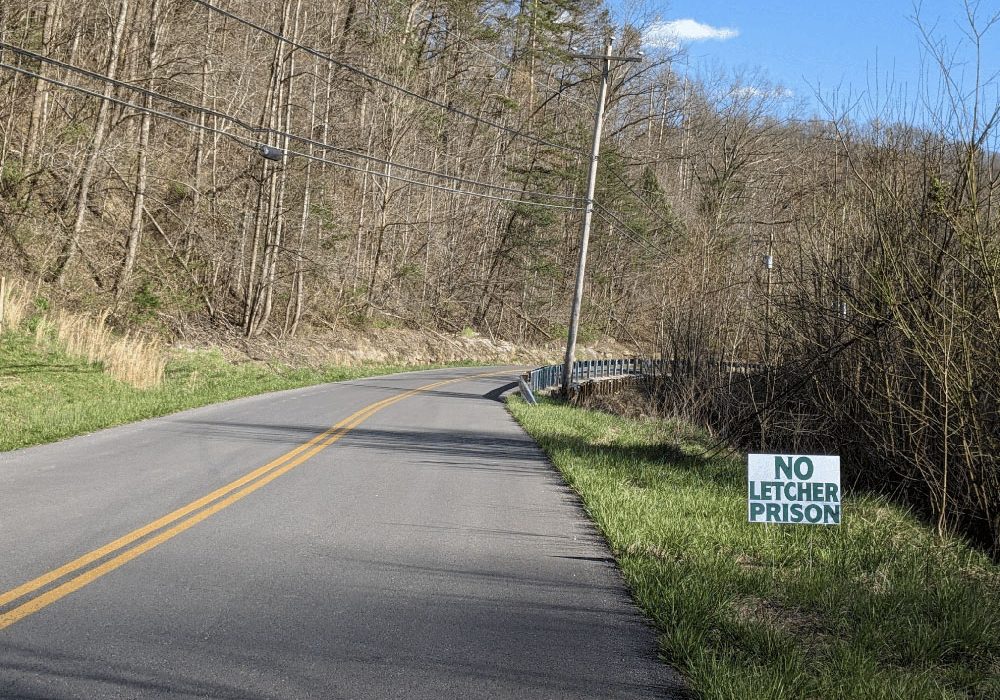
After 20 Years, Letcher County Prison Proposal Is Still Alive, Though Obstacles Remain
A $605 million proposal for a federal prison on a former strip mine site in Letcher County, Kentucky, championed by U.S. Rep. Hal Rogers, refuses to die, despite local opposition, a lack of support from the executive branch and numerous other obstacles.

Leave a comment
Your email address will not be published. Required fields are marked *
Leave a Comment