

As energy companies push for rushed decisions on their proposed natural gas pipeline projects, challenges raised by citizen and environmental groups are gaining momentum.
On Sept. 7, ranking executives from Dominion Energy, Duke Energy and Southern Company Gas — the companies behind the proposed Atlantic Coast Pipeline — urged the Federal Energy Regulatory Commission to approve this pipeline that would stretch from West Virginia across Virginia and into North Carolina “at the earliest possible time.”
This request was made less than two weeks after a federal appeals court ruled that FERC had not adequately considered the impact of burning natural gas on the climate when it approved a southeastern pipeline project that includes the Sabal Trail Pipeline. The federal agency must redo its environmental impact statement, though the pipeline has been carrying gas since June 14, according to InsideClimate News.
It is unclear what, if any, impact this ruling will have on FERC’s approval process in the future.
Appalachian Mountain Advocates, a legal advocacy group, has challenged the Special Use Permit for the Atlantic Coast Pipeline’s proposed compressor station in Buckingham County, Va. The action was based on the county’s zoning laws and filed on behalf of a farmer whose land would be affected.
Meanwhile, North Carolina Gov. Roy Cooper delayed a decision about whether or not to issue water permits for the pipeline until mid-December.
Challenges to the Mountain Valley Pipeline are also moving forward. If approved the project would span 300 miles across West Virginia and Virginia.
On Sept. 7, the West Virginia Department of Environmental Protection withdrew the water permits it had issued to the Mountain Valley Pipeline project in March 2017 in order to “reevaluate” the project’s application.
Pipeline projects need state water permits under the federal Clean Water Act before they can begin construction, but they are not required to have them before FERC decides whether or not to approve a project.
On Sept. 15, commissioners in Fayette County, W.Va., decided to delay a decision about rezoning land for a compressor station for the MVP until the state reissued water quality permits.
FERC could make its decision about the Mountain Valley Pipeline at any time and could issue a permit for the Atlantic Coast Pipeline as early as Oct. 19.
Related Articles
Latest News
More Stories

Halloween Approaches, and Night School Is in Session
The House of Art in Bluefield, West Virginia, looks like a haunted tower, making it the perfect location for its sixth annual haunt event: Night School. The Night School will be open every Friday and Saturday night through Oct. 31.
‘The Most Perfect Act of Love’
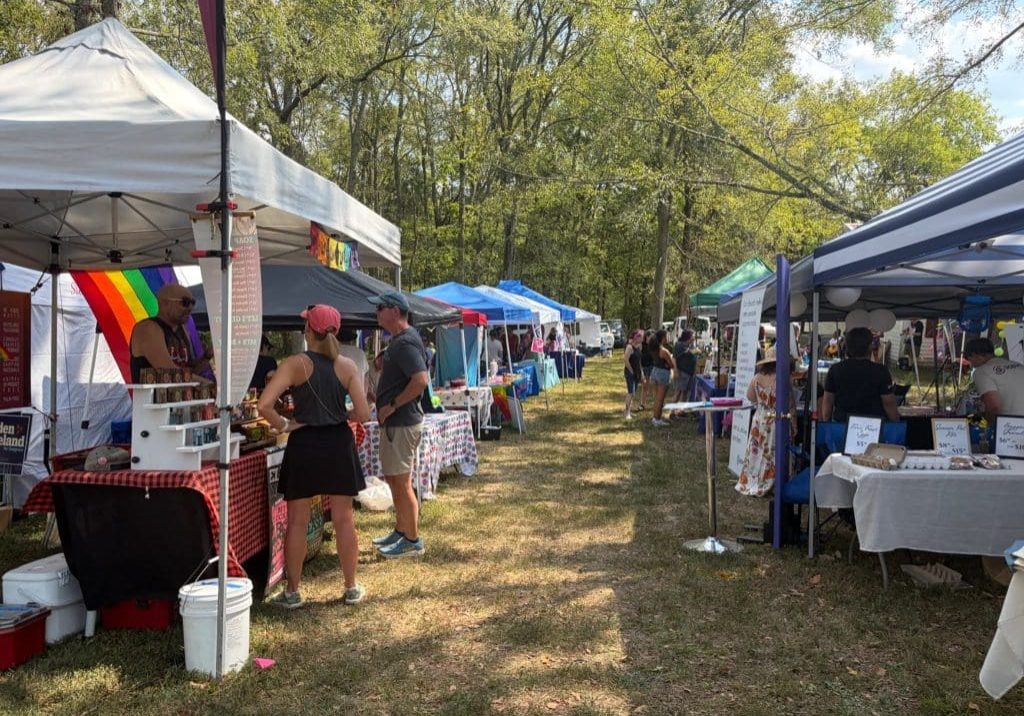
After losing its rural pride celebration, hundreds of people attended the second annual Affirming Sumner Pride celebration on a 24-acre farm dubbed “Fruity Farm” in Bethpage, Sumner County, Tennessee.

Signs of Life
In the Nantahala National Forest, a team of biologists spotted Indiana bats, an endangered species that hasn’t been seen in North Carolina for the last 11 years.
‘First Line of Defense’
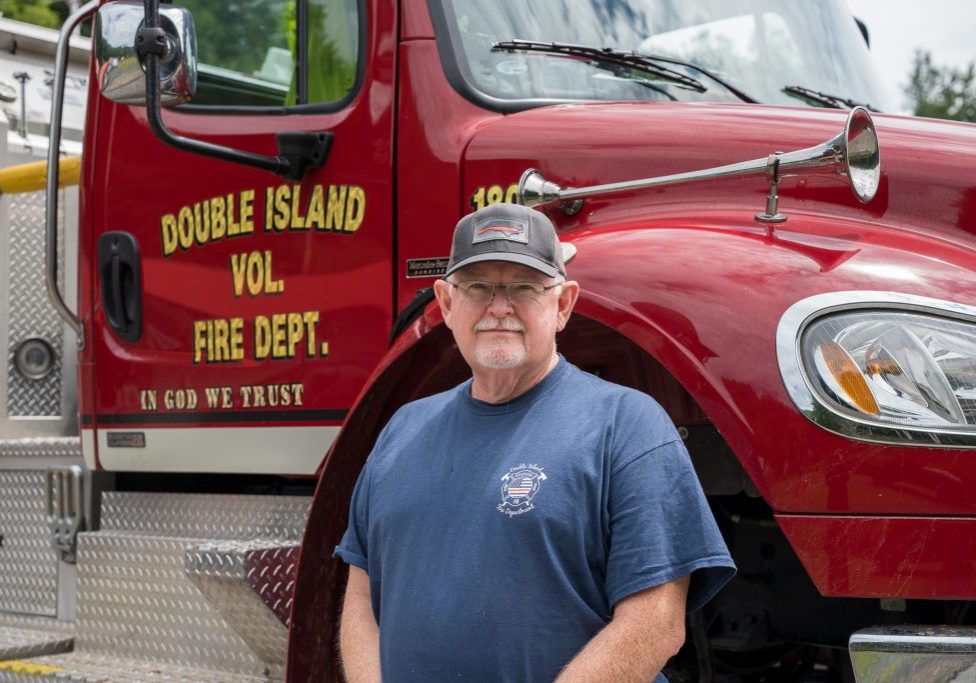
During Hurricane Helene and its aftermath, rural fire departments and other first responder hubs played critical roles in keeping their communities safe, even without power and cut off from outside support for days or weeks after the storm. Two years later, plenty of work remains to ensure these hubs have the resources they need to operate day to day and be ready when emergencies or natural disasters strike.
The Rocky Road — and Bridge — to Recovery
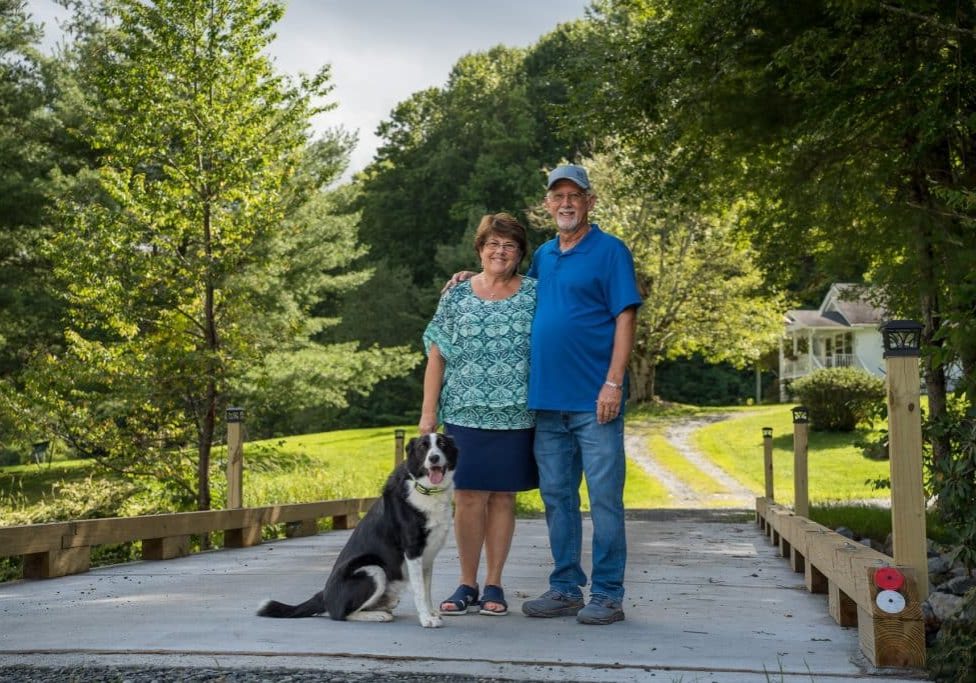
Hurricane Helene is estimated to have damaged nearly 7,000 private roads and bridges in Western North Carolina. Two years later, many restoration projects are complete, but the journey hasn’t been easy — and isn’t over for others.
After 20 Years, Letcher County Prison Proposal Is Still Alive, Though Obstacles Remain
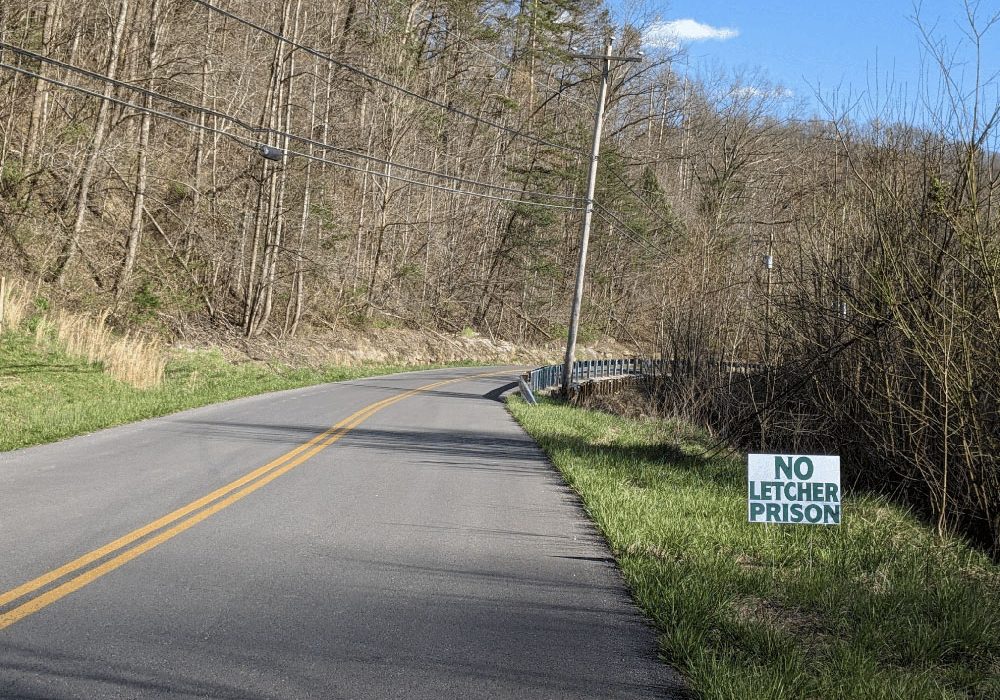
A $605 million proposal for a federal prison on a former strip mine site in Letcher County, Kentucky, championed by U.S. Rep. Hal Rogers, refuses to die, despite local opposition, a lack of support from the executive branch and numerous other obstacles.

Leave a comment
Your email address will not be published. Required fields are marked *
Leave a Comment