

Less than three months after asking for a rate hike for one of its subsidiaries, Duke Energy is now asking that customers of another subsidiary pay more, as well. In a statement issued on Aug. 25, the utility justified the need for the rate hike because of its “work to modernize power plants and generate cleaner electricity, responsibly manage coal ash and improve reliability.”
But the request would also shift onto customers the cost of cleaning up millions of tons of toxic coal ash while continuing to ensure profits for shareholders.
Cleaning up coal ash from the unlined water-filled pits in which it is stored is mandated by both state and federal law, and the cost is projected to exceed $5 billion. According to the Charlotte Observer, the company indicated that cleanup costs accounted for “more than half” of the proposed rate hike.
In June, Duke Energy Progress requested permission from the North Carolina Utilities Commission to increase the rates for its residential customers in its service area in the central and eastern part of the state and in Asheville by 16.7 percent. Non-residential customers would also see an increase. If approved, the increase would go into effect at the start of the new year.
In the request made in late August, Duke Energy Carolinas, a subsidiary serving central and western North Carolina, also asked the commission to approve a 16.7 percent rate hike for its residential customers, with slightly lower increases applying to its non-residential consumers, to go into effect in the spring.
The rate hike also includes the utility’s request for $636 million dollars, to be collected from ratepayers over 12 years, to recover the costs sunk into a nuclear site in South Carolina that it canceled in August before construction began.
Much of the requested increase would be gained by nearly doubling the “fixed cost” the utilities charge for merely connecting to the grid from $11.13 to $19.50, a change that would disproportionately impact low-income residents and discourage investments in energy efficiency.
According to the utility’s filing, the increase is needed because current rates cannot meet operating costs “and also provide its investors with reasonable returns on their investments of needed capital.”
Residents wishing to voice concern about the rate hike can attend one of the public hearings being held across the state through mid-October or send comments directly to the state utility commision. For more information, visit appvoices.org/tell_duke_no_rate_hike/.
Related Articles
Latest News
More Stories

Halloween Approaches, and Night School Is in Session
The House of Art in Bluefield, West Virginia, looks like a haunted tower, making it the perfect location for its sixth annual haunt event: Night School. The Night School will be open every Friday and Saturday night through Oct. 31.
‘The Most Perfect Act of Love’
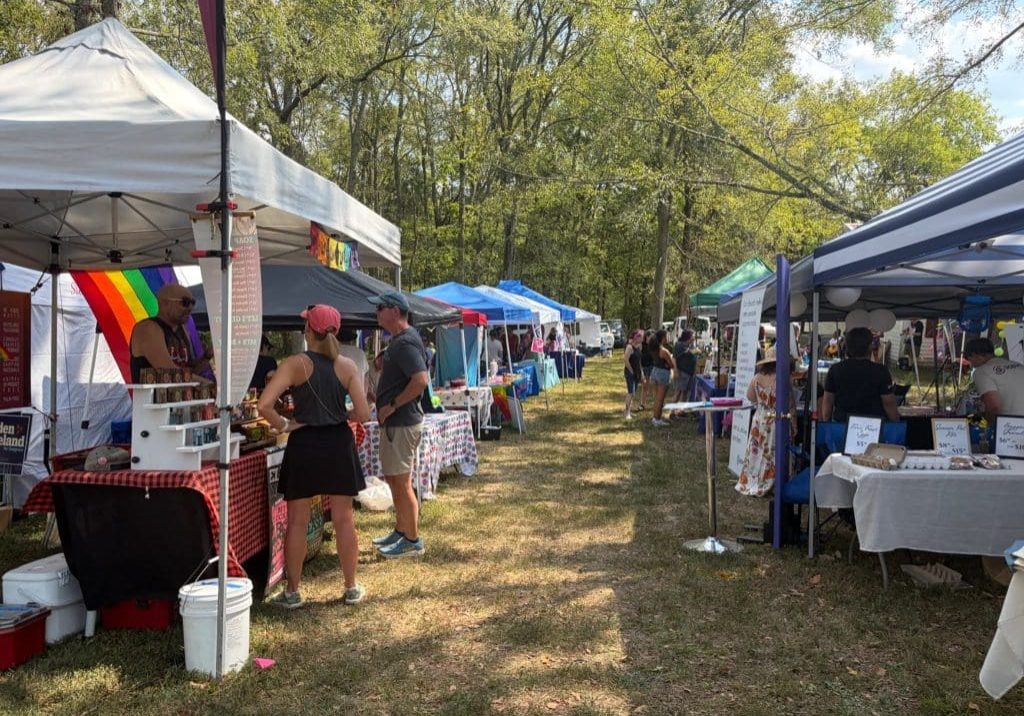
After losing its rural pride celebration, hundreds of people attended the second annual Affirming Sumner Pride celebration on a 24-acre farm dubbed “Fruity Farm” in Bethpage, Sumner County, Tennessee.

Signs of Life
In the Nantahala National Forest, a team of biologists spotted Indiana bats, an endangered species that hasn’t been seen in North Carolina for the last 11 years.
‘First Line of Defense’
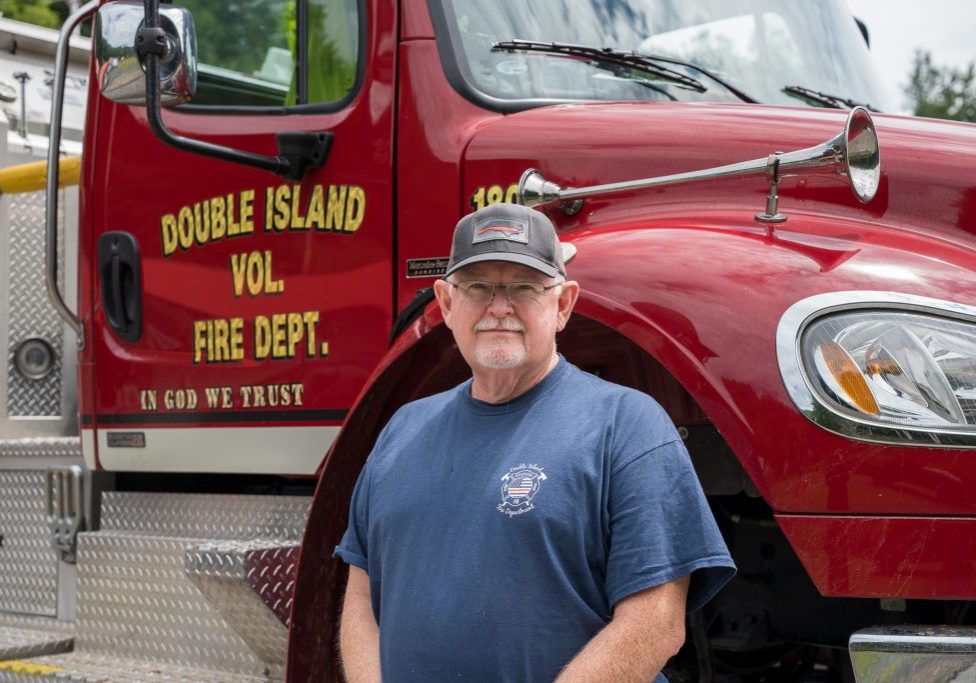
During Hurricane Helene and its aftermath, rural fire departments and other first responder hubs played critical roles in keeping their communities safe, even without power and cut off from outside support for days or weeks after the storm. Two years later, plenty of work remains to ensure these hubs have the resources they need to operate day to day and be ready when emergencies or natural disasters strike.
The Rocky Road — and Bridge — to Recovery
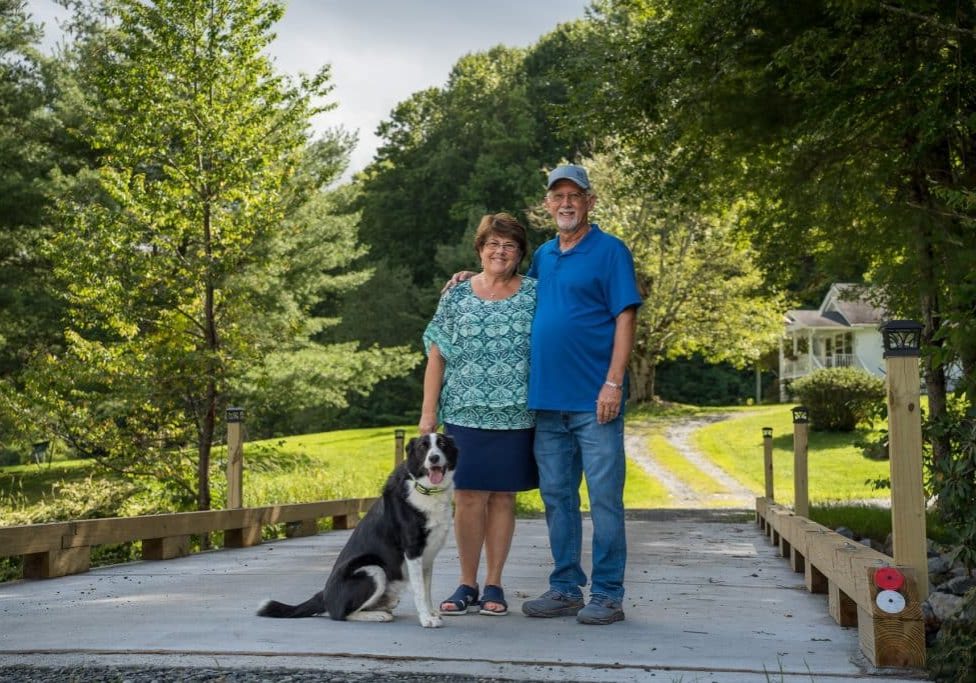
Hurricane Helene is estimated to have damaged nearly 7,000 private roads and bridges in Western North Carolina. Two years later, many restoration projects are complete, but the journey hasn’t been easy — and isn’t over for others.
After 20 Years, Letcher County Prison Proposal Is Still Alive, Though Obstacles Remain
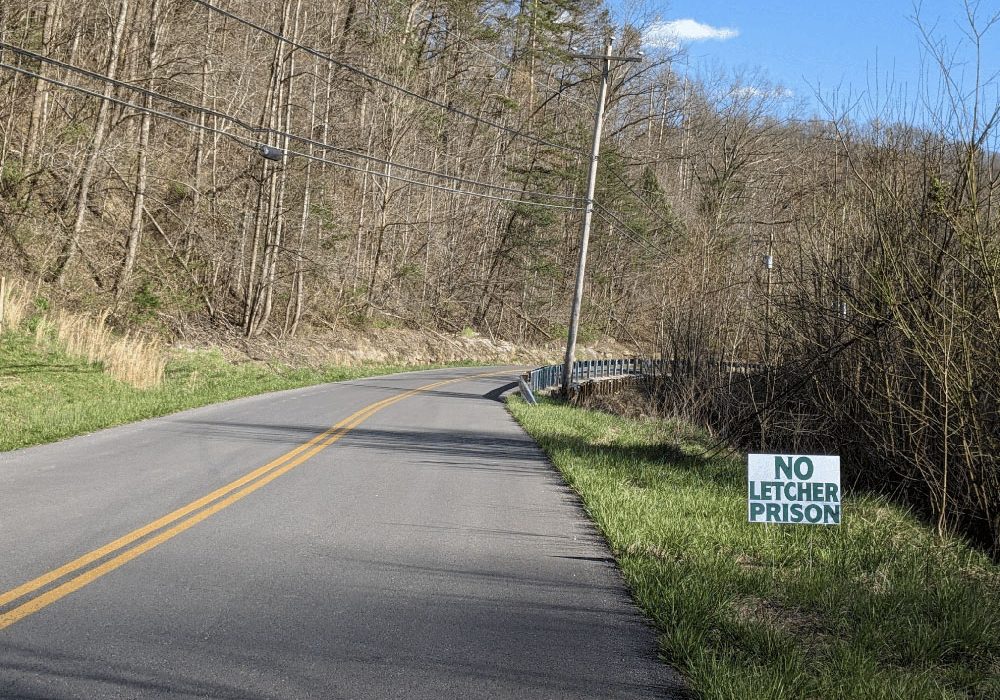
A $605 million proposal for a federal prison on a former strip mine site in Letcher County, Kentucky, championed by U.S. Rep. Hal Rogers, refuses to die, despite local opposition, a lack of support from the executive branch and numerous other obstacles.

Leave a comment
Your email address will not be published. Required fields are marked *
Leave a Comment