

By Rachel Pressley
As of late July, 23 elk roamed new public lands in southern West Virginia. The herd was introduced to the area in December 2016 as part of an effort to rebuild an elk population in the Mountain State.
Native to North America, elk began declining after Europeans arrived. According to the U.S. Fish and Wildlife Service, by 1880 the Eastern elk was extinct. The Rocky Mountain elk and the Manitoban elk are the two subspecies being reintroduced to lands once part of the Eastern elk’s historic range.
During 2015 and 2016, the West Virginia Division of Natural Resources acquired more than 44,000 acres that make up the Wildlife Management Area known as the elk zone. The land was obtained by purchasing and leasing separate tracts of land including 32,000 acres within Wapiti Woods, located in the Allegheny National Forest.
The Conservation Fund, an environmental nonprofit organization that focuses on preservation, along with 19 different organizations and many volunteers, joined in the effort to secure this land, which was once owned by mining, timber and land-holding companies. Some parcels are still awaiting post-mining reclamation.
The groups are all helping with the active elk restoration plan, which, according to the West Virginia Division of Game and Inland Fisheries, is addressing possibilities for elk management in Virginia while taking into consideration the biological, sociological, economic and environmental issues present.
Currently, more than three-fourths of the land is accessible to the public, while the rest is inaccessible until the reclamation bonds are released.
“We hope to establish a healthy, self-sustaining elk herd that we can one day have to offer for hunting opportunities, while at the same time, offering a lot of opportunities for public enjoyment,” says Randy Kelley, the state’s elk project leader.
The West Virginia Division of Natural Resources is managing the elk zone and plans to release more Rocky Mountain elk to the area.
Kelley explained that to be able to eventually bring in more elk, the agency’s Wildlife Resources Section is planning to lease and buy land as it becomes available for two other primary release areas. These sections will be part of the southern portion of the elk zone and will be protected and open to the public for recreational uses.
Related Articles
Latest News
More Stories

Signs of Life
In the Nantahala National Forest, a team of biologists spotted Indiana bats, an endangered species that hasn’t been seen in North Carolina for the last 11 years.

‘First Line of Defense’
During Hurricane Helene and its aftermath, rural fire departments and other first responder hubs played critical roles in keeping their communities safe, even without power and cut off from outside support for days or weeks after the storm. Two years later, plenty of work remains to ensure these hubs have the resources they need to operate day to day and be ready when emergencies or natural disasters strike.

The Rocky Road — and Bridge — to Recovery
Hurricane Helene is estimated to have damaged nearly 7,000 private roads and bridges in Western North Carolina. Two years later, many restoration projects are complete, but the journey hasn’t been easy — and isn’t over for others.
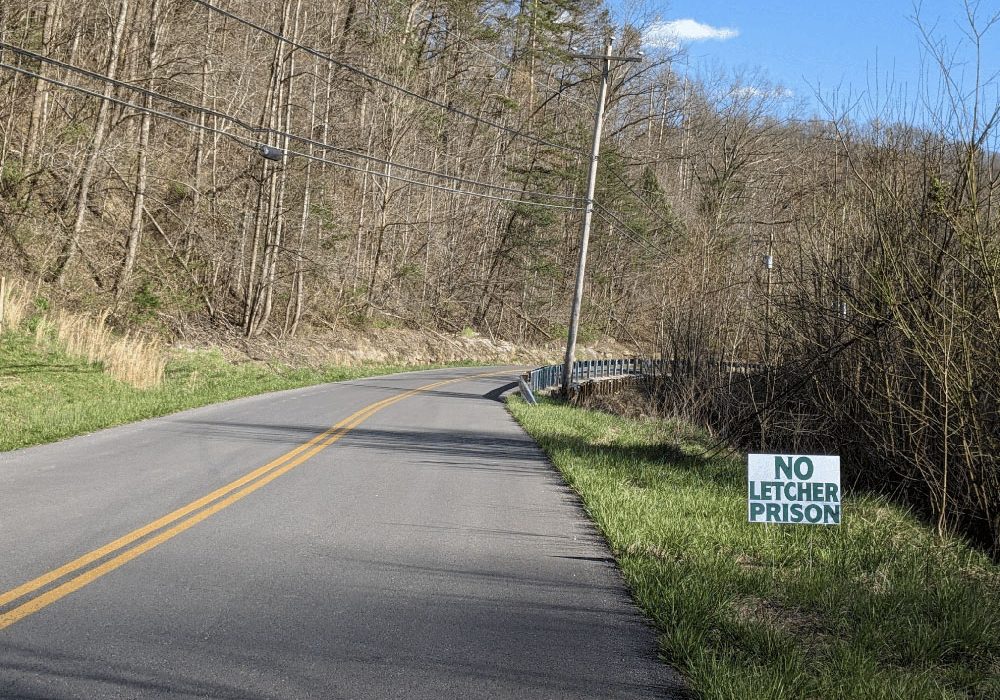
After 20 Years, Letcher County Prison Proposal Is Still Alive, Though Obstacles Remain
A $605 million proposal for a federal prison on a former strip mine site in Letcher County, Kentucky, championed by U.S. Rep. Hal Rogers, refuses to die, despite local opposition, a lack of support from the executive branch and numerous other obstacles.
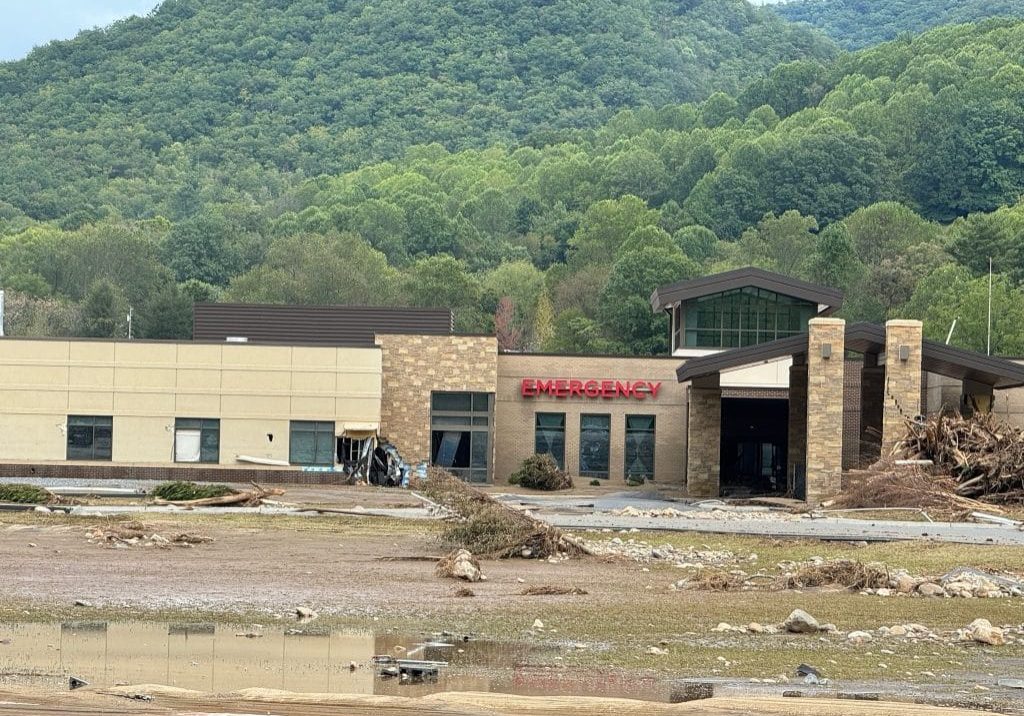
The Washout and Rebuild
For nearly two years, residents of Unicoi County, Tennessee, have had to make do without a hospital after Hurricane Helene destroyed the rural hospital. Ballad Health, which owns the hospital, broke ground on a new location — in another floodplain — in August 2026.

The Shenandoah Salamander
The Shenandoah salamander is a woodland salamander, which has adapted to life at higher elevations away from water. This sparkling rarity lives among the dry leaves, cracked logs, and stony hillocks on the highest peaks of Shenandoah National Park.

Leave a comment
Your email address will not be published. Required fields are marked *
Leave a Comment