

Impacted Residents in NC and VA Protest Duke, Dominion Shareholder Meetings
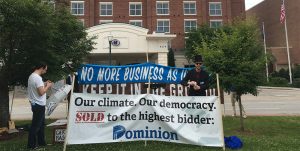
Photo courtesy of Chesapeake Climate Action Network
This spring, Appalachian Voices and our partners attended the Duke Energy and Dominion Resources shareholder meetings to remind them to protect ratepayers and our planet. It’s no secret that these big utilities don’t have a strong track record on clean energy. Duke is working with the state of North Carolina to circumvent citizen demands that it quickly and thoroughly clean up coal ash contamination, and the utility is blocking third-party solar (see page 22). And both Dominion and Duke would rather invest in risky natural gas pipelines that accelerate fracking in central and northern Appalachia than invest those resources in affordable clean energy options like solar and energy efficiency.
During their May 5 annual meeting, Duke Energy shareholders, CEO Lynn Good and the company’s board of directors were confronted by residents affected by the coal ash in their neighborhoods. Joined by a slew of climate and solar advocates, they asked tough questions during the meeting’s Q&A section. Sarah Kellogg, our departing North Carolina Field Coordinator, pointed out numerous inaccuracies in what Good said throughout the meeting. Good’s response: “I can see we have a lot of work to do to rebuild trust.”
Citizens from across the Southeast converged outside Dominion Resources’ annual shareholder meeting in Columbia, S.C., on May 11, urging the company to abandon its agenda for decades of more dirty energy investments and instead lead the region’s transition to renewable energy. Hannah Wiegard, our Virginia Campaign Coordinator, and concerned Dominion Virginia customers were among those protesting the meeting.
Related Articles
Latest News
More Stories

Halloween Approaches, and Night School Is in Session
The House of Art in Bluefield, West Virginia, looks like a haunted tower, making it the perfect location for its sixth annual haunt event: Night School. The Night School will be open every Friday and Saturday night through Oct. 31.
‘The Most Perfect Act of Love’
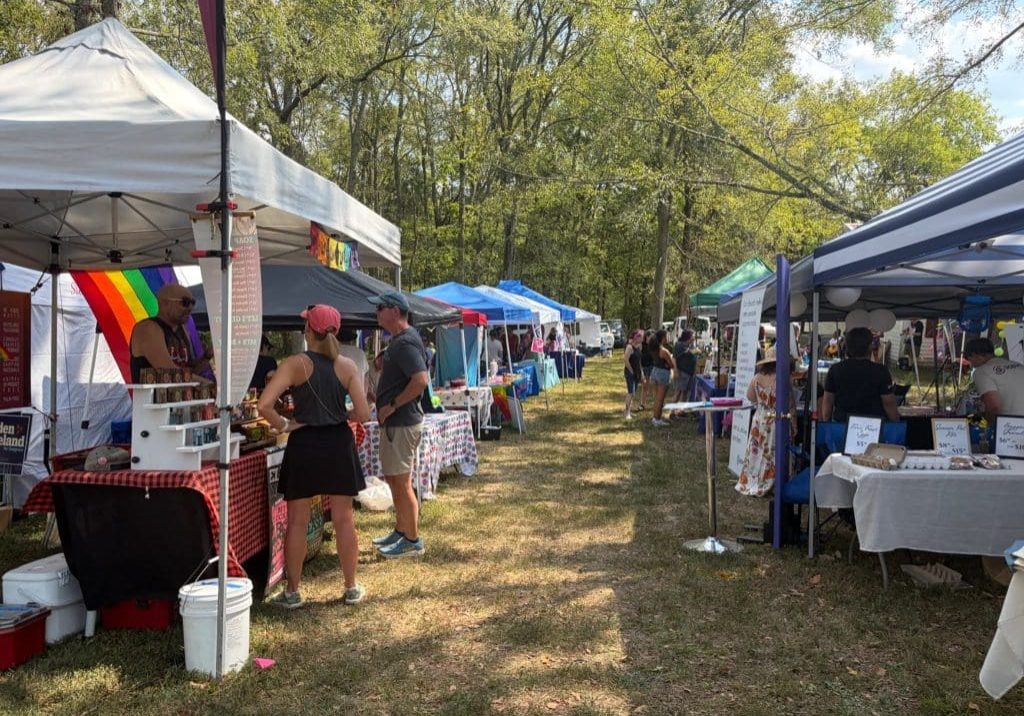
After losing its rural pride celebration, hundreds of people attended the second annual Affirming Sumner Pride celebration on a 24-acre farm dubbed “Fruity Farm” in Bethpage, Sumner County, Tennessee.

Signs of Life
In the Nantahala National Forest, a team of biologists spotted Indiana bats, an endangered species that hasn’t been seen in North Carolina for the last 11 years.

‘First Line of Defense’
During Hurricane Helene and its aftermath, rural fire departments and other first responder hubs played critical roles in keeping their communities safe, even without power and cut off from outside support for days or weeks after the storm. Two years later, plenty of work remains to ensure these hubs have the resources they need to operate day to day and be ready when emergencies or natural disasters strike.

The Rocky Road — and Bridge — to Recovery
Hurricane Helene is estimated to have damaged nearly 7,000 private roads and bridges in Western North Carolina. Two years later, many restoration projects are complete, but the journey hasn’t been easy — and isn’t over for others.
After 20 Years, Letcher County Prison Proposal Is Still Alive, Though Obstacles Remain
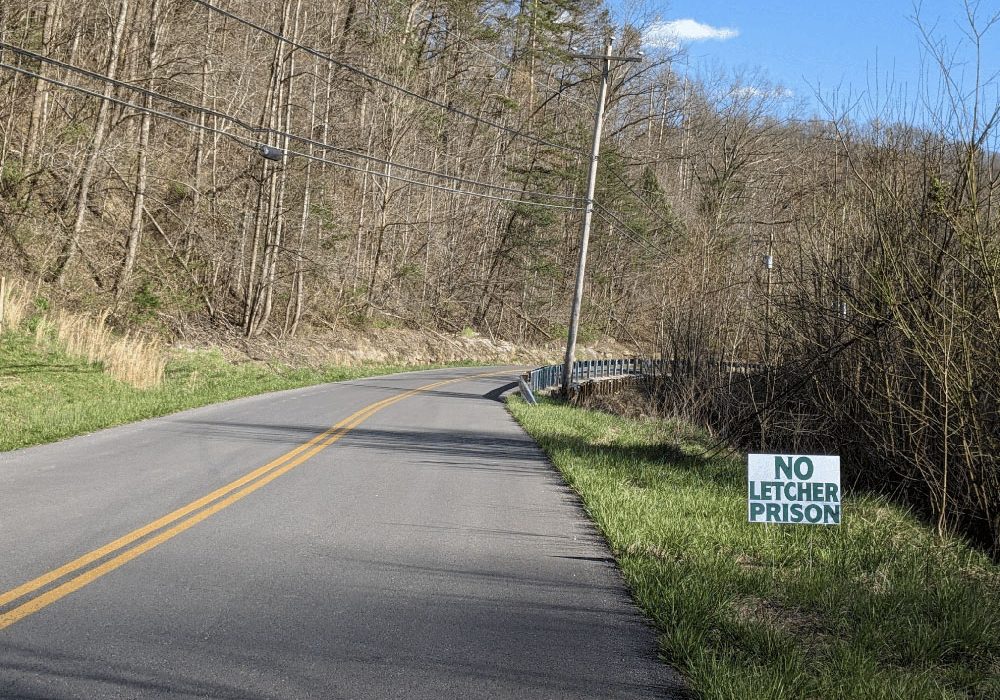
A $605 million proposal for a federal prison on a former strip mine site in Letcher County, Kentucky, championed by U.S. Rep. Hal Rogers, refuses to die, despite local opposition, a lack of support from the executive branch and numerous other obstacles.

Leave a comment
Your email address will not be published. Required fields are marked *
Leave a Comment