

Surface Mine Proposal Puts Nearby Community and Endangered Bats At Risk
By Tarence Ray
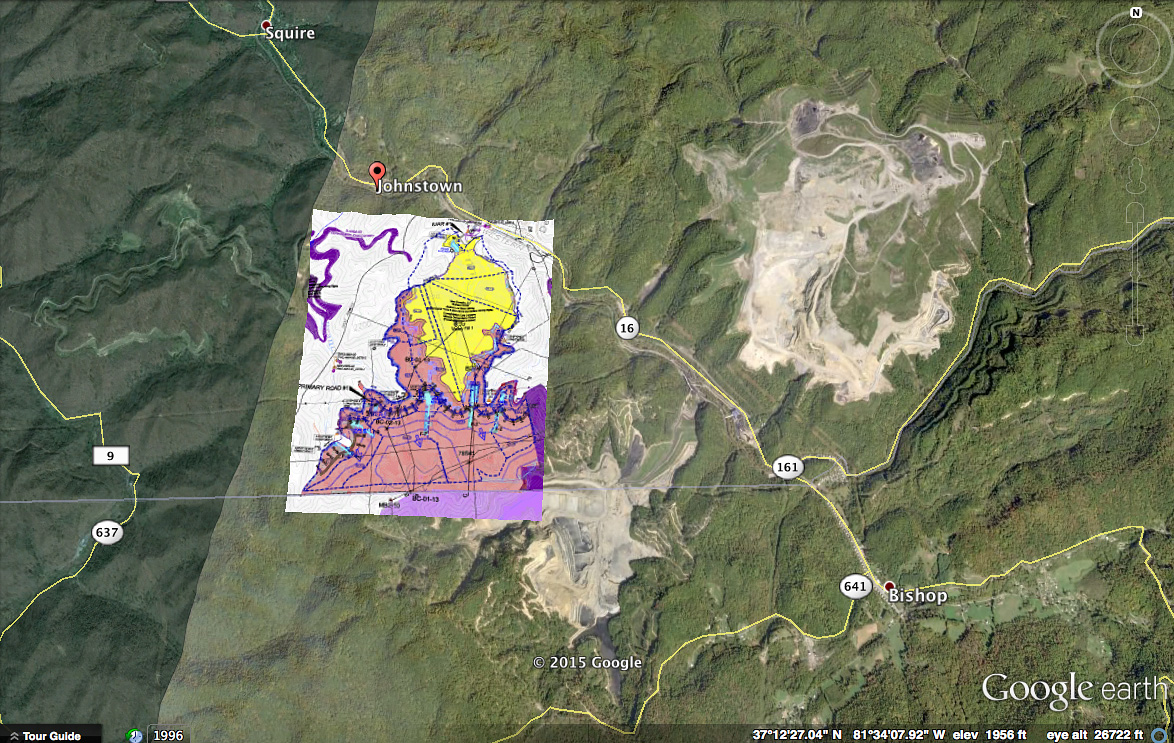
Cropped version of applicant permit map for the Big Creek Surface Mine. Yellow and pink portions represent proposed mining area, and extent of mining pictured dates to late 2014. Image by Appalachian Voices
In September a coalition of environmental groups announced that it will sue the Office of Surface Mining Reclamation and Enforcement and U.S. Fish and Wildlife for failing to protect a threatened bat species on two mountaintop removal coal mines in West Virginia.
One of these sites, the proposed Jim Justice-owned Big Creek Mine in McDowell County, will sit directly above a church and upstream from an early childhood education center near the community of Bishop.
According to a press release from the Center for Biological Diversity, “[The mine] will also destroy more than five miles of streams, threatening another species that has been proposed for protection, the Big Sandy crayfish.”
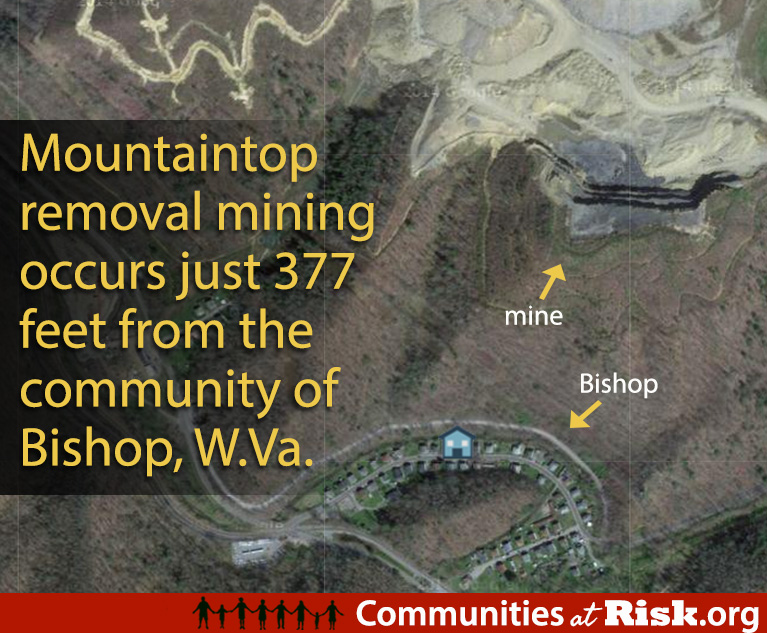
The proposed mine will be in addition to two currently existing surface mines within a one-mile radius of Bishop. In April of this year, Appalachian Voices published a study of 50 communities in central Appalachia that are similarly “at risk” of the worst impacts of mountaintop removal coal mining. These impacts include, but are not limited to, increased blasting, negative health, wealth and population trends, and diminished water quality. Bishop is No. 2 on this list of “Communities at Risk.”
Advocates of the Obama administration’s recently proposed Stream Protection Rule say strong federal guidelines could go a long way in reducing many of these impacts, but, as some point out, it still allows for streams to be filled with overburden from mountaintops that have been removed in order to access coal seams.
To view maps and information about other communities at risk from the health and environmental impacts of mountaintop removal, visit: ilovemountains.org/communities-at-risk
CORRECTION: An earlier version of this article mistakenly identified the northern long-eared bat as endangered. It is listed as threatened under the Endangered Species Act.
Related Articles
Latest News
More Stories
Neighbors Help Neighbors
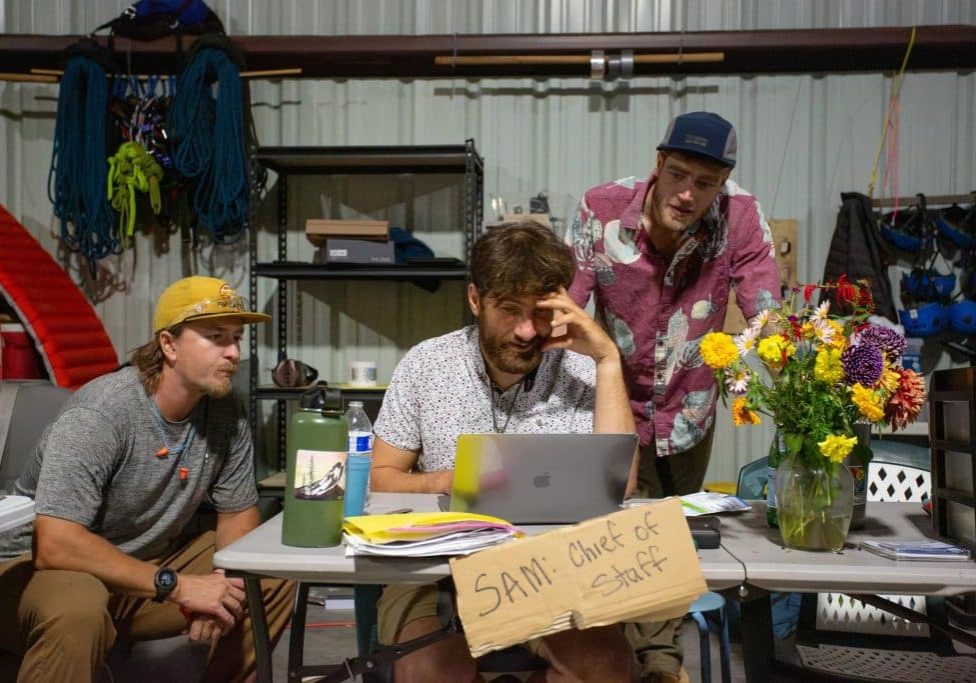
A photo essay that celebrates the volunteer spirit of the grassroots group Hurricane Helene WNC and speaks to the resourcefulness, collaboration and hard work embodied by thousands and thousands of volunteers, first responders and aid workers across the region after Hurricane Helene.

Halloween Approaches, and Night School Is in Session
The House of Art in Bluefield, West Virginia, looks like a haunted tower, making it the perfect location for its sixth annual haunt event: Night School. The Night School will be open every Friday and Saturday night through Oct. 31.
‘The Most Perfect Act of Love’
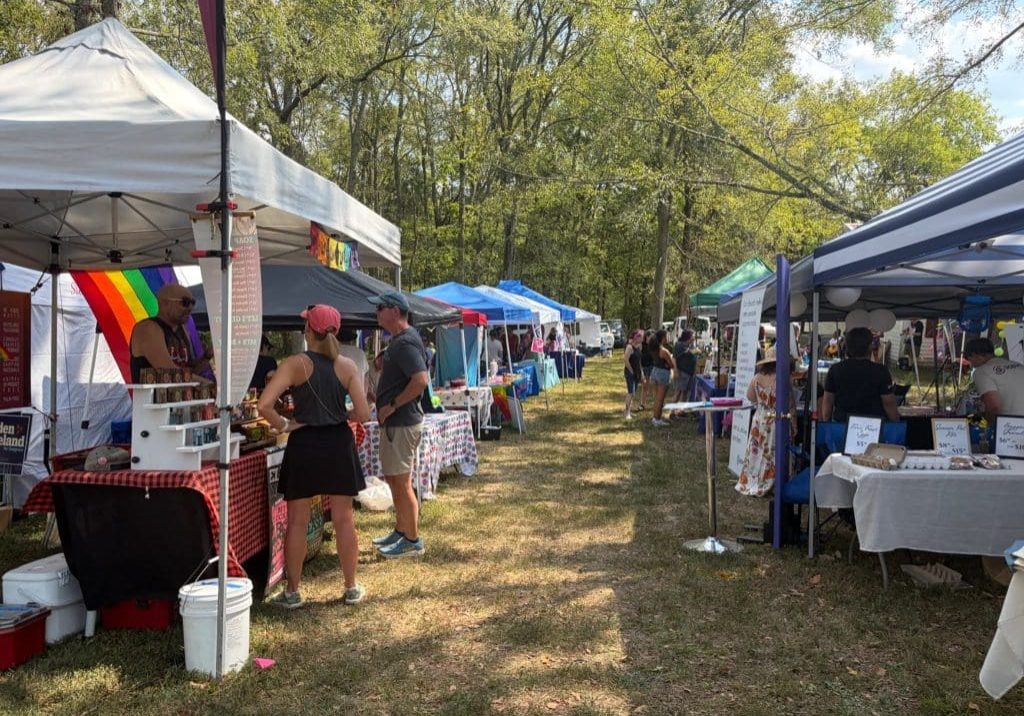
Hundreds of people attended the second annual Affirming Sumner Pride celebration on a 24-acre farm dubbed “Fruity Farm” in Bethpage, Sumner County, Tennessee.
Signs of Life: Endangered Bats Found in Nantahala for First Time in More Than a Decade
In the Nantahala National Forest, a team of biologists spotted Indiana bats, an endangered species that hasn’t been seen in North Carolina for the last 11 years.

‘First Line of Defense’
During Hurricane Helene and its aftermath, rural fire departments and other first responder hubs played critical roles in keeping their communities safe, even without power and cut off from outside support for days or weeks after the storm. Two years later, plenty of work remains to ensure these hubs have the resources they need to operate day to day and be ready when emergencies or natural disasters strike.

The Rocky Road — and Bridge — to Recovery
Hurricane Helene is estimated to have damaged nearly 7,000 private roads and bridges in Western North Carolina. Two years later, many restoration projects are complete, but the journey hasn’t been easy — and isn’t over for others.

Leave a comment
Your email address will not be published. Required fields are marked *
Leave a Comment