

By Brian Sewell
Data reported by the U.S. Energy Information Administration in July shows a steep decline in coal produced by mountaintop removal mining in three central Appalachian states.
According to the agency, production from mountaintop removal mines in Kentucky, West Virginia and Virginia fell 62 percent between 2008 and 2014, while surface coal mining production nationwide decreased by 21 percent over the same period.
Analysts say this recent data reinforces national trends depressing demand for coal and expanding the roles of natural gas and renewable energy. But environmental groups caution that the figures may be misleading and raise questions about what constitutes “mountaintop removal.”
“The amount of coal being mined doesn’t convey the extent of surface mining’s environmental or human health impacts,” Appalachian Voices Legislative Associate Thom Kay says. “Mine location, blasting extent, and water quality problems are much more important indicators of the damage done to communities.”
Several factors make singling out mountaintop removal production difficult. The EIA pointed out in its report that a variety of other surface mining techniques can be performed on sites where mountaintop removal is also used. Also, mines that Appalachian residents and environmental groups refer to as mountaintop removal are sometimes not considered as such under the Surface Mine Control and Reclamation Act.
Mines that span the “upper fraction of a mountain” or cross a ridgeline and are exempt from returning the land to its “approximate original contour” are generally considered by state and federal regulators to be mountaintop removal operations. But other surface mines that clearcut forests, blast away ridgelines and dump waste into adjacent valleys are not.
In recent years, this nuance has allowed Appalachian coal companies to dispute their reputation for using mountaintop removal. Alpha Natural Resources, for example, has active surface mines in West Virginia and Virginia, and is currently seeking a permit for an 847-acre surface mine in West Virginia’s Coal River Valley. But the company claims it has not used mountaintop removal since the end of 2013 and has no plans to this year.
Related Articles
Latest News
More Stories

Halloween Approaches, and Night School Is in Session
The House of Art in Bluefield, West Virginia, looks like a haunted tower, making it the perfect location for its sixth annual haunt event: Night School. The Night School will be open every Friday and Saturday night through Oct. 31.
‘The Most Perfect Act of Love’
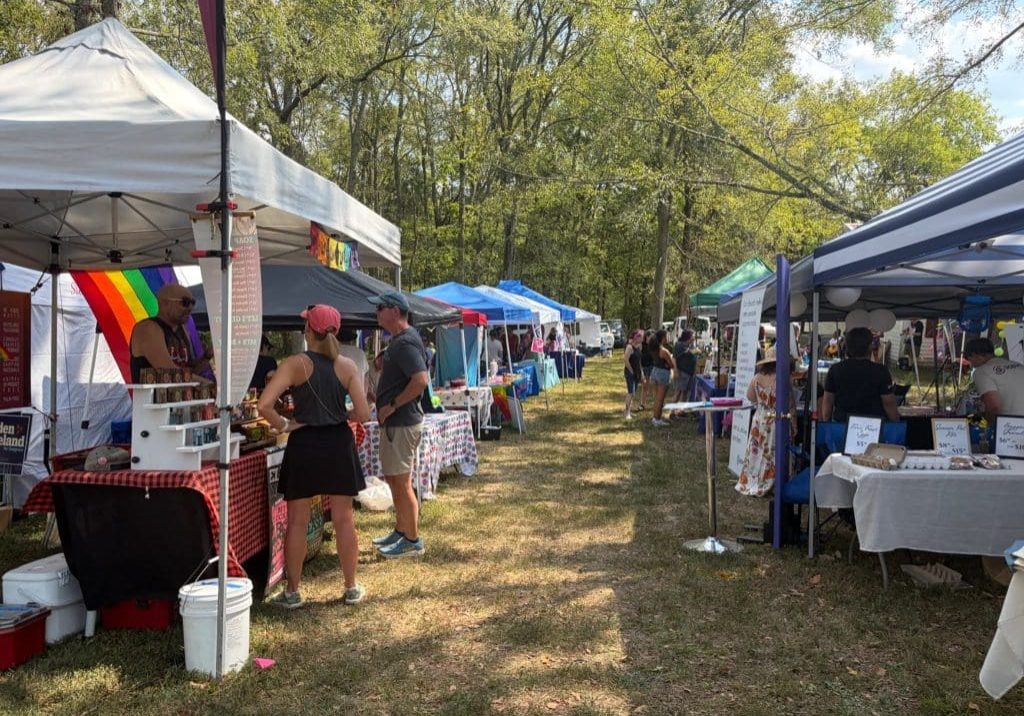
After losing its rural pride celebration, hundreds of people attended the second annual Affirming Sumner Pride celebration on a 24-acre farm dubbed “Fruity Farm” in Bethpage, Sumner County, Tennessee.

Signs of Life
In the Nantahala National Forest, a team of biologists spotted Indiana bats, an endangered species that hasn’t been seen in North Carolina for the last 11 years.
‘First Line of Defense’
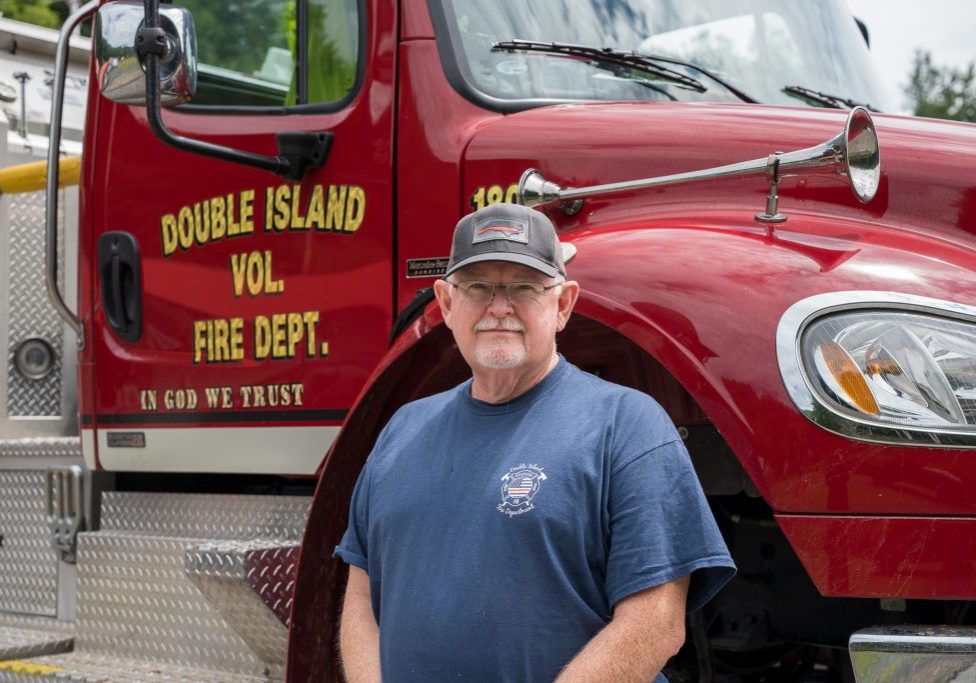
During Hurricane Helene and its aftermath, rural fire departments and other first responder hubs played critical roles in keeping their communities safe, even without power and cut off from outside support for days or weeks after the storm. Two years later, plenty of work remains to ensure these hubs have the resources they need to operate day to day and be ready when emergencies or natural disasters strike.
The Rocky Road — and Bridge — to Recovery
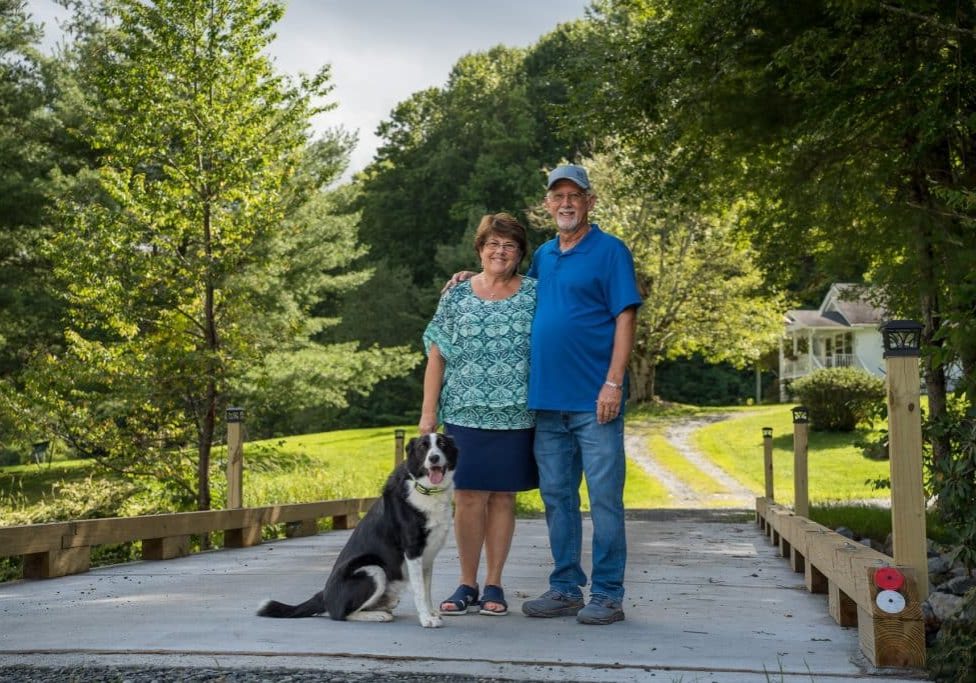
Hurricane Helene is estimated to have damaged nearly 7,000 private roads and bridges in Western North Carolina. Two years later, many restoration projects are complete, but the journey hasn’t been easy — and isn’t over for others.
After 20 Years, Letcher County Prison Proposal Is Still Alive, Though Obstacles Remain
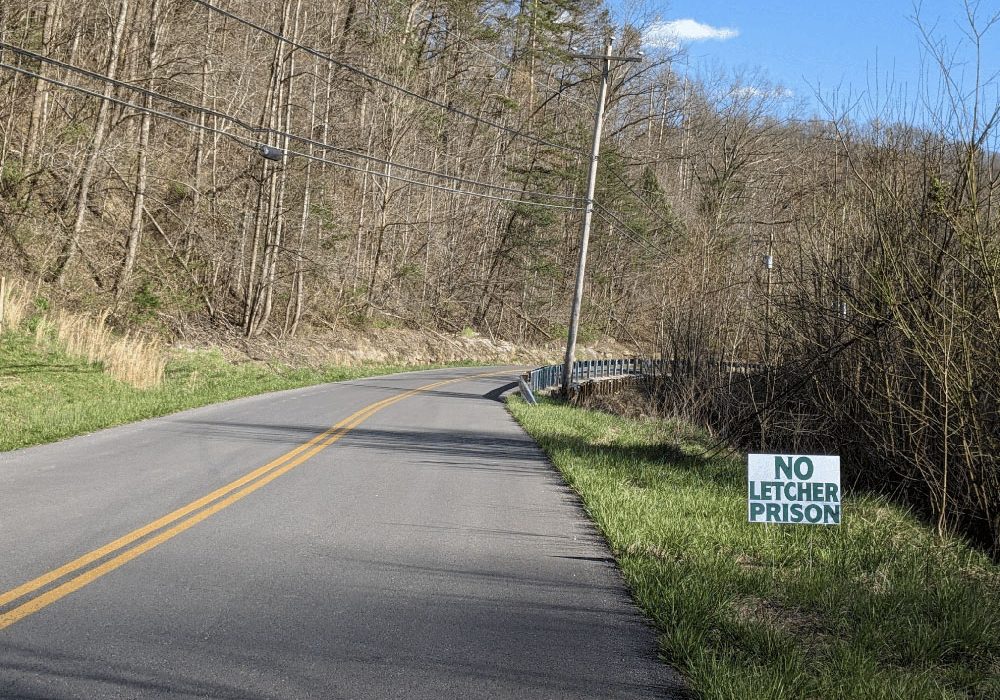
A $605 million proposal for a federal prison on a former strip mine site in Letcher County, Kentucky, championed by U.S. Rep. Hal Rogers, refuses to die, despite local opposition, a lack of support from the executive branch and numerous other obstacles.

Leave a comment
Your email address will not be published. Required fields are marked *
Leave a Comment