

By Dac Collins
Many smartphone applications tend to isolate users, since staring at a screen automatically distracts them from their natural surroundings. However, there are some apps that may actually help to bring users closer to nature.
Visitors to state parks in Kentucky, North Carolina, Tennessee and Virginia may find Pocket Ranger a handy reference tool. The smartphone app features interpretive information for each park, as well as advanced GPS capabilities that allow users without mobile reception to access stored maps of trails, campgrounds and park facilities.
Invasive Plants in Southern Forests is a field guide for invasive plant species. Hikers can use this application to identify and learn about the 56 non-native plant species currently found in forests throughout 13 southern states.
Pollution is an app that sources from public databases to reveal information on air, water, ground and electromagnetic pollution in a given area, including the amount, source and type of pollutants.
There are also a number of online tools that promote conservation and outdoor recreation. Birders in Tennessee will appreciate the user-friendly website Tennessee Birding Trails (tnbirdingtrail.org), developed by the Tennessee Wildlife Resources Agency. Four different search options — region, species, group and season — allow birders to find a good area to spot bald eagles in East Tennessee, or to pinpoint the best places to see migrating sandhill cranes.
How’s My Waterway (watersgeo.epa.gov/mywaterway) is a U.S. Environmental Protection Agency web tool that helps users learn about the condition of their local streams. The “Use My Location” feature lists nearby streams and shows if and when the water quality was assessed. Users can also access the technical reports that detail why a certain waterway is listed as impaired or polluted.
For a comprehensive list of environmental smartphone and internet applications, visit: epa.gov/mygreenapps.
Related Articles
Latest News
More Stories

Signs of Life
In the Nantahala National Forest, a team of biologists spotted Indiana bats, an endangered species that hasn’t been seen in North Carolina for the last 11 years.

‘First Line of Defense’
During Hurricane Helene and its aftermath, rural fire departments and other first responder hubs played critical roles in keeping their communities safe, even without power and cut off from outside support for days or weeks after the storm. Two years later, plenty of work remains to ensure these hubs have the resources they need to operate day to day and be ready when emergencies or natural disasters strike.

The Rocky Road — and Bridge — to Recovery
Hurricane Helene is estimated to have damaged nearly 7,000 private roads and bridges in Western North Carolina. Two years later, many restoration projects are complete, but the journey hasn’t been easy — and isn’t over for others.
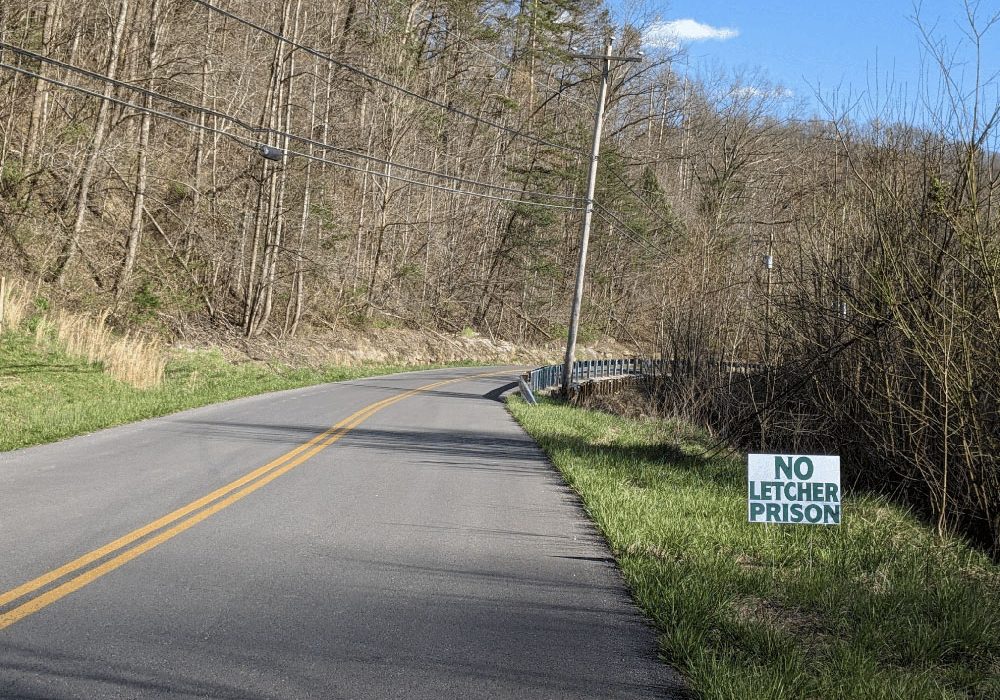
After 20 Years, Letcher County Prison Proposal Is Still Alive, Though Obstacles Remain
A $605 million proposal for a federal prison on a former strip mine site in Letcher County, Kentucky, championed by U.S. Rep. Hal Rogers, refuses to die, despite local opposition, a lack of support from the executive branch and numerous other obstacles.
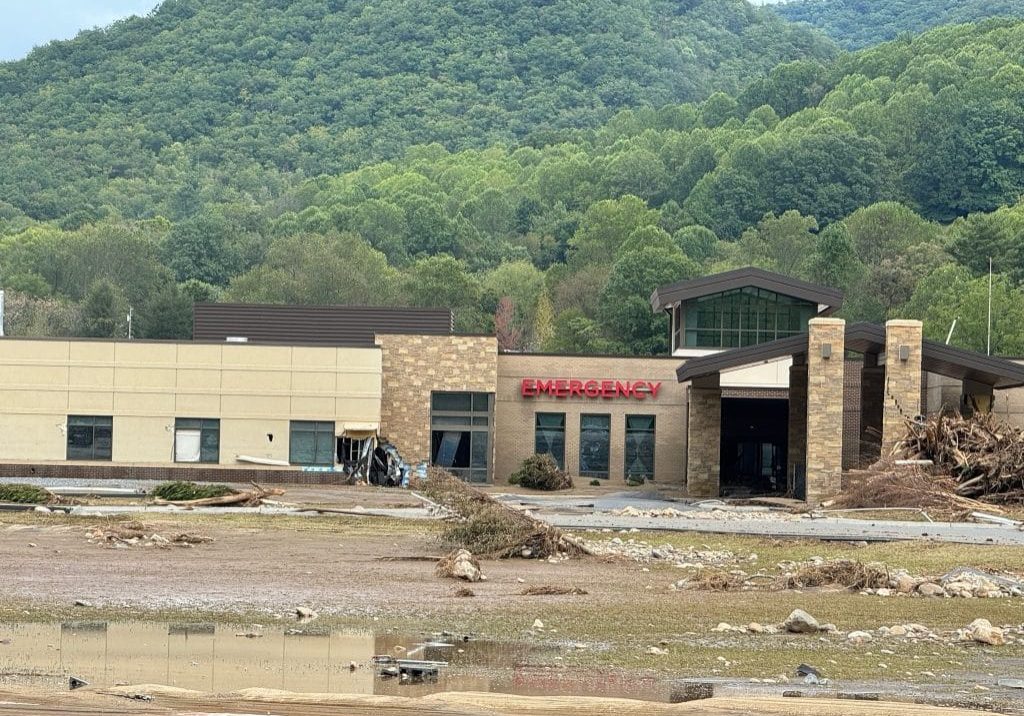
The Washout and Rebuild
For nearly two years, residents of Unicoi County, Tennessee, have had to make do without a hospital after Hurricane Helene destroyed the rural hospital. Ballad Health, which owns the hospital, broke ground on a new location — in another floodplain — in August 2026.
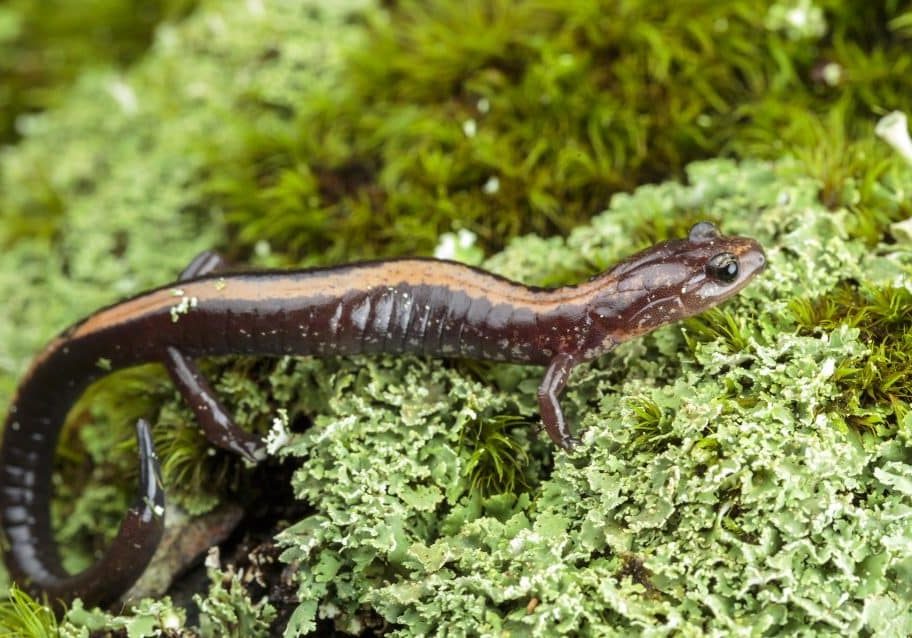
The Shenandoah Salamander
The Shenandoah salamander is a woodland salamander, which has adapted to life at higher elevations away from water. This sparkling rarity lives among the dry leaves, cracked logs, and stony hillocks on the highest peaks of Shenandoah National Park.

Leave a comment
Your email address will not be published. Required fields are marked *
Leave a Comment