

Driving on Sunshine
Appalachia’s Solar Electric Vehicle Charging Company
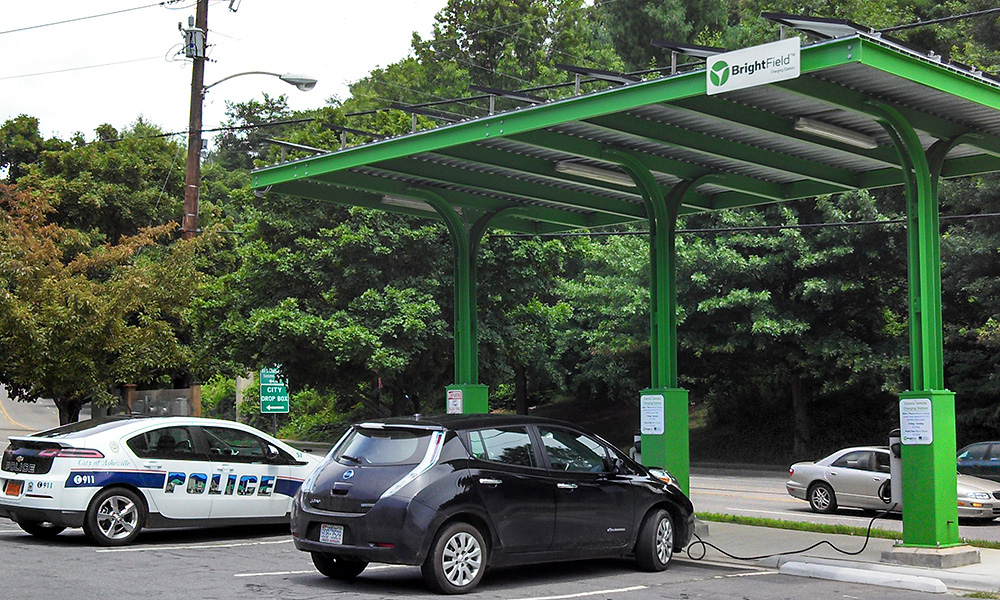
Brightfield charging station in Asheville, N.C.
Brightfield Transportation Solutions, an Asheville, N.C.-based company, has harnessed the world’s largest and longest transportation fuel pipeline. This nearly 93-million-mile wireless pipeline wasn’t constructed by a large corporation, isn’t causing a political fist fight, never leaks toxic substances and powers every living thing in Appalachia. Now thanks to Brightfield TS — with a lot of help from nature — the sun can power your electric automobile too.
Through its partnerships with automakers, electric vehicle support equipment manufacturers and policy groups, Brightfield TS is deploying solar electric vehicle charging stations across the Southeast, including North Carolina destinations such as Boone, Waynesville and Salisbury. Brightfield TS is now expanding its network of sun-powered fueling stations into Tennessee. To explore the benefits of driving electric vehicles on 200-proof Appalachian sunshine, visit BrightfieldTS.com/Solar-Driven-Calculator
— By Jeff Deal
Light Speed
Racing on the Sun
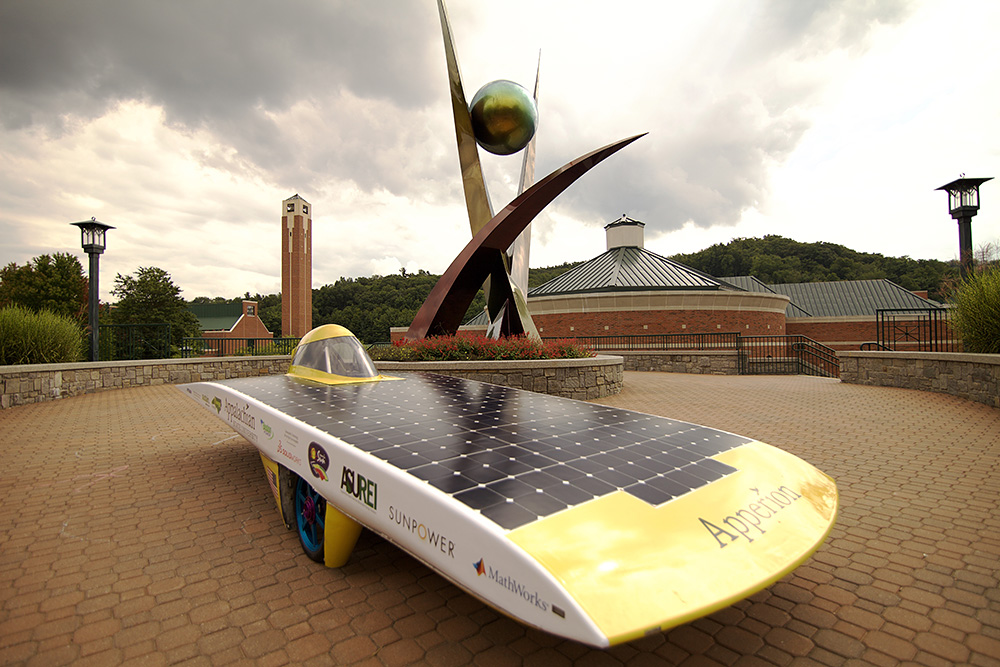
The Apperion solar-powered race car, photo courtesy of Appalachian State University.
Students and faculty on the Solar Vehicle Team at Appalachian State University in Boone, N.C., have finished their construction of “Apperion,” a solar-powered racing vehicle.
The team has set their sights on the Formula Sun Grand Prix in July 2016. The race is a qualifying competition for the American Solar Challenge, a 1,200 to 1,800-mile race across North America. In October 2017 the team hopes to go to the World Solar Challenge in Australia to compete in the “cruiser class” race alongside cars designed for speeds up to 90 miles per hour.
The team is led by two faculty advisers working with 18 university undergraduate students from a diverse collection of disciplines. While winning races may be a goal for the solar vehicle team, their ultimate aspiration is to inspire people to live more sustainably and raise awareness of the impacts that individuals can make.
Learn more at appstatesvt.com
— By W. Spencer King
Electric Batteries in Motion
Reducing one’s carbon footprint is no easy feat, but the collective movement toward less environmentally harmful modes of transportation is growing, and growing with it is interest in creating more efficient electric car batteries.
The Kentucky-Argonne battery manufacturing center in Lexington, Ky., received a $120,000 grant from Ford in February 2014 for research and development on improved electric vehicle battery technology such as shorter production times, increased range and performance quality.
Researchers at North Carolina State University are developing technology to better estimate the amount of battery power a trip will use by analyzing the planned route a driver will take using GPS, and factoring in weather conditions and traffic patterns.
New technologies are also being developed to make recharging a battery more akin to refilling a conventional vehicle’s gas tank. A research team at the Illinois Institute of Technology is designing a battery that can be “refilled” in a matter of minutes, making long trips in electric vehicles more viable.
— By W. Spencer King
Related Articles
Latest News
More Stories

Signs of Life
In the Nantahala National Forest, a team of biologists spotted Indiana bats, an endangered species that hasn’t been seen in North Carolina for the last 11 years.

‘First Line of Defense’
During Hurricane Helene and its aftermath, rural fire departments and other first responder hubs played critical roles in keeping their communities safe, even without power and cut off from outside support for days or weeks after the storm. Two years later, plenty of work remains to ensure these hubs have the resources they need to operate day to day and be ready when emergencies or natural disasters strike.

The Rocky Road — and Bridge — to Recovery
Hurricane Helene is estimated to have damaged nearly 7,000 private roads and bridges in Western North Carolina. Two years later, many restoration projects are complete, but the journey hasn’t been easy — and isn’t over for others.
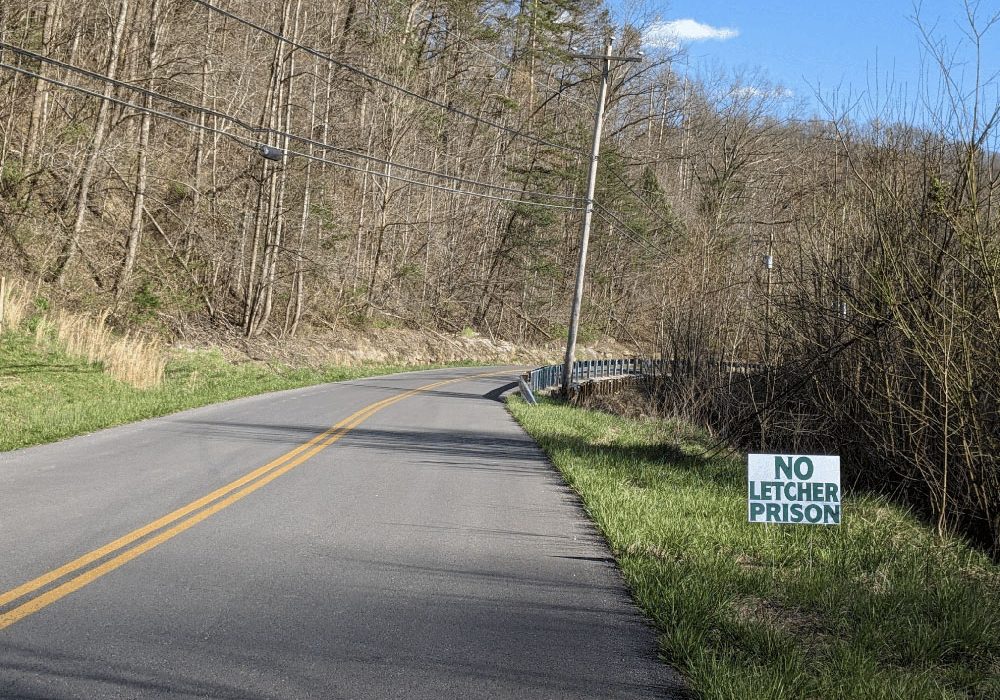
After 20 Years, Letcher County Prison Proposal Is Still Alive, Though Obstacles Remain
A $605 million proposal for a federal prison on a former strip mine site in Letcher County, Kentucky, championed by U.S. Rep. Hal Rogers, refuses to die, despite local opposition, a lack of support from the executive branch and numerous other obstacles.
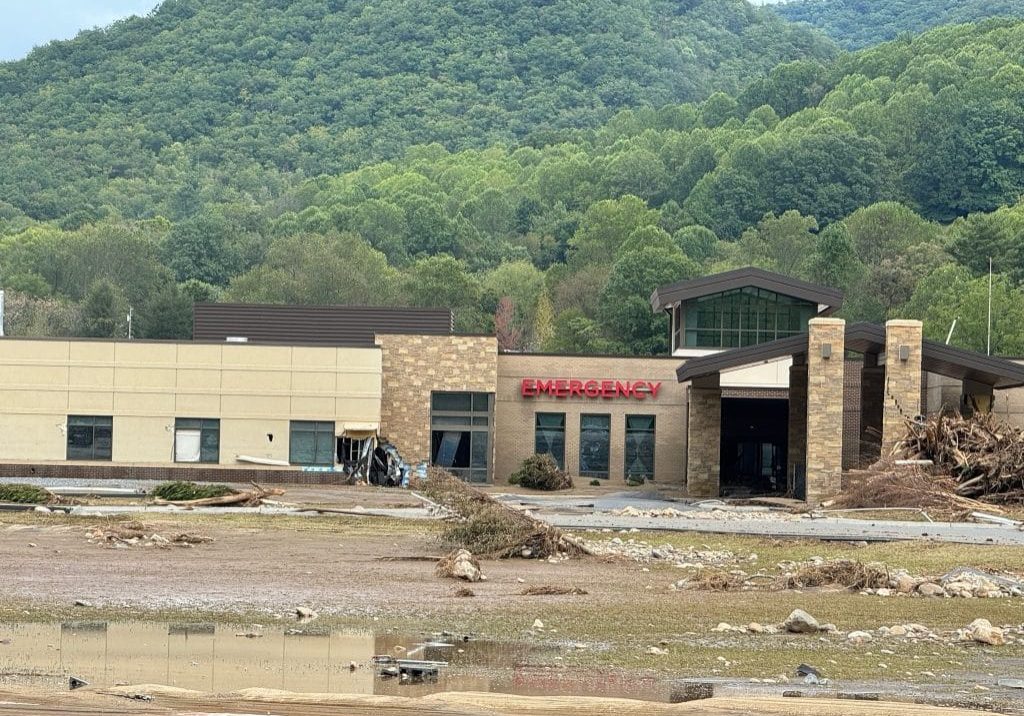
The Washout and Rebuild
For nearly two years, residents of Unicoi County, Tennessee, have had to make do without a hospital after Hurricane Helene destroyed the rural hospital. Ballad Health, which owns the hospital, broke ground on a new location — in another floodplain — in August 2026.

The Shenandoah Salamander
The Shenandoah salamander is a woodland salamander, which has adapted to life at higher elevations away from water. This sparkling rarity lives among the dry leaves, cracked logs, and stony hillocks on the highest peaks of Shenandoah National Park.

Leave a comment
Your email address will not be published. Required fields are marked *
One response to “Driving on Sunshine”
-

The future is now. Let’s all support this!

Leave a Comment