

Helping Residents Stand Up To Pipelines
With the proposed development of the Atlantic Coast and Mountain Valley pipeline proposals, our team has been helping to alert citizens about ways to engage in fracked gas pipeline issues and express concerns about these risky plans. We drove turnout to the recent series of Federal Energy Regulatory Commission hearings in West Virginia, Virginia, and North Carolina on the proposed Atlantic Coast Pipeline and plan to do that again as the same process plays out for the Mountain Valley Pipeline.
Meanwhile, community groups in Virginia that focus on this issue continue to organize and grow, as major rallies in Blacksburg and Richmond attest, and events are already planned for the spring and summer across the area, including film screenings, music festivals and even a pipeline route bike ride. We’ll keep spreading the word, so stay tuned and visit appvoices.org/fracking to learn how to get involved!
Related Articles
Latest News
More Stories

Neighbors Help Neighbors
A photo essay that celebrates the volunteer spirit of the grassroots group Hurricane Helene WNC and speaks to the resourcefulness, collaboration and hard work embodied by thousands and thousands of volunteers, first responders and aid workers across the region after Hurricane Helene.

Halloween Approaches, and Night School Is in Session
The House of Art in Bluefield, West Virginia, looks like a haunted tower, making it the perfect location for its sixth annual haunt event: Night School. The Night School will be open every Friday and Saturday night through Oct. 31.

‘The Most Perfect Act of Love’
Hundreds of people attended the second annual Affirming Sumner Pride celebration on a 24-acre farm dubbed “Fruity Farm” in Bethpage, Sumner County, Tennessee.

Signs of Life: Endangered Bats Found in Nantahala for First Time in More Than a Decade
In the Nantahala National Forest, a team of biologists spotted Indiana bats, an endangered species that hasn’t been seen in North Carolina for the last 11 years.

‘First Line of Defense’
During Hurricane Helene and its aftermath, rural fire departments and other first responder hubs played critical roles in keeping their communities safe, even without power and cut off from outside support for days or weeks after the storm. Two years later, plenty of work remains to ensure these hubs have the resources they need to operate day to day and be ready when emergencies or natural disasters strike.
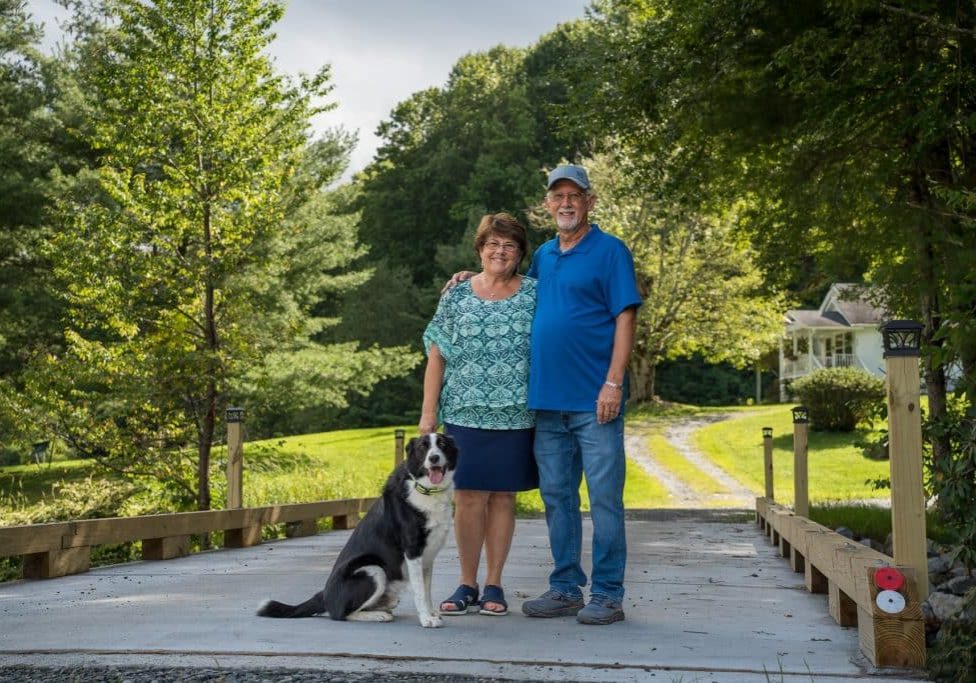
The Rocky Road — and Bridge — to Recovery
Hurricane Helene is estimated to have damaged nearly 7,000 private roads and bridges in Western North Carolina. Two years later, many restoration projects are complete, but the journey hasn’t been easy — and isn’t over for others.

Leave a comment
Your email address will not be published. Required fields are marked *
Leave a Comment