

The Book of Lenny
By Matt Wasson
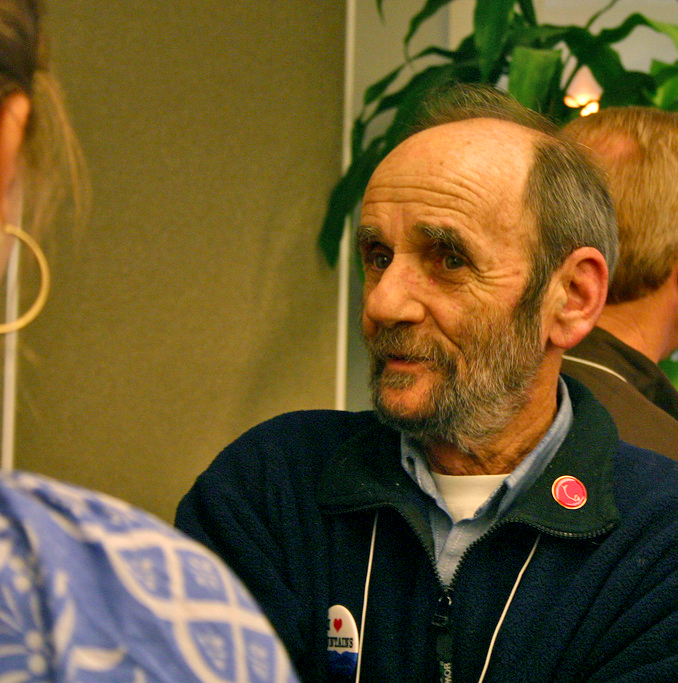
In September, Appalachian Voices lost a dear member of our family. Lenny Kohm worked at Appalachian Voices for nearly 13 years, during which time his wisdom and deep understanding of what moves people to take action became woven into the fabric of the organization.
Lenny came to Appalachian Voices in 2001 after 15 years working to protect the Arctic National Wildlife Refuge from oil drilling. I had taken the job of executive director a week earlier and had very little idea of how to go about running an environmental campaign, much less an organization. Fortunately, Lenny was my guide and mentor, as he was for all of the staff of Appalachian Voices in the subsequent years.
The first week, Lenny invited me over to his house to drink bourbon, or so he said. His real intention was to begin teaching me the fundamentals of working for justice and protecting the environment.
“Strategy,” Lenny explained, “is figuring out what victory looks like and working backward from there.”
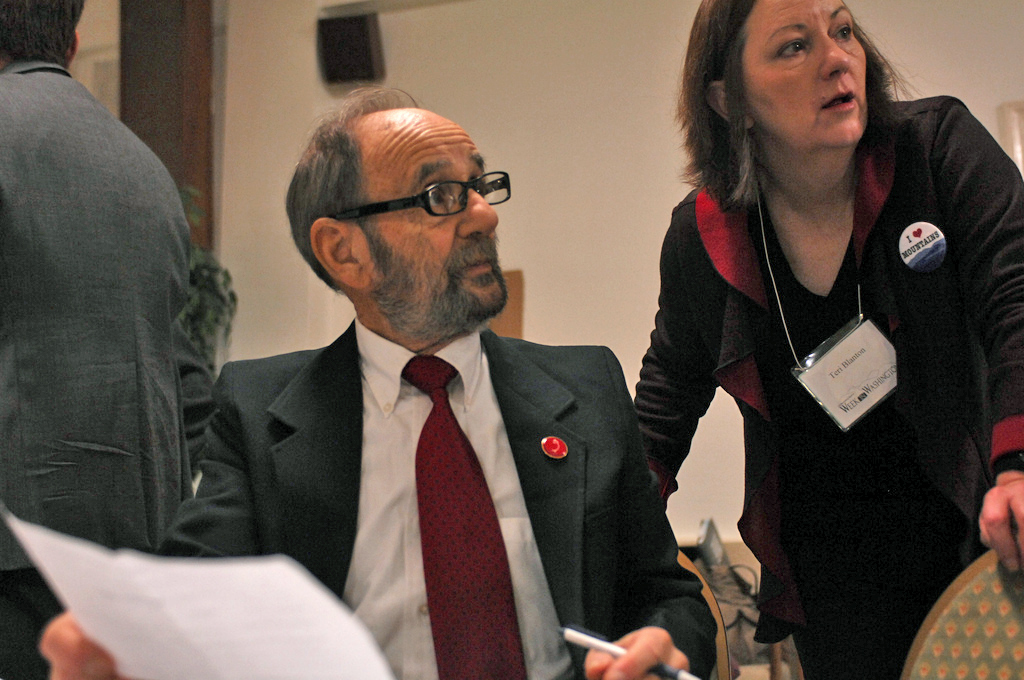
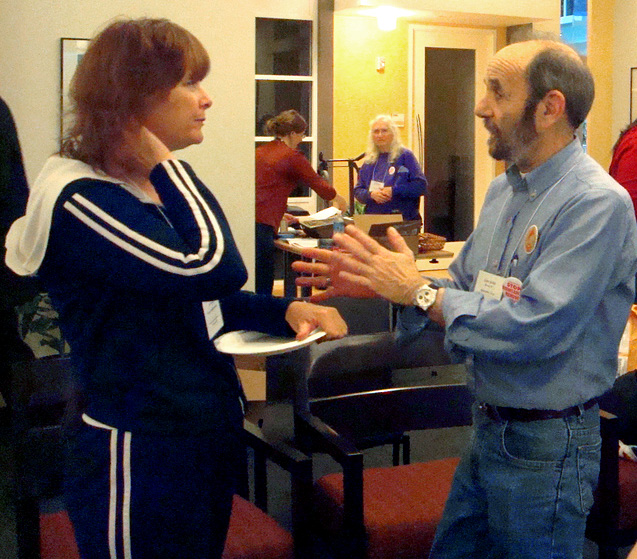
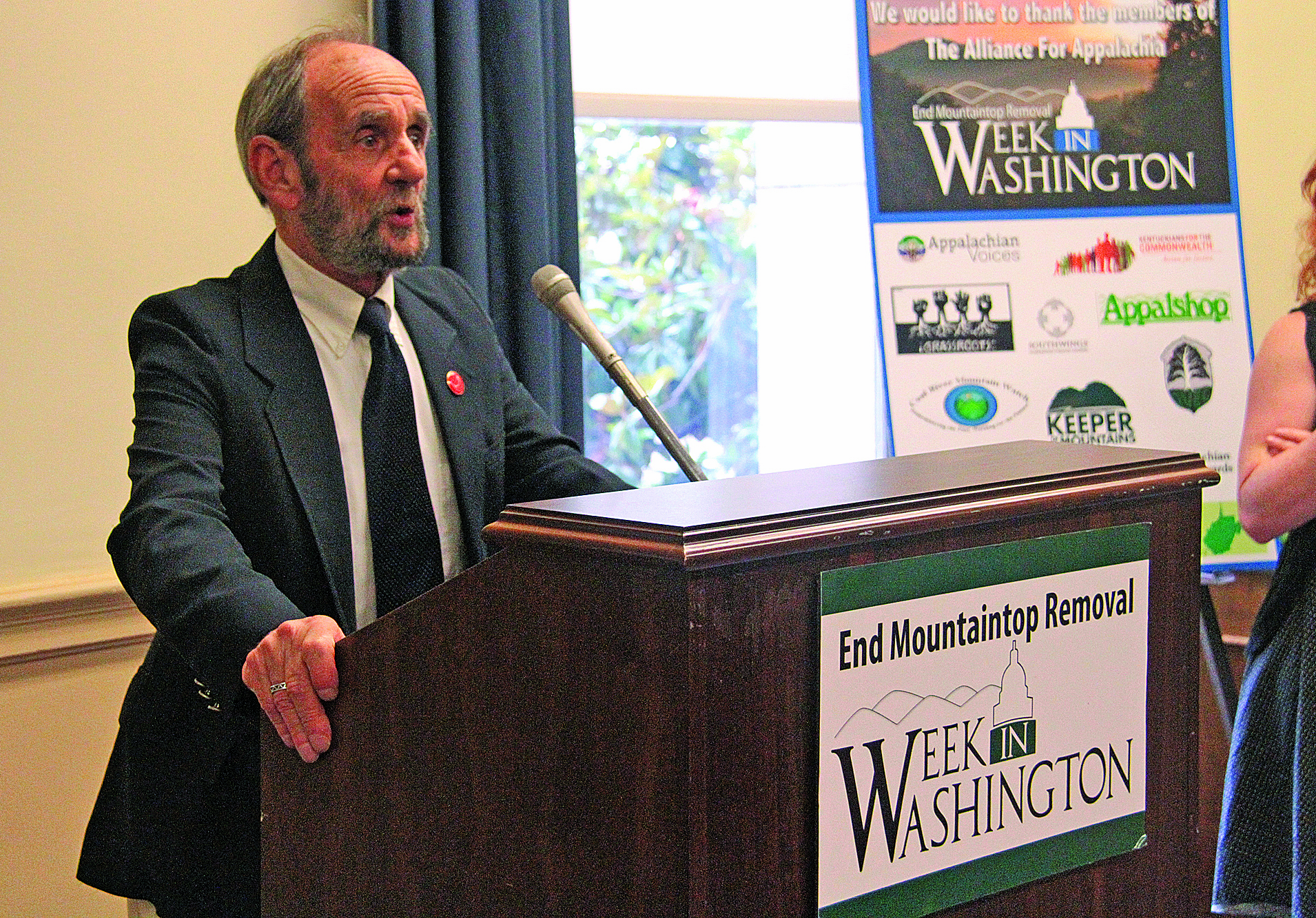
Lenny had little patience for tactics that were not part of a plausible path to victory. “Never let your tactic become your goal,” he often warned. And while he had nothing against conferences or demonstrations, anyone who suggested holding one with Lenny present had to be prepared to answer his inevitable question, “What comes out the other side?”
Lenny also told me that to be really valuable in this movement, you need to learn how Congress works, as well as how to move legislators, which in his view was not done by appealing to their hearts or to logic, but by going to their constituents and building a base.
Lenny was skeptical of any strategy that did not involve “boots on the ground,” by which he meant going out to speak directly with the constituents of the decision-maker you are trying to move. Most of all, he wanted no part of any campaign that failed to put people who are directly impacted by the problem out front.
But as much as he embodied and cherished his role as mentor, Lenny was never pedantic. He was inspirational.
“When you work for justice,” Lenny would say, “you have a kind of magic. Your job is to go out and give that magic away. You can’t try to hoard it or it disappears, but if you keep giving it away you never run out.”
Lenny also said that the step in any campaign is to appoint the victory party committee. This was his way of saying not to bother starting a campaign unless you’re going into it with a commitment to do what it takes to win.
Lenny had many wise and witty sayings we called “Lennyisms” that are now woven into the fabric and lore of Appalachian Voices.
“You’ve got to get outside of yourself,” Lenny would say. “You’ve got to go to where people are at.” And most memorably, “Do it in a good way.”

On a perfect, sunny Appalachian autumn day, friends and family gathered in Foscoe, N.C., to honor and celebrate the life and legacy of Lenny Kohm. We came from all across the country — folks from California and Alaska came the furthest — and spent the afternoon together listening to loving tributes filled with lots of laughter (and not a few tears), enjoyed a good old-fashioned potluck, and sat around a bonfire deep into the crisp October night, sharing stories and raising a toast (or three) to The Chief we all loved and admired.
[ Stories, pictures and video from the Memorial Celebration ]
“Never lobby without a hangover” was one of the more interesting Lennyisms. What he meant is that when you go to the capitol your most important job is to make friends and build relationships. For Lenny, being an activist wasn’t just about what you do, but about who you are — on or off the clock.
In the last years of his life, Lenny cut back to part-time in order to spend more time in his beloved Jamaica. He planned to write a book, and spent countless hours sitting on the beach with a Red Stripe in one hand and his computer on his lap.
Whether he ever started writing chapters for that book is something we may never know, but I told Lenny many times, “you don’t need to write a book — WE ARE your book.” I was referring to the many of us who learned most of what we know about activism from him.
Like everyone at Appalachian Voices, and thousands of others whose lives he touched, I’m proud to be a page in Lenny’s book. And now that no chapters will ever be written, it’s our responsibility to carry his legacy to another generation of activists.
Related Articles
Latest News
More Stories

Halloween Approaches, and Night School Is in Session
The House of Art in Bluefield, West Virginia, looks like a haunted tower, making it the perfect location for its sixth annual haunt event: Night School. The Night School will be open every Friday and Saturday night through Oct. 31.
‘The Most Perfect Act of Love’
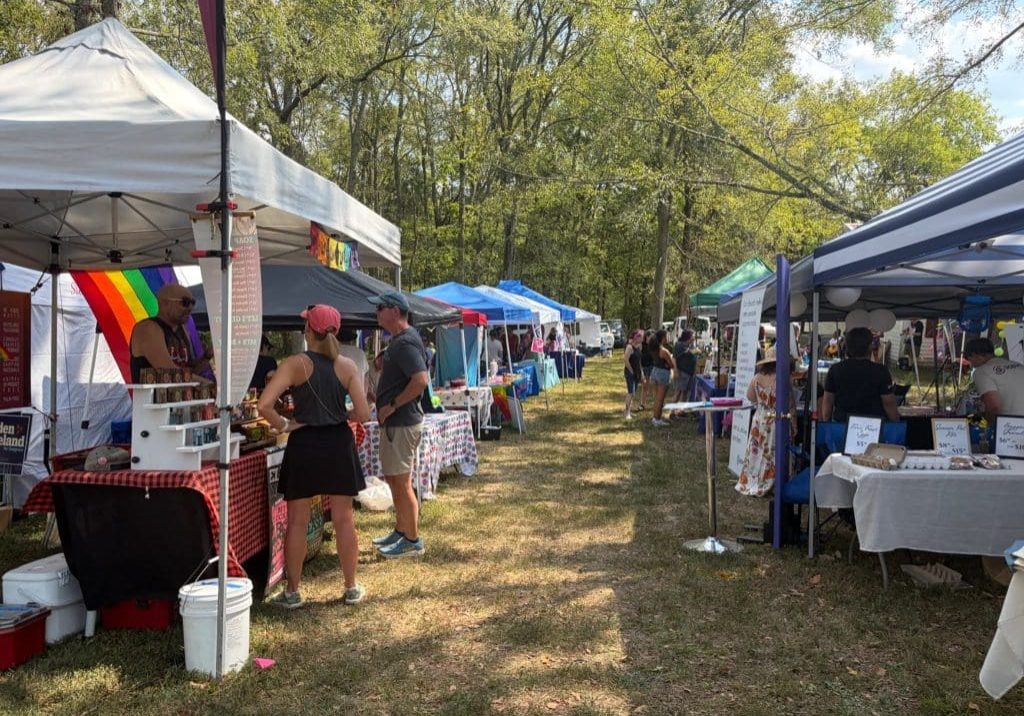
After losing its rural pride celebration, hundreds of people attended the second annual Affirming Sumner Pride celebration on a 24-acre farm dubbed “Fruity Farm” in Bethpage, Sumner County, Tennessee.

Signs of Life
In the Nantahala National Forest, a team of biologists spotted Indiana bats, an endangered species that hasn’t been seen in North Carolina for the last 11 years.

‘First Line of Defense’
During Hurricane Helene and its aftermath, rural fire departments and other first responder hubs played critical roles in keeping their communities safe, even without power and cut off from outside support for days or weeks after the storm. Two years later, plenty of work remains to ensure these hubs have the resources they need to operate day to day and be ready when emergencies or natural disasters strike.

The Rocky Road — and Bridge — to Recovery
Hurricane Helene is estimated to have damaged nearly 7,000 private roads and bridges in Western North Carolina. Two years later, many restoration projects are complete, but the journey hasn’t been easy — and isn’t over for others.
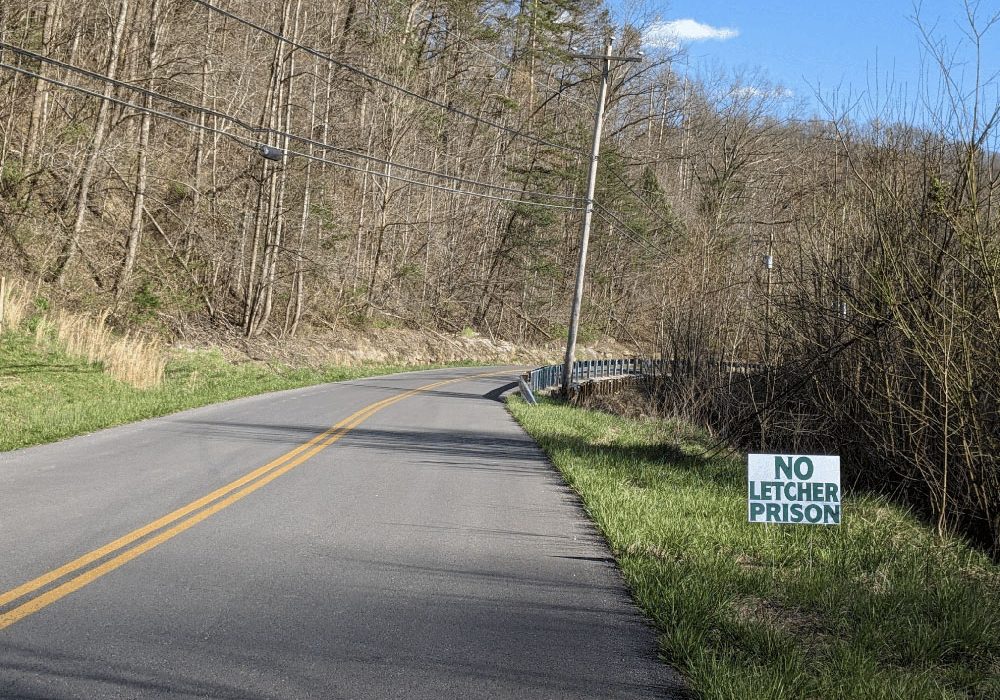
After 20 Years, Letcher County Prison Proposal Is Still Alive, Though Obstacles Remain
A $605 million proposal for a federal prison on a former strip mine site in Letcher County, Kentucky, championed by U.S. Rep. Hal Rogers, refuses to die, despite local opposition, a lack of support from the executive branch and numerous other obstacles.

Leave a comment
Your email address will not be published. Required fields are marked *
One response to “The Book of Lenny”
-

the wit and wisdom of Lenny is beyond description..what a privileged to have known him and to have enjoyed his company… let’s keep up the good fight the Lenny way…peace and joy to all

Leave a Comment