

Volunteering in West Virginia
Big Laurel Learning Center
Along the beautiful Tug Fork River near Kermit, W.Va., this rural community center offers environmental service opportunities to educate and assist communities affected by mountaintop removal mining. “The coal mines are right next door and people suffer from this fall-out of the coal society,” says Gretchen Shaffer, Big Laurel’s volunteer program shepherd. Volunteers participate in organic gardening, mentoring children in outdoor and academic activities and preparing meals. Short-term and long-term opportunities available, including an AmeriCorps position. 18 and older. Get involved! Call 304-393-4103 or visit biglaurel.org — K. Boyajian
Coal River Mountain Watch
On-site volunteers work and live with seven housemates on 178 acres in Rock Creek, W.Va., and participate in environmental justice endeavors. The goals of CRMW range from ending mountaintop removal coal mining in Appalachia to helping restore clean water to Coal River Valley. CRMW also works with Energy Efficient West Virginia to create and promote sustainable economic development in the region. Short-term and long-term programs available. Get involved! Call 304-854-2182 or visit crmw.net — K. Boyajian
Direct Action Welfare Group
Started as a grassroots group in Charleston, W.Va., in 2002, DAWG is comprised of current and former public assistance recipients statewide who work together towards ending poverty. “My Life Project,” volunteers can contribute online through posts, articles or videos to share their stories. DAWG volunteers help with community dinners, school supply drives and information sessions as well. Teens can also get involved in DAWG’s Youth Empowerment Program which helps to improve leadership skills and promotes community organizing. All ages. Get involved! Call 304-590-8050 or visit wvdawg.org — K. Boyajian
Related Articles
Latest News
More Stories
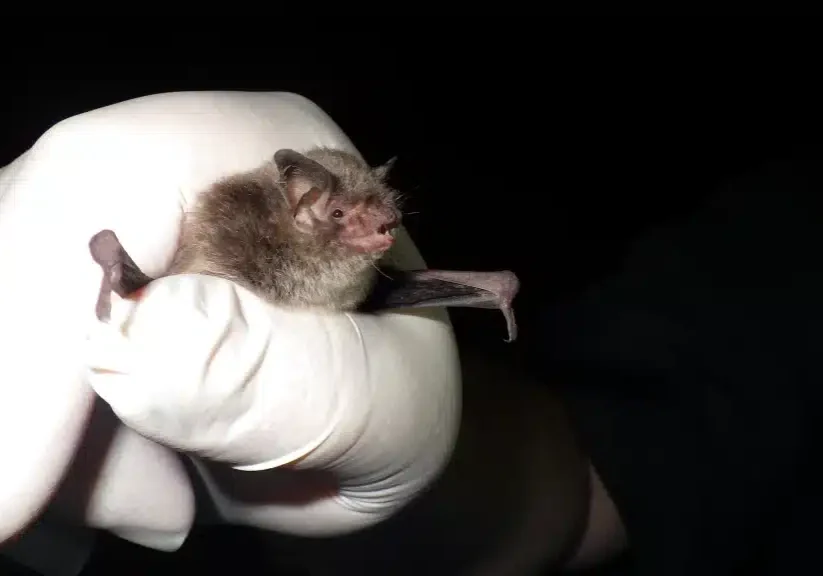
Signs of Life
In the Nantahala National Forest, a team of biologists spotted Indiana bats, an endangered species that hasn’t been seen in North Carolina for the last 11 years.

‘First Line of Defense’
During Hurricane Helene and its aftermath, rural fire departments and other first responder hubs played critical roles in keeping their communities safe, even without power and cut off from outside support for days or weeks after the storm. Two years later, plenty of work remains to ensure these hubs have the resources they need to operate day to day and be ready when emergencies or natural disasters strike.

The Rocky Road — and Bridge — to Recovery
Hurricane Helene is estimated to have damaged nearly 7,000 private roads and bridges in Western North Carolina. Two years later, many restoration projects are complete, but the journey hasn’t been easy — and isn’t over for others.
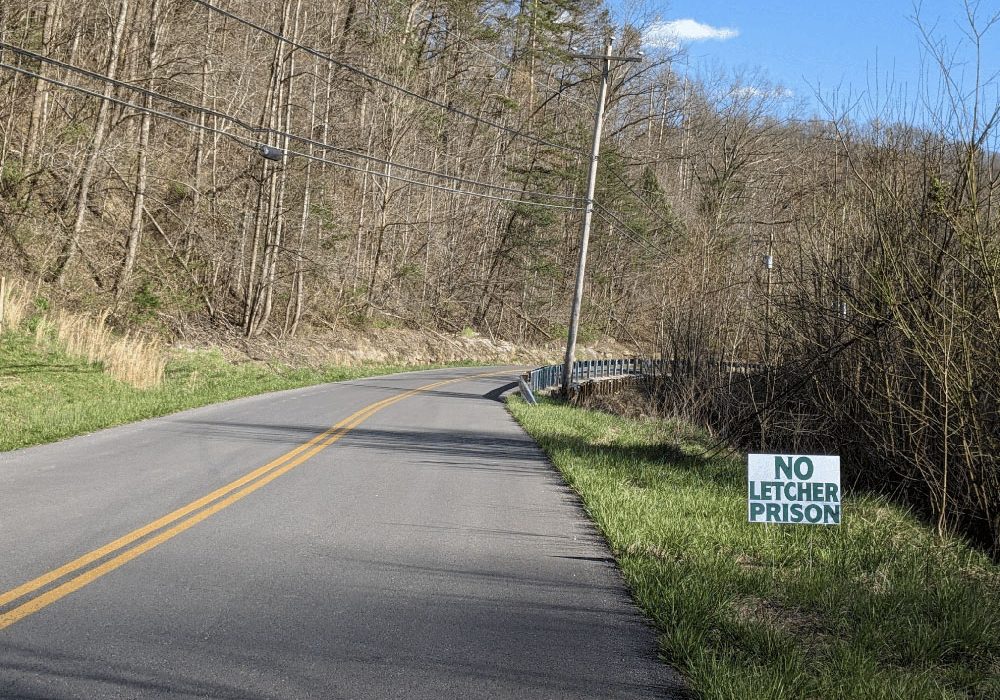
After 20 Years, Letcher County Prison Proposal Is Still Alive, Though Obstacles Remain
A $605 million proposal for a federal prison on a former strip mine site in Letcher County, Kentucky, championed by U.S. Rep. Hal Rogers, refuses to die, despite local opposition, a lack of support from the executive branch and numerous other obstacles.
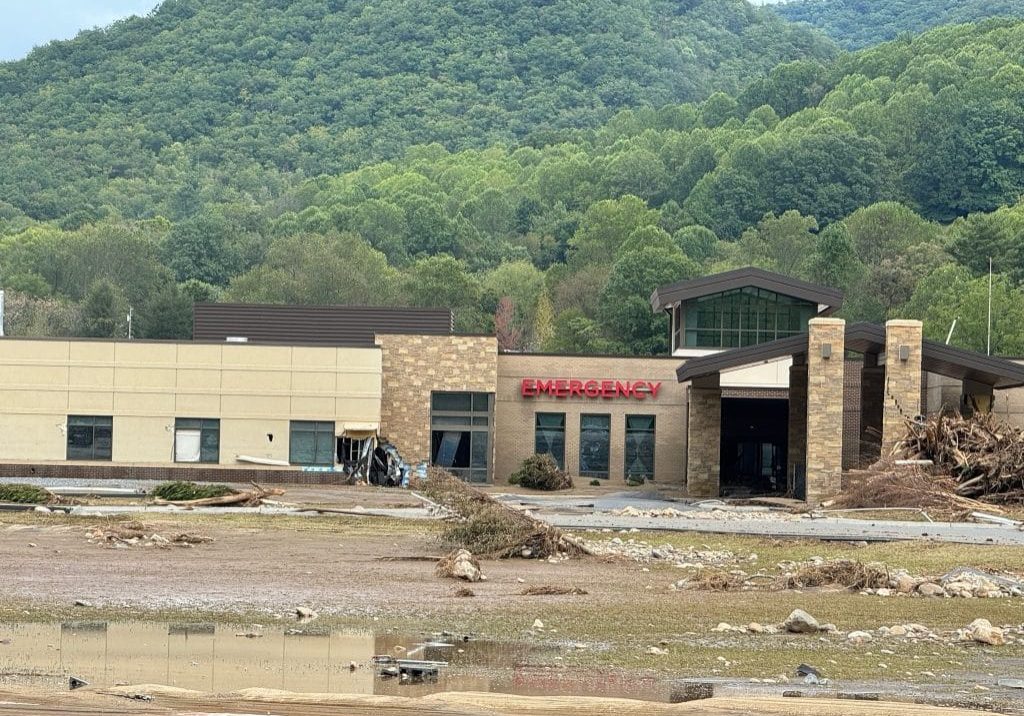
The Washout and Rebuild
For nearly two years, residents of Unicoi County, Tennessee, have had to make do without a hospital after Hurricane Helene destroyed the rural hospital. Ballad Health, which owns the hospital, broke ground on a new location — in another floodplain — in August 2026.

The Shenandoah Salamander
The Shenandoah salamander is a woodland salamander, which has adapted to life at higher elevations away from water. This sparkling rarity lives among the dry leaves, cracked logs, and stony hillocks on the highest peaks of Shenandoah National Park.

Leave a comment
Your email address will not be published. Required fields are marked *
Leave a Comment