

By Nolen Nychay
The legal hemp farming debate has come to Appalachia. The much-debated Farm Bill President Obama signed into law in February included a “hemp amendment,” which permitted the regulated cultivation of industrial hemp in states that have legalized hemp farming. Hemp is a cash crop in the cannabis family that, despite lacking most of the hallucinogenic THC found in marijuana, has been illegal to grow in the United States since the 1970 Controlled-Substances Act. U.S. imports of hemp and many of its 25,000-plus products, including building materials and biodiesel fuel, have an annual retail value of more than $500 million, according to the Hemp Industries Association.
Kentucky and West Virginia are currently the only Appalachian states with legal hemp farming, the latter restricting it to purely research purposes. Kentucky’s terrain and climate are well-suited for hemp, which contributed to the state being the country’s chief hemp producer during WWII. Kentucky plans to capitalize on the new law and initiate five hemp research programs that will identify medicinal uses, seeds best-suited for the region, prospective costs and logistics of a new hemp market, and whether hemp could effectively be used to remove ground contaminants from industrial sites. “We’re ahead at something that relates to economic development for once, so let’s pursue it,” said Kentucky Agriculture Commissioner James Comer in a USA Today article.
Other Appalachian states are close behind. The South Carolina State Senate unanimously passed a bill in March proposing to legalize industrial hemp — a State House vote is expected later this spring. Legislation is also under review in Tennessee, and as of press time had passed subcommittees in both the State House and State Senate and is awaiting committee approval. “Our motivation for doing this comes from the desire to bring jobs back from other countries right back to Tennessee,” said Tenn. State Representative Jeremy Faison (R-Cosby) to news media company The Examiner.
W.Va. Bill to Support Veterans in Agriculture
By Kelsey Boyajian
In March, the West Virginia House and Senate passed a bill to create the Veterans and Warriors to Agriculture program. According to State Senator Ronald Miller (D-Greenbrier), many returned veterans from active duty struggle to find employment.
Once signed into law by the governor, the program will provide veterans with opportunities for agricultural training in hopes of job creation, and up to 15 acres of land from the West Virginia Department of Agriculture for instruction.
Related Articles
Latest News
More Stories
Signs of Life
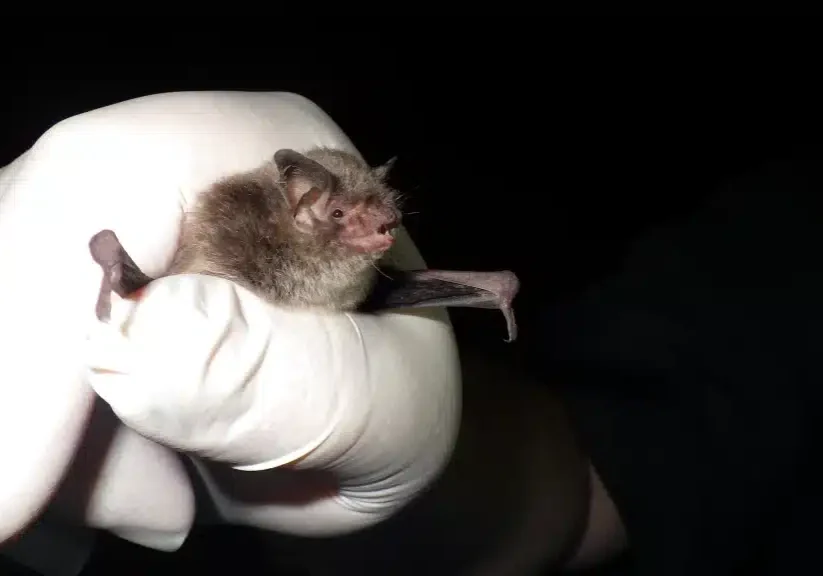
In the Nantahala National Forest, a team of biologists spotted Indiana bats, an endangered species that hasn’t been seen in North Carolina for the last 11 years.
‘First Line of Defense’
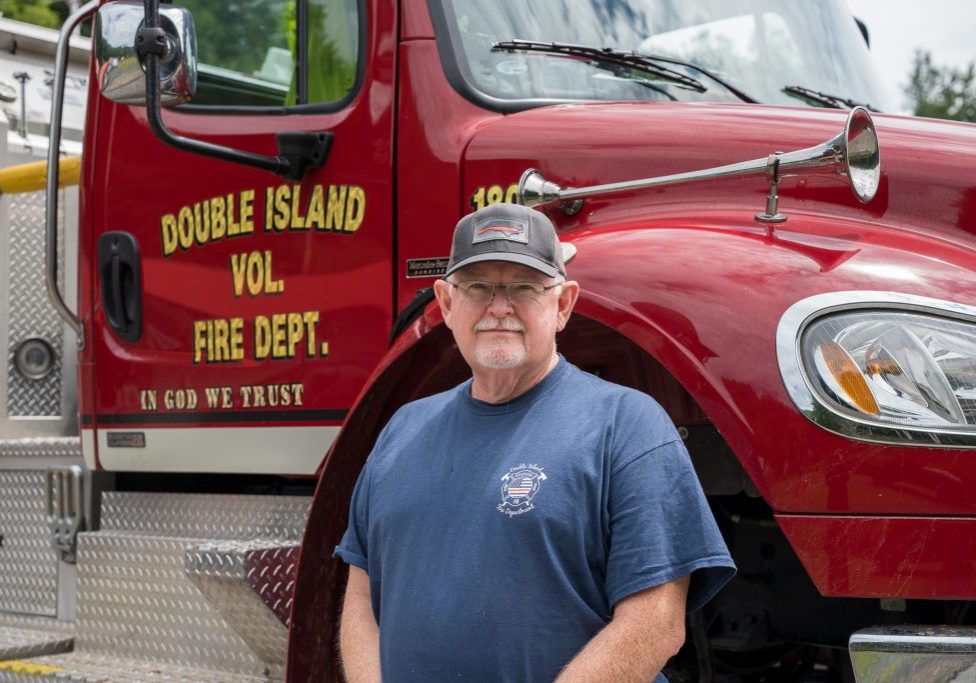
During Hurricane Helene and its aftermath, rural fire departments and other first responder hubs played critical roles in keeping their communities safe, even without power and cut off from outside support for days or weeks after the storm. Two years later, plenty of work remains to ensure these hubs have the resources they need to operate day to day and be ready when emergencies or natural disasters strike.
The Rocky Road — and Bridge — to Recovery
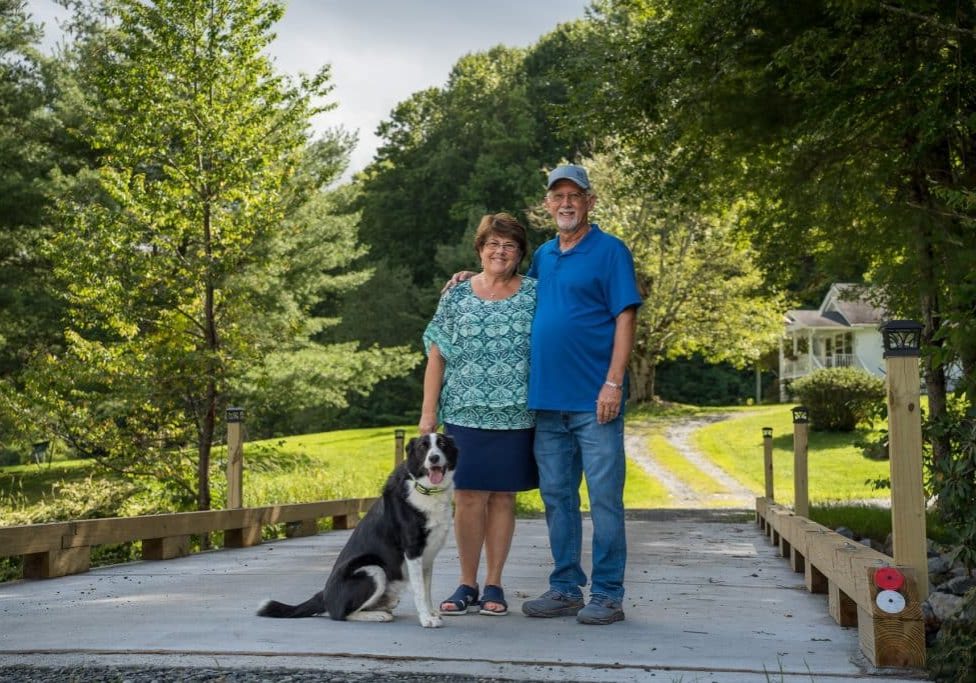
Hurricane Helene is estimated to have damaged nearly 7,000 private roads and bridges in Western North Carolina. Two years later, many restoration projects are complete, but the journey hasn’t been easy — and isn’t over for others.
After 20 Years, Letcher County Prison Proposal Is Still Alive, Though Obstacles Remain
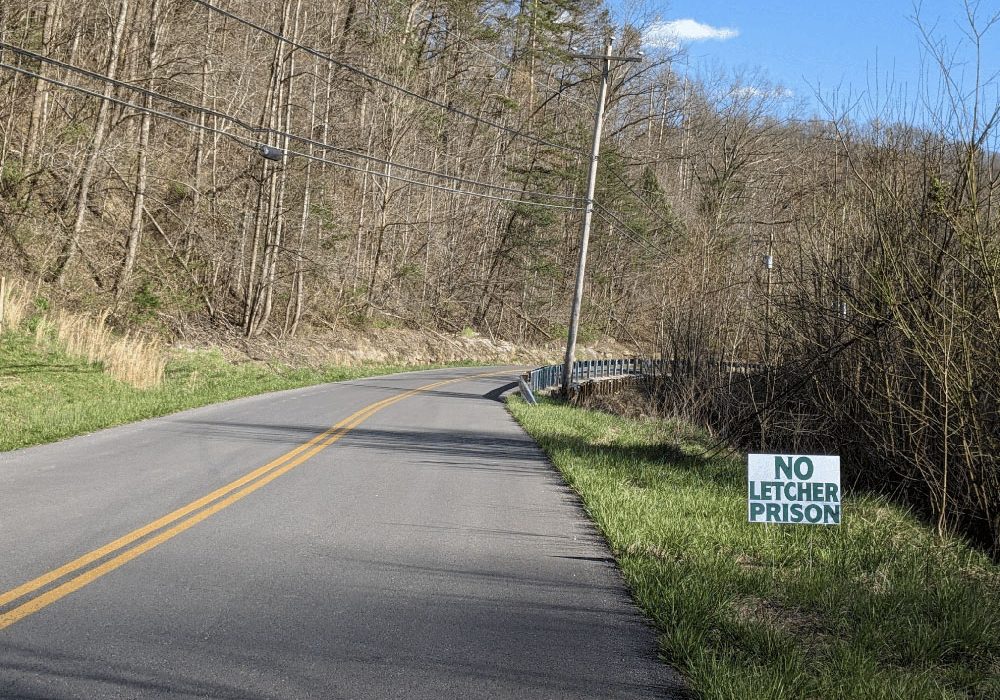
A $605 million proposal for a federal prison on a former strip mine site in Letcher County, Kentucky, championed by U.S. Rep. Hal Rogers, refuses to die, despite local opposition, a lack of support from the executive branch and numerous other obstacles.
The Washout and Rebuild
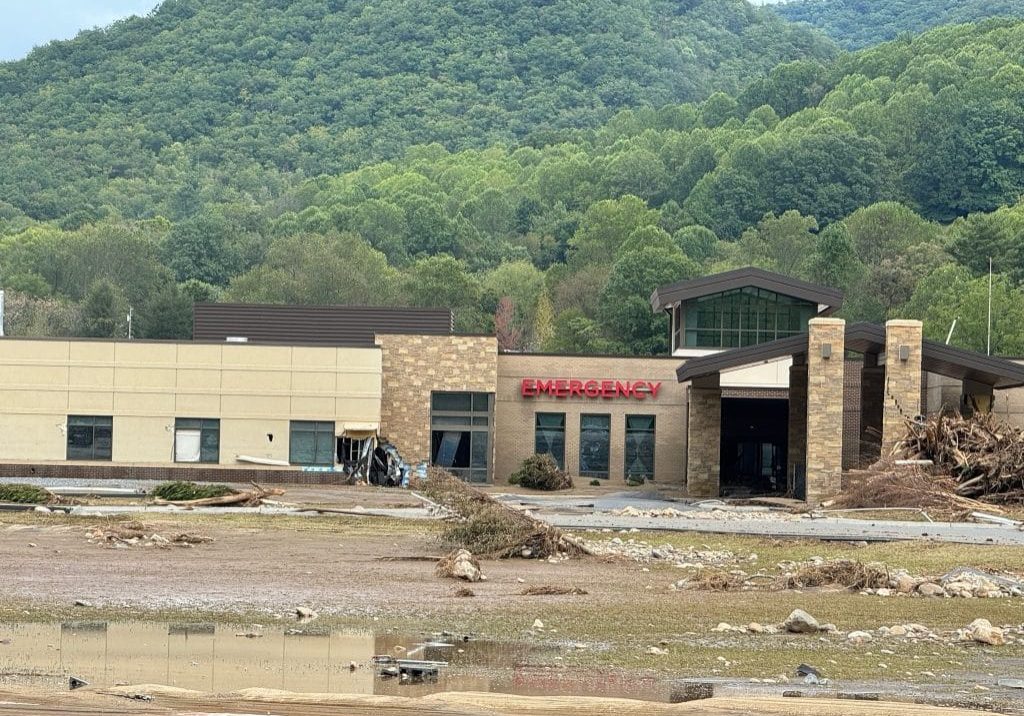
For nearly two years, residents of Unicoi County, Tennessee, have had to make do without a hospital after Hurricane Helene destroyed the rural hospital. Ballad Health, which owns the hospital, broke ground on a new location — in another floodplain — in August 2026.

The Shenandoah Salamander
The Shenandoah salamander is a woodland salamander, which has adapted to life at higher elevations away from water. This sparkling rarity lives among the dry leaves, cracked logs, and stony hillocks on the highest peaks of Shenandoah National Park.

Leave a comment
Your email address will not be published. Required fields are marked *
Leave a Comment