

Introducing Energy Savings for Appalachia
By Rory McIlmoil
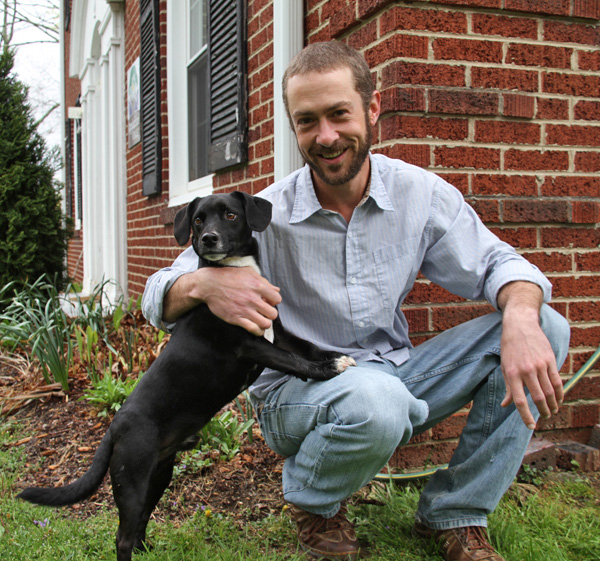
Appalachian Voices Energy Policy Director Rory McIlmoil coordinates our energy savings campaign
As we reach the end of one of the coldest winters I have ever experienced, I have been thinking a lot about how the periods of deep freeze have impacted residents across the region. Two managers of rural electric cooperatives recently told me that they have seen record-high energy costs for many of their residential customers.
These costs are an ongoing burden for many in Appalachia, where rural and low-income residents often live in homes that waste significant amounts of energy. The high electric bills that result can inhibit a family’s ability to meet even basic needs. In fact, energy costs can consume 80 percent of a family’s income during some months.
This problem is rooted in the inability of residents to afford the upfront cost of making needed energy efficiency improvements in their homes, such as adding insulation, repairing air ducts and conducting basic weatherization. This is the problem that our Energy Savings for Appalachia campaign aims to address.
Through this innovative campaign, we are promoting “on-bill financing” home energy loan programs that rural electric cooperatives should be offering to help residents finance the cost of home energy improvements. Such programs are proving to be highly successful in South Carolina, where residential participants reduced their electric bills by an average of 34 percent, and Kentucky, where participating homeowners have achieved an average energy savings of more than 20 percent.
Cutting energy costs not only helps alleviate poverty by increasing the amount of income families have for meeting their basic needs, but also can boost rural economies. The new savings can be spent in the community, and the increased demand for local energy services — such installing energy-efficient heating systems — supports new businesses and job creation.
Employing energy efficiency can also have significant environmental benefits. By cutting energy waste, we can reduce demand for coal that is extracted through mountaintop removal coal mining and for natural gas that comes from fracking wells. The simple act of insulating a home is one more step toward building resilient and sustainable communities.
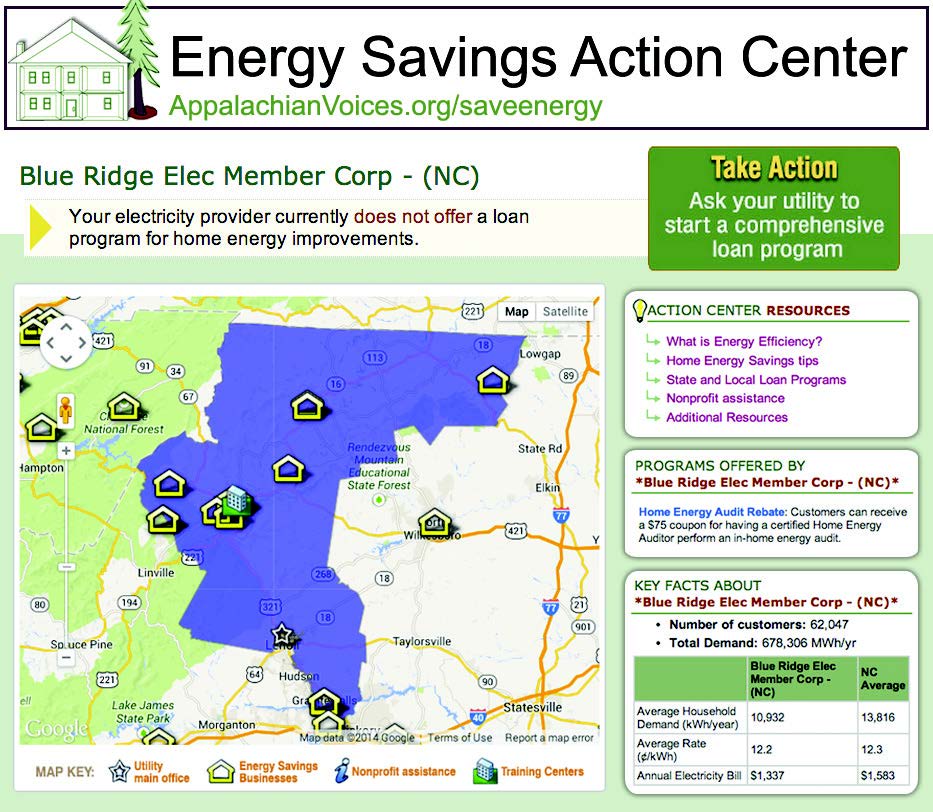
We need you to get involved if we are going to achieve our goal of seeing strong home energy loan programs offered by every electric cooperative in the region. One way you can do that is by visiting our Energy Savings Action Center and sending a letter to your electric utility requesting that they develop an on-bill financing loan program. After taking action, help build the movement by spreading the word about the Action Center and our campaign for saving money and energy (and the environment!) in Appalachia.
Related Articles
Latest News
More Stories

Halloween Approaches, and Night School Is in Session
The House of Art in Bluefield, West Virginia, looks like a haunted tower, making it the perfect location for its sixth annual haunt event: Night School. The Night School will be open every Friday and Saturday night through Oct. 31.

‘The Most Perfect Act of Love’
After losing its rural pride celebration, hundreds of people attended the second annual Affirming Sumner Pride celebration on a 24-acre farm dubbed “Fruity Farm” in Bethpage, Sumner County, Tennessee.

Signs of Life
In the Nantahala National Forest, a team of biologists spotted Indiana bats, an endangered species that hasn’t been seen in North Carolina for the last 11 years.

‘First Line of Defense’
During Hurricane Helene and its aftermath, rural fire departments and other first responder hubs played critical roles in keeping their communities safe, even without power and cut off from outside support for days or weeks after the storm. Two years later, plenty of work remains to ensure these hubs have the resources they need to operate day to day and be ready when emergencies or natural disasters strike.

The Rocky Road — and Bridge — to Recovery
Hurricane Helene is estimated to have damaged nearly 7,000 private roads and bridges in Western North Carolina. Two years later, many restoration projects are complete, but the journey hasn’t been easy — and isn’t over for others.

After 20 Years, Letcher County Prison Proposal Is Still Alive, Though Obstacles Remain
A $605 million proposal for a federal prison on a former strip mine site in Letcher County, Kentucky, championed by U.S. Rep. Hal Rogers, refuses to die, despite local opposition, a lack of support from the executive branch and numerous other obstacles.

Leave a comment
Your email address will not be published. Required fields are marked *
Leave a Comment