

Sequestration’s Side Effects
By Davis Wax
As the indiscriminate budget cuts known as the sequester cause fissures throughout the federal government, programs that protect public health and the environment are feeling the crunch.
The U.S. Environmental Protection Agency’s budget is being cut from $8.4 billion to $7.7 billion with particularly harmful effects to its clean water program, which will lose $2 million or around eight percent of its budget. The agency will conduct an estimated 1,000 fewer inspections during the remaining months of fiscal year 2013. Various EPA air-monitoring sites will likely be forced to shut down, making it near impossible for the agency to judge if the Clean Air Act is being violated in certain areas of the country.
The Office of Surface Mining Reclamation and Enforcement, which oversees surface mining projects including mountaintop removal coal mining, will lose ten percent of its budget, allowing 50 abandoned mine lands projects to go unreclaimed. Around 22,500 citizens will remain exposed to the health risks that may result from open mine shafts and portals, mine fires, dangerous highwalls, landslides, and mine subsidence. Cuts to OSM will also result in a loss of $13 million in the health funds of the United Mine Workers of America, which help support retired coal miners and their families.
Conversely, due to the blanket budget cuts, the oil, natural gas and coal industries will be forced to slow down development on federal lands and waters. Lack of funding will lead to furloughs and personnel reductions resulting in delays on federal leases, development plans and permitting, coupled with fewer safety inspections that will lead to less revenue collected by the federal government.
Cuts to clean air and water protections that help regulate pollution, hazardous waste, and the use of pesticides:
• Kentucky: $2.1 million
• North Carolina: $3.6 million
• Tennessee: $2.2 million
• Virginia: $2.9 million
• West Virginia: $2 million
Cuts to public health protections that address disease, natural disasters and other hazards:
• Kentucky: $414,000
• North Carolina: $911,000
• Tennessee: $606,000
• Virginia: $764,000
• West Virginia: $177,000
Source: whitehouse.gov. Office of Management and Budget report to the Congress on the sequestration for fiscal year 2013
Related Articles
Latest News
More Stories

Halloween Approaches, and Night School Is in Session
The House of Art in Bluefield, West Virginia, looks like a haunted tower, making it the perfect location for its sixth annual haunt event: Night School. The Night School will be open every Friday and Saturday night through Oct. 31.
‘The Most Perfect Act of Love’
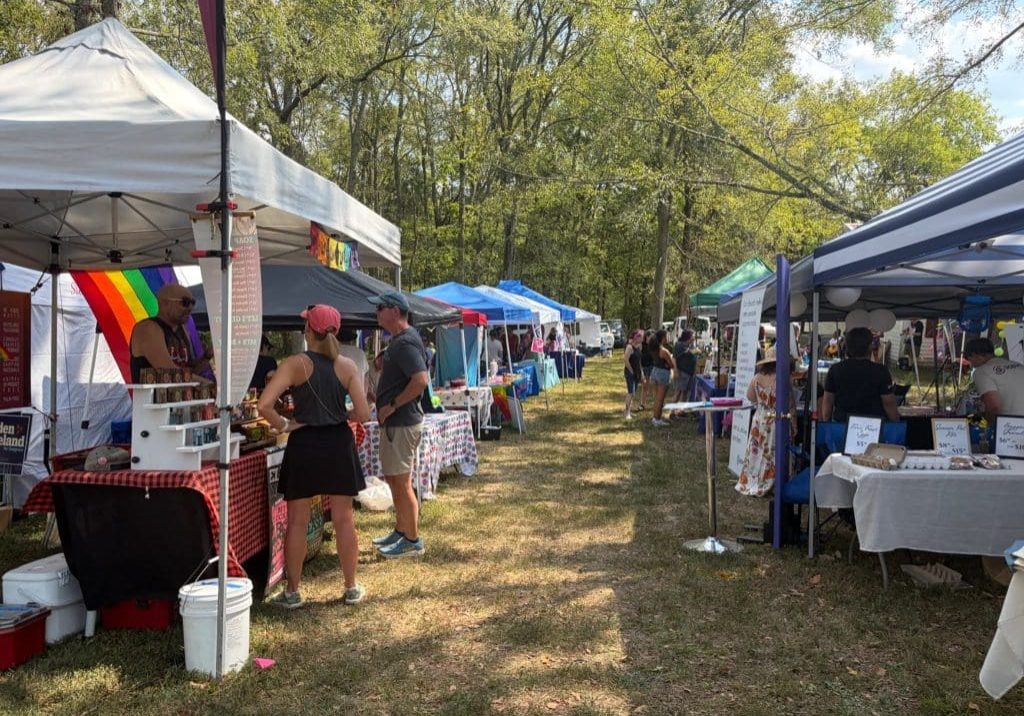
After losing its rural pride celebration, hundreds of people attended the second annual Affirming Sumner Pride celebration on a 24-acre farm dubbed “Fruity Farm” in Bethpage, Sumner County, Tennessee.

Signs of Life
In the Nantahala National Forest, a team of biologists spotted Indiana bats, an endangered species that hasn’t been seen in North Carolina for the last 11 years.

‘First Line of Defense’
During Hurricane Helene and its aftermath, rural fire departments and other first responder hubs played critical roles in keeping their communities safe, even without power and cut off from outside support for days or weeks after the storm. Two years later, plenty of work remains to ensure these hubs have the resources they need to operate day to day and be ready when emergencies or natural disasters strike.

The Rocky Road — and Bridge — to Recovery
Hurricane Helene is estimated to have damaged nearly 7,000 private roads and bridges in Western North Carolina. Two years later, many restoration projects are complete, but the journey hasn’t been easy — and isn’t over for others.
After 20 Years, Letcher County Prison Proposal Is Still Alive, Though Obstacles Remain
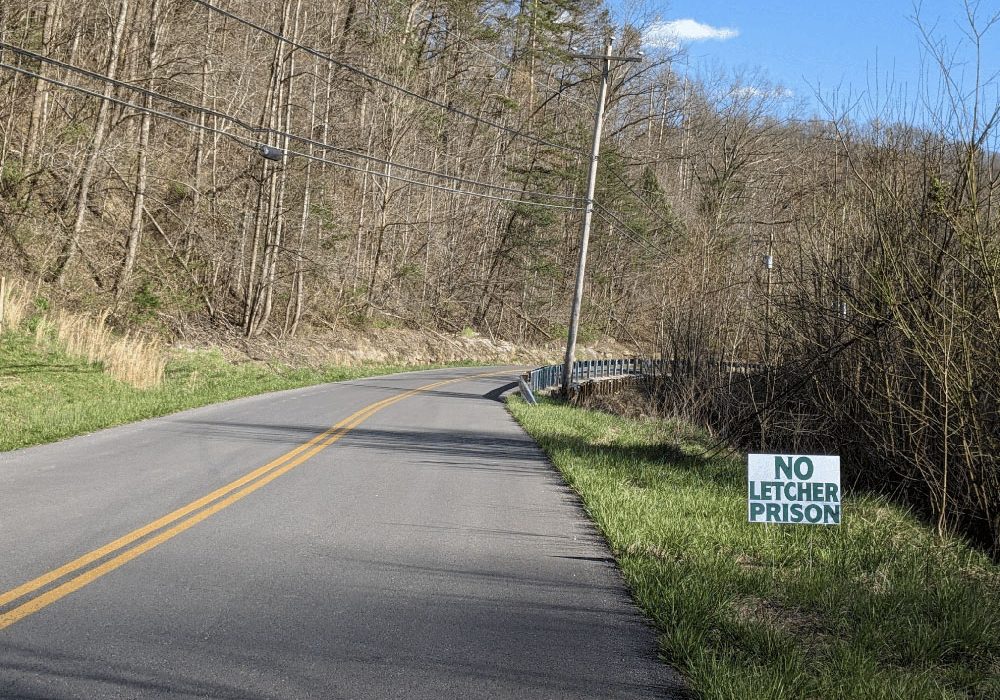
A $605 million proposal for a federal prison on a former strip mine site in Letcher County, Kentucky, championed by U.S. Rep. Hal Rogers, refuses to die, despite local opposition, a lack of support from the executive branch and numerous other obstacles.

Leave a comment
Your email address will not be published. Required fields are marked *
Leave a Comment