

On July 29, the U.S. Environmental Protection Agency finalized a rule change that allows electric utilities to continue dumping coal ash into unlined storage ponds for an additional six months. This extension is the first of five changes the EPA plans to make regarding Obama-era coal ash storage regulations, according to the Engineering News-Record. National environmental organizations Sierra Club and Earthjustice plan to challenge the change in court.
“The final rule boils down to giving industry more time to operate surface impoundments, despite the court ruling,” Earthjustice attorney Lisa Evans told E&E News. “Their highest priority is to serve the interest of the coal electric industry.”
In 2015, the Obama administration issued a closure deadline of April 2019 for unlined coal ash ponds — but allowed unlined ponds with no recorded groundwater contamination to operate indefinitely. A federal court ruled these standards as too lenient in 2018, and the EPA states that the July 2020 rule change adheres to this ruling.
This new rule specifies that all unlined ponds must retrofit or close, not just those with groundwater contamination above regulatory levels. The classification of “unlined” now also includes clay-lined impoundments, meaning that these impoundments must be retrofitted or closed as well. The EPA also finalized rules making groundwater monitoring data more accessible to the public. The revised date of April 2021 for these changes and closures of pond locations was determined after reviewing construction timeline information and finding that not all utilities would be able to meet the original 2020 deadline, according to the EPA.
The EPA will give some utilities through fall 2024 to close coal ash ponds if they are able to demonstrate a need for more time. Additionally, the agency is giving operators with coal ash ponds greater than 40 acres until 2028 to close the sites. Lisa Evans with Earthjustice told E&E News that companies with these larger ponds would have the opportunity to file for additional extensions through 2038.
“If it weren’t for the Trump administration, the dumping of toxic coal ash into leaking ponds would have stopped over a year ago,” said Evans in a statement. “This is yet another time that the administration put the interests of lobbyists before the health of Americans. We’ll see the Trump administration in court.” — By Emerson Wells
Related Articles
Latest News
More Stories

Halloween Approaches, and Night School Is in Session
The House of Art in Bluefield, West Virginia, looks like a haunted tower, making it the perfect location for its sixth annual haunt event: Night School. The Night School will be open every Friday and Saturday night through Oct. 31.

‘The Most Perfect Act of Love’
After losing its rural pride celebration, hundreds of people attended the second annual Affirming Sumner Pride celebration on a 24-acre farm dubbed “Fruity Farm” in Bethpage, Sumner County, Tennessee.

Signs of Life
In the Nantahala National Forest, a team of biologists spotted Indiana bats, an endangered species that hasn’t been seen in North Carolina for the last 11 years.

‘First Line of Defense’
During Hurricane Helene and its aftermath, rural fire departments and other first responder hubs played critical roles in keeping their communities safe, even without power and cut off from outside support for days or weeks after the storm. Two years later, plenty of work remains to ensure these hubs have the resources they need to operate day to day and be ready when emergencies or natural disasters strike.

The Rocky Road — and Bridge — to Recovery
Hurricane Helene is estimated to have damaged nearly 7,000 private roads and bridges in Western North Carolina. Two years later, many restoration projects are complete, but the journey hasn’t been easy — and isn’t over for others.
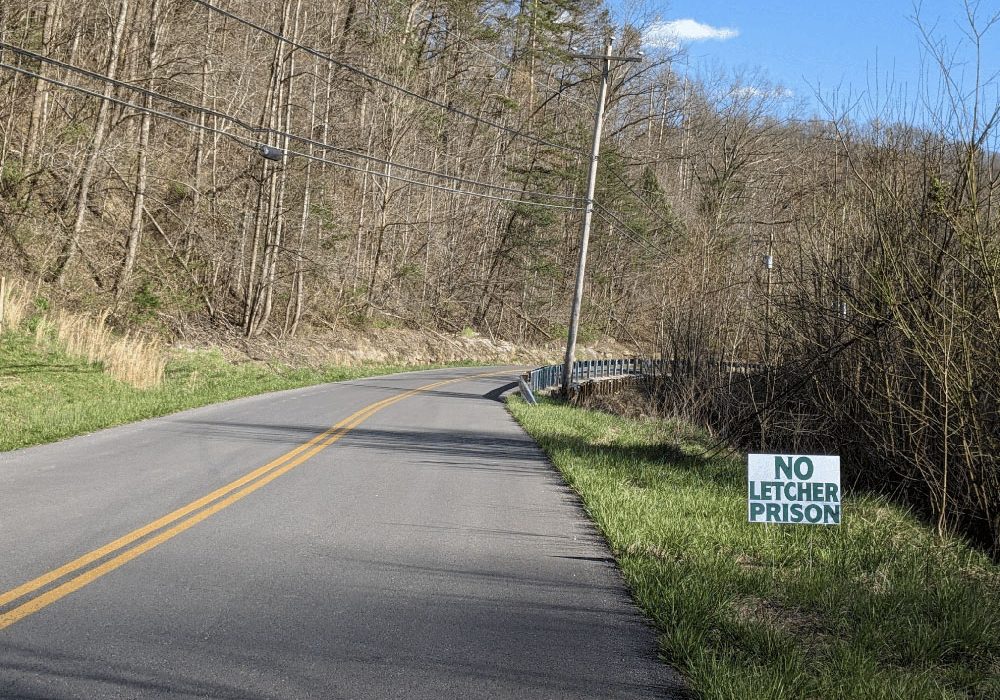
After 20 Years, Letcher County Prison Proposal Is Still Alive, Though Obstacles Remain
A $605 million proposal for a federal prison on a former strip mine site in Letcher County, Kentucky, championed by U.S. Rep. Hal Rogers, refuses to die, despite local opposition, a lack of support from the executive branch and numerous other obstacles.

Leave a comment
Your email address will not be published. Required fields are marked *
Leave a Comment