

Energy Report Shorts
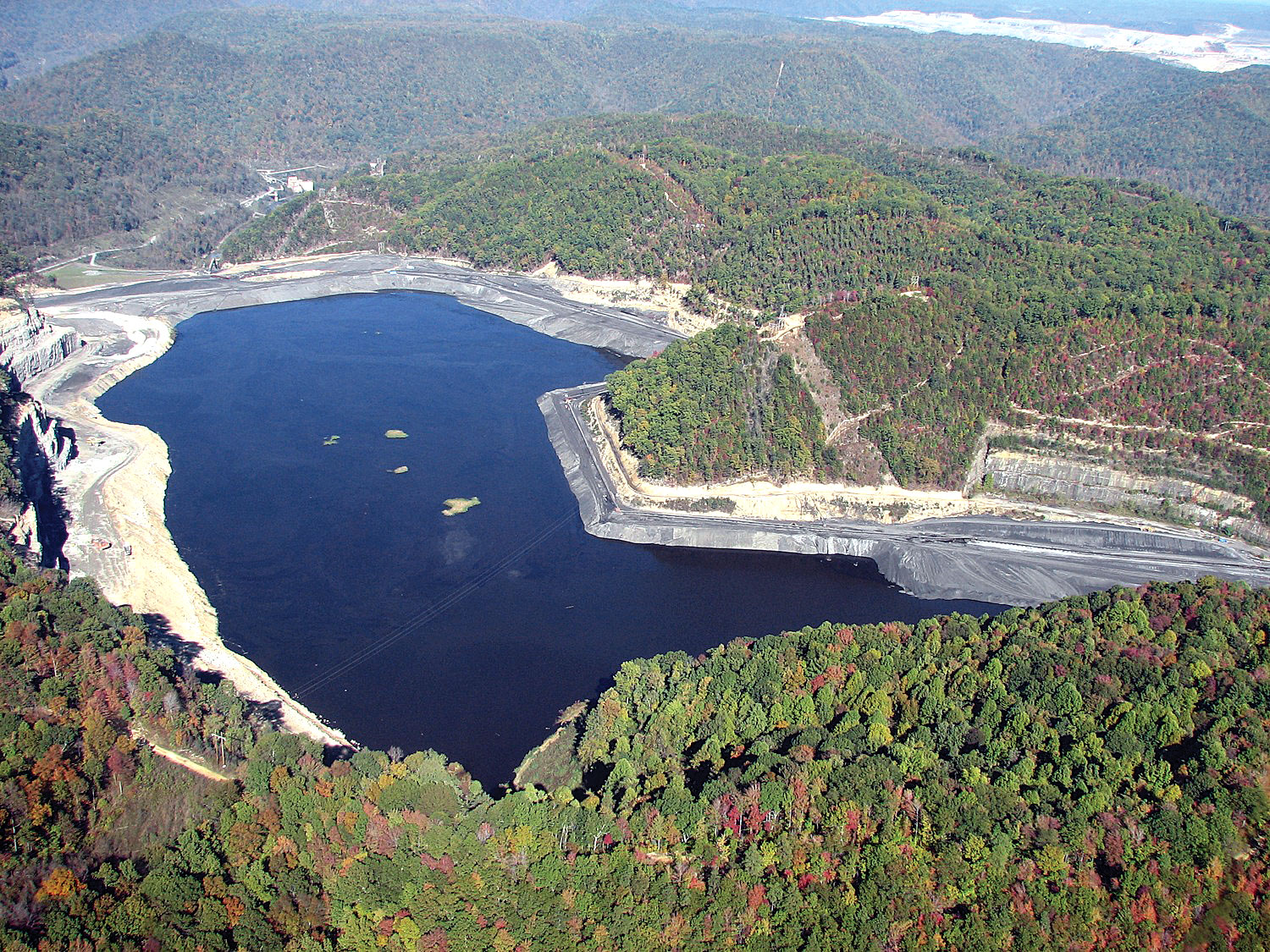
OSM Approves Expansion of Appalachia’s Largest Slurry Impoundment
The Federal Office of Surface Mining recently approved an expansion of the Brushy Fork impoundment in West Virginia — one of the largest slurry disposal sites in the country — to hold two billion more gallons of the waste produced from washing coal. Unless the West Virginia Dept. of Environmental Protection denies the expansion, the earthen dam holding back billions of gallons of coal waste will expand to nearly 750-feet tall, larger than the Hoover Dam.
Photo by Vivian Stockman
Virginia Transportation Board OKs Coalfields Expressway
In February, Virginia’s Commonwealth Transportation Board approved two sections of the Coalfields Expressway despite environmental impacts and public concerns that the route will bypass communities that could possibly benefit from the highway project. Proposed by Alpha Natural Resources, the four-lane highway project would begin as a 26-mile mountaintop removal coal mine. By proposing a public-private partnership with the Virginia Department of Transportation, Alpha Natural Resources substantially reduced VDOT’s estimated costs. The project is under review by the Federal Highway Administration, which will either give VDOT approval to move forward with construction, or require a supplemental environmental study.
More Research Links Mountaintop Removal and Poor Health
A recent study focused in eastern Kentucky is the latest in a line of research by West Virginia University’s Dr. Michael Hendryx linking mountaintop removal to poor health in nearby communities. Published in the online “Journal of Rural Health,” the article compares survey responses gathered in counties where mountaintop removal occurs to counties where it does not. After ruling out factors including tobacco use, income, education and obesity, the study found that residents of Floyd County, Ky., suffer a 54 percent higher rate of death from cancer than residents of nearby Elliott and Rowan counties. Previous studies have found that cancers and other health problems increase with the amount of mining that occurs nearby. Researchers recommend that a more comprehensive study measure air and water quality to reveal exposure to pollutants.
Greenhouse Gas Rules May Have to Wait
The announcement of the EPA’s long-awaited plan to regulate carbon emissions from existing power plants last spring brought cheers from environmental groups and added to fervorous accusations of an Obama-led “war on coal.” Now that the deadline for the rule has arrived, the agency is likely to revisit its provisions and limits. As proposed, the rule would impact new power plants and permitted plants that have not begun construction by limiting carbon emissions to 1,000 pounds per megawatt-hour of electrical output — a level unlikely to be met by coal-fired power plants. Regardless of when the rule is finalized, it is almost certain to be challenged by the coal industry and receive substantial congressional attention. The delay comes as abundant natural gas is causing coal plant retirements and making the construction of new coal-fired units uneconomical. The EPA will likely reintroduce the rule for another round of public comments.
Related Articles
Latest News
More Stories
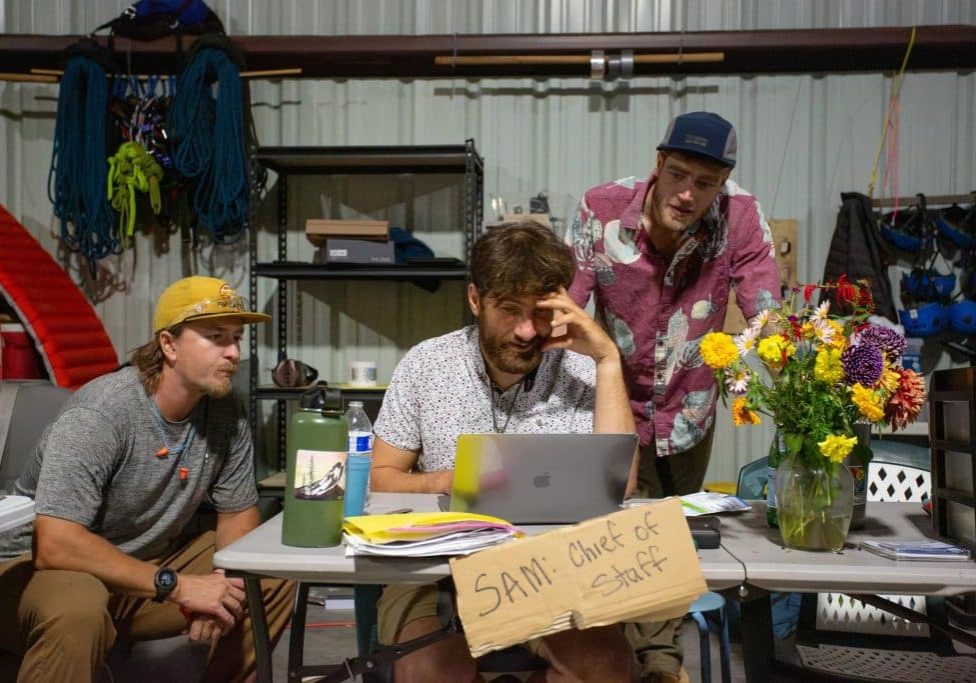
Neighbors Help Neighbors
A photo essay that celebrates the volunteer spirit of the grassroots group Hurricane Helene WNC and speaks to the resourcefulness, collaboration and hard work embodied by thousands and thousands of volunteers, first responders and aid workers across the region after Hurricane Helene.

Halloween Approaches, and Night School Is in Session
The House of Art in Bluefield, West Virginia, looks like a haunted tower, making it the perfect location for its sixth annual haunt event: Night School. The Night School will be open every Friday and Saturday night through Oct. 31.
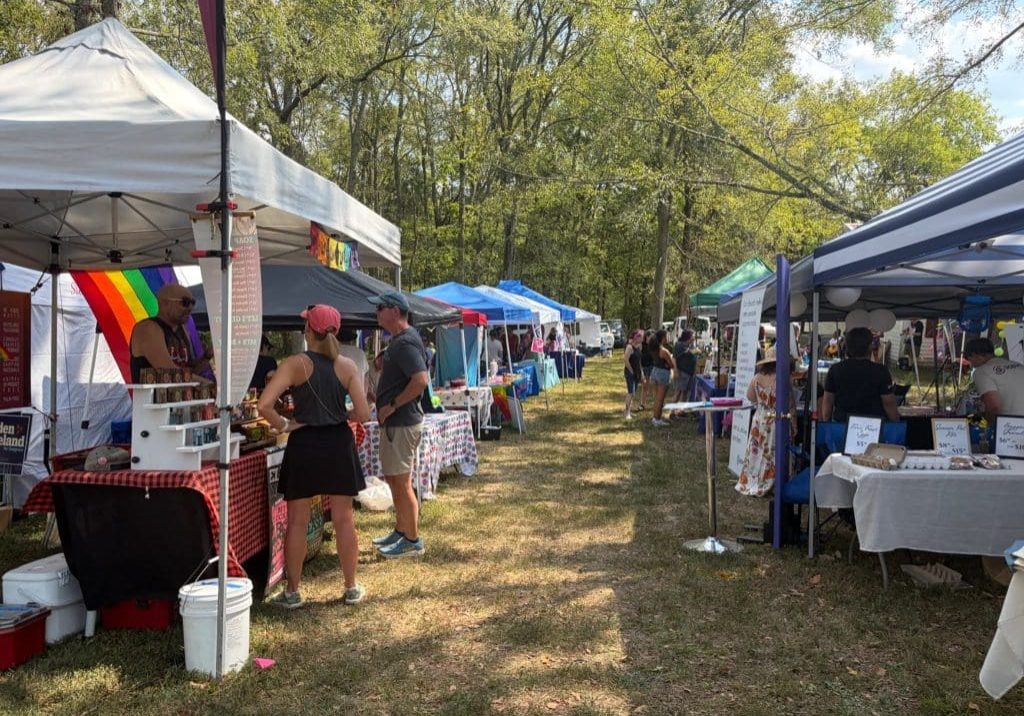
‘The Most Perfect Act of Love’
Hundreds of people attended the second annual Affirming Sumner Pride celebration on a 24-acre farm dubbed “Fruity Farm” in Bethpage, Sumner County, Tennessee.

Signs of Life: Endangered Bats Found in Nantahala for First Time in More Than a Decade
In the Nantahala National Forest, a team of biologists spotted Indiana bats, an endangered species that hasn’t been seen in North Carolina for the last 11 years.

‘First Line of Defense’
During Hurricane Helene and its aftermath, rural fire departments and other first responder hubs played critical roles in keeping their communities safe, even without power and cut off from outside support for days or weeks after the storm. Two years later, plenty of work remains to ensure these hubs have the resources they need to operate day to day and be ready when emergencies or natural disasters strike.
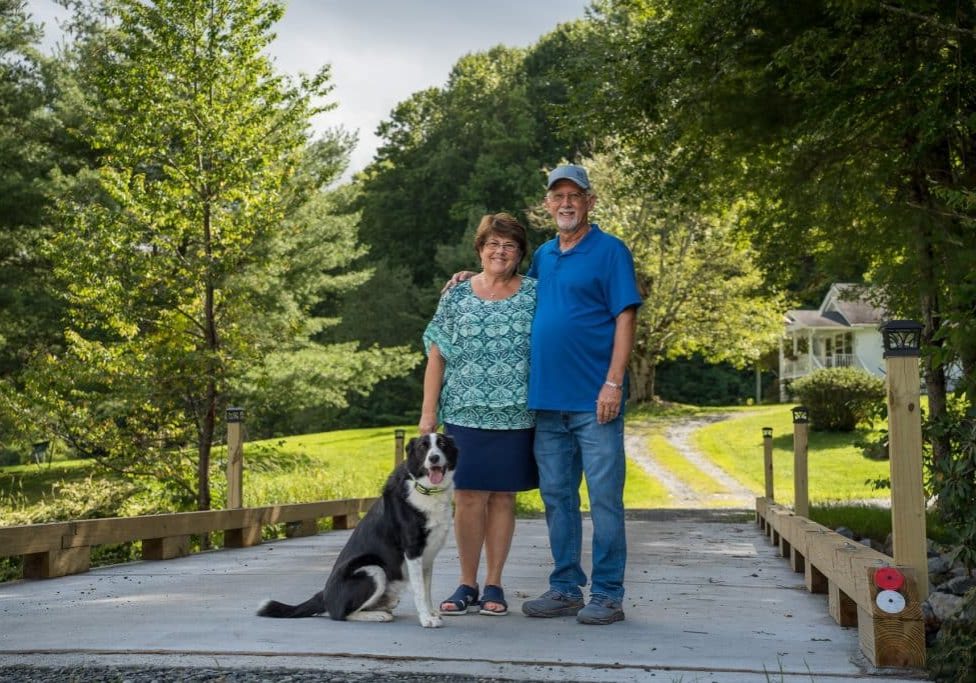
The Rocky Road — and Bridge — to Recovery
Hurricane Helene is estimated to have damaged nearly 7,000 private roads and bridges in Western North Carolina. Two years later, many restoration projects are complete, but the journey hasn’t been easy — and isn’t over for others.

Leave a comment
Your email address will not be published. Required fields are marked *
Leave a Comment