

Storming Capital Hill
 On June 2, more than 150 people gathered in Washington, D.C., for the 7th annual End Mountaintop Removal Week in Washington, sponsored by The Alliance for Appalachia. After a day of training, participants spent three days meeting with Congressional representatives to urge them to support legislation restoring the Clean Water Act to its original language, as well as talking with federal agencies tasked with regulating coal mining and its impacts.
On Wed., June 6, a Rally for Appalachia took place in the Upper Senate Park across from the Capitol building. More than 100 people attended to listen to speakers and watched as more than six people shaved their heads in a show of mourning for mountains destroyed by mountaintop removal coal mining.
In addition, thousands of individuals across the country joined the action from afar by contacting or visiting their congressional representative district offices. Independent groups working with AppRising simultaneously staged peaceful sit-ins at four offices throughout Capitol Hill.
By the third day of the Week in Washington, the Clean Water Protection Act, the Alliance’s legislation in the House, had garnered 125 bi-partisan co-sponsors from all across the country. Recent cosponsors include Representatives Mike Fitzpatrick (R-PA), Hansen Clarke (D-MI), Janice Hahn (D-CA) and Carolyn Maloney (D-NY).
For more information about the Alliance’s efforts to end mountaintop removal coal mining, and to see images from this year’s event, visit iLoveMountains.org.
Related Articles
Latest News
More Stories
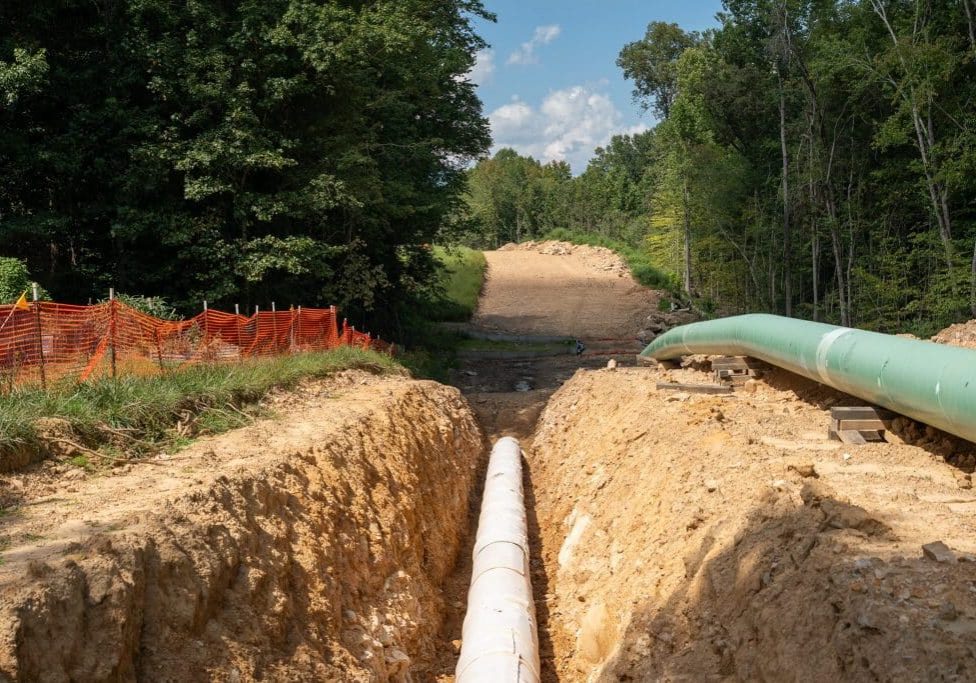
Ridgeline Pipeline Construction Impacts in Rural East Tennessee
Neighbors share about noise, unpredictable construction schedules and other disruptions due to methane gas pipeline construction in East Tennessee. The 122-mile Ridgeline Expansion Project, constructed and owned by East Tennessee Natural Gas, a subsidiary of Enbridge, a multibillion-dollar Canadian fossil fuel company, was approved to go into service Nov. 1.

Neighbors Help Neighbors
A photo essay that celebrates the volunteer spirit of the grassroots group Hurricane Helene WNC and speaks to the resourcefulness, collaboration and hard work embodied by thousands and thousands of volunteers, first responders and aid workers across the region after Hurricane Helene.

Halloween Approaches, and Night School Is in Session
The House of Art in Bluefield, West Virginia, looks like a haunted tower, making it the perfect location for its sixth annual haunt event: Night School. The Night School will be open every Friday and Saturday night through Oct. 31.

‘The Most Perfect Act of Love’
Hundreds of people attended the second annual Affirming Sumner Pride celebration on a 24-acre farm dubbed “Fruity Farm” in Bethpage, Sumner County, Tennessee.

Signs of Life: Endangered Bats Found in Nantahala for First Time in More Than a Decade
In the Nantahala National Forest, a team of biologists spotted Indiana bats, an endangered species that hasn’t been seen in North Carolina for the last 11 years.

‘First Line of Defense’
During Hurricane Helene and its aftermath, rural fire departments and other first responder hubs played critical roles in keeping their communities safe, even without power and cut off from outside support for days or weeks after the storm. Two years later, plenty of work remains to ensure these hubs have the resources they need to operate day to day and be ready when emergencies or natural disasters strike.

Leave a comment
Your email address will not be published. Required fields are marked *
Leave a Comment