

Saving Our Natural Heritage
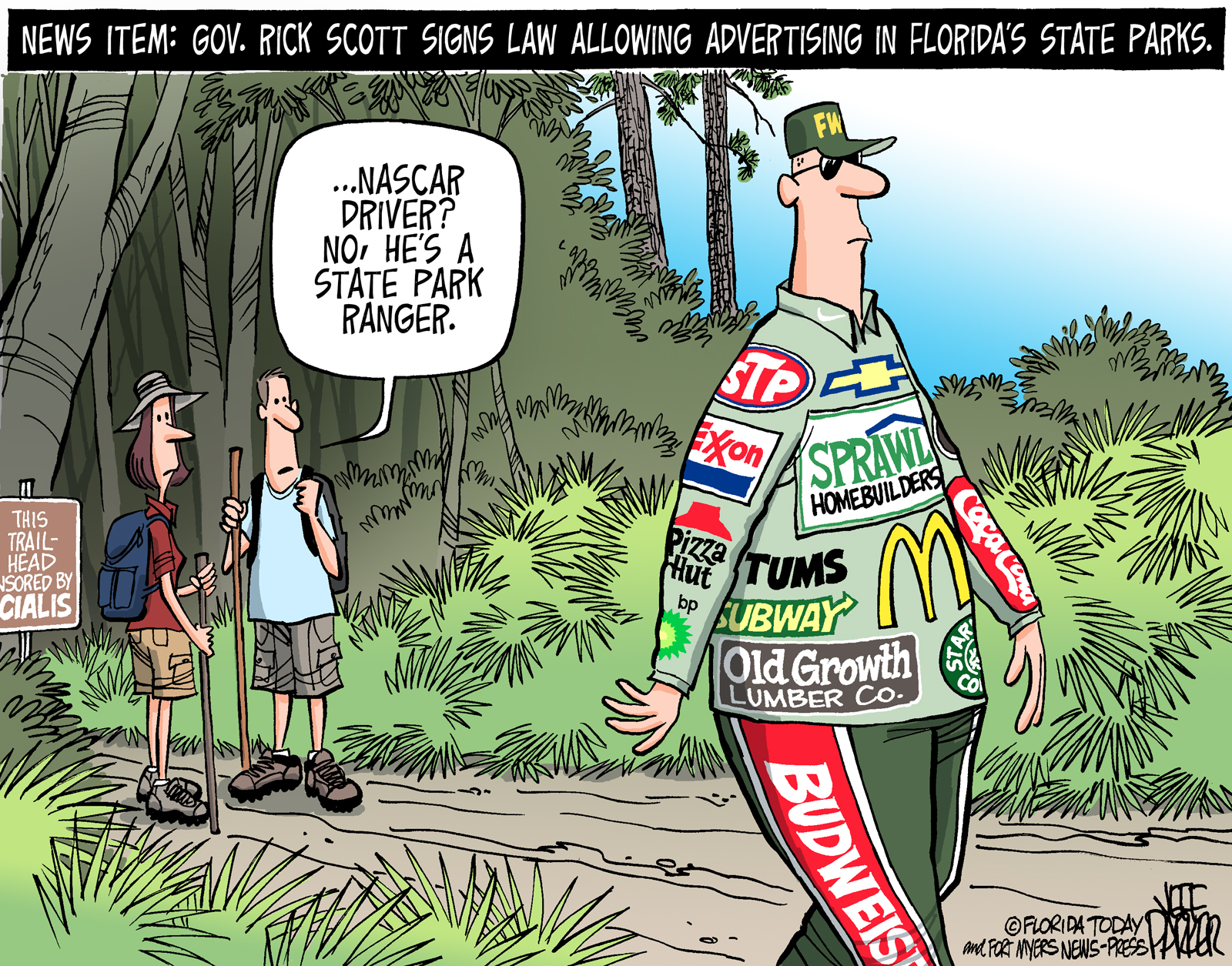 The American spirit is tied to the land, to “purple mountain majesties” and the pioneer’s self-reliance. Our relationship with the natural world has always been a balancing act between the drives of conquest and extraction and an instinctual dependence, curiosity and respect.
When we fail to guard our public lands against those who would tilt that balance into the deep pockets of a greedy few, we are selling out the American spirit. Supporters of big industry try to decry the very presence of public land, implying that the word “public” violates our freedom. That couldn’t be further from the truth — the public is us, and this is our land.
The American Legislative Exchange Council — the ultra-conservative lobby group that championed mandatory IDs for voters and launched preemptive attacks on regulation of coal ash — has set its sights on reducing protections for public lands. ALEC is behind proposals that would benefit extractive industry by transferring ownership of federal wilderness areas to states, undermine the president’s ability under the century-old Antiquities Act to establish national monuments, and roll back the Endangered Species Act.
A slew of bills would impose costly penalties for groups or individuals that challenge leasing and drilling decisions on public lands. Extractive industries claim their access to public land is unfairly restricted, even though they have more public land than they need — over 20 million acres of federal land leased by these industries are unused.
Legislation was also introduced this spring, ironically called the Sportsman’s Heritage Act, that claims to open wilderness for hunters and anglers, but would actually lead to the intrusion of more roads and logging in wild areas that are already open to hunting. Opponents to the bill see it as a petty attempt to divide hunters and conservationists and prevent them from standing up for their shared resources.
Yet if there’s one thing Americans agree on, it’s the protection of our public lands, even if some of our elected officials don’t understand the land’s value.
Undeveloped public lands help to clean our air and water, and provide economic boons to municipalities across the country via recreation and tourism. Americans have a public covenant to protect our remaining wild places for future generations.
Championing the short-term wishes of corporate power brokers over long-term needs to protect our health and local communities means that profit wins out over humanity.
It’s up to us to determine whether this is the moment in history where our natural heritage is sold to the highest bidder or where the voices of the people unite to protect our public lands.
Related Articles
Latest News
More Stories

Halloween Approaches, and Night School Is in Session
The House of Art in Bluefield, West Virginia, looks like a haunted tower, making it the perfect location for its sixth annual haunt event: Night School. The Night School will be open every Friday and Saturday night through Oct. 31.
‘The Most Perfect Act of Love’
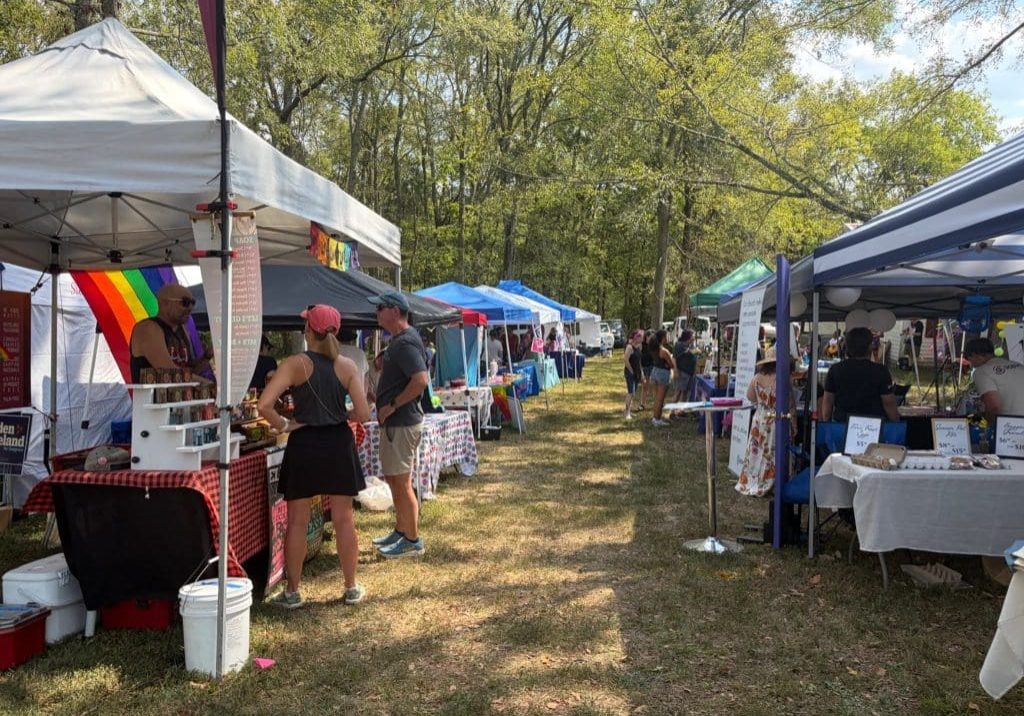
After losing its rural pride celebration, hundreds of people attended the second annual Affirming Sumner Pride celebration on a 24-acre farm dubbed “Fruity Farm” in Bethpage, Sumner County, Tennessee.
Signs of Life
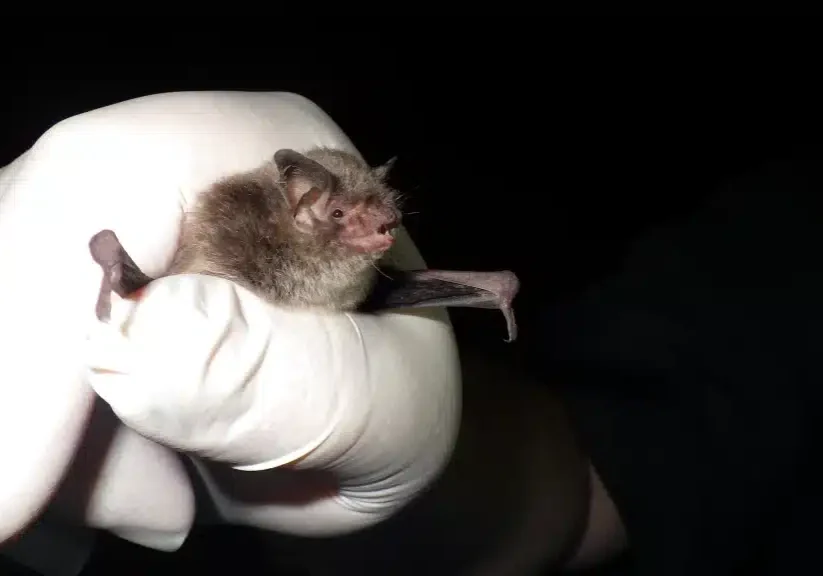
In the Nantahala National Forest, a team of biologists spotted Indiana bats, an endangered species that hasn’t been seen in North Carolina for the last 11 years.
‘First Line of Defense’
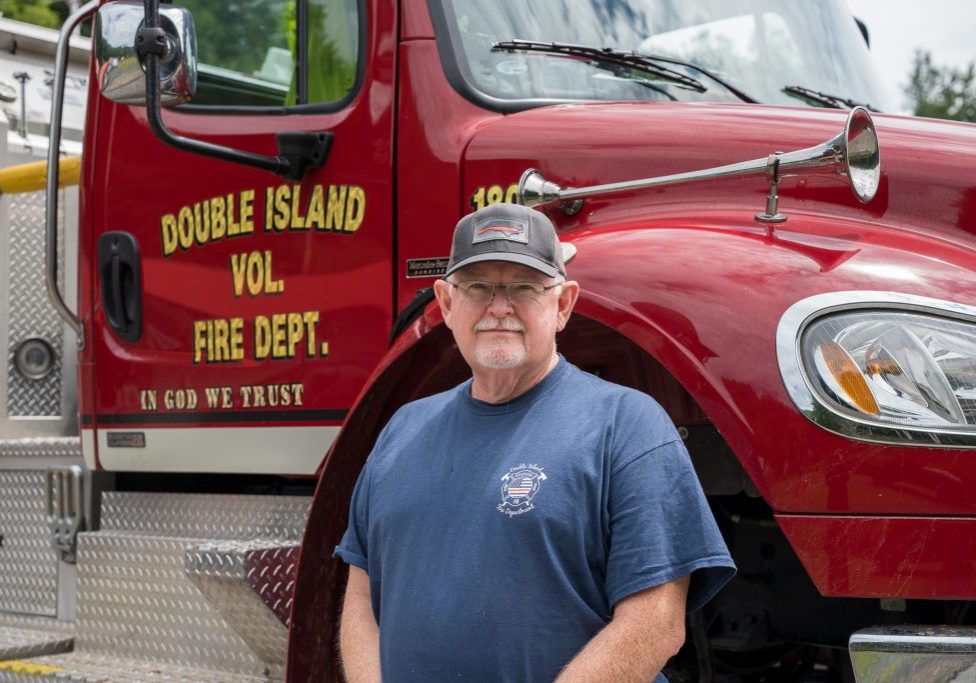
During Hurricane Helene and its aftermath, rural fire departments and other first responder hubs played critical roles in keeping their communities safe, even without power and cut off from outside support for days or weeks after the storm. Two years later, plenty of work remains to ensure these hubs have the resources they need to operate day to day and be ready when emergencies or natural disasters strike.
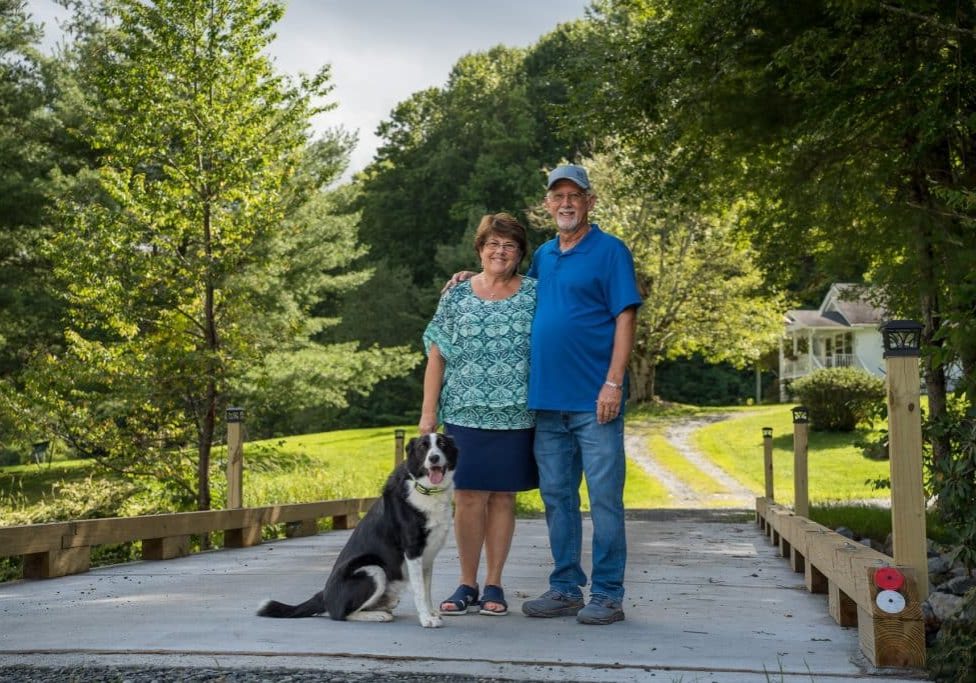
The Rocky Road — and Bridge — to Recovery
Hurricane Helene is estimated to have damaged nearly 7,000 private roads and bridges in Western North Carolina. Two years later, many restoration projects are complete, but the journey hasn’t been easy — and isn’t over for others.
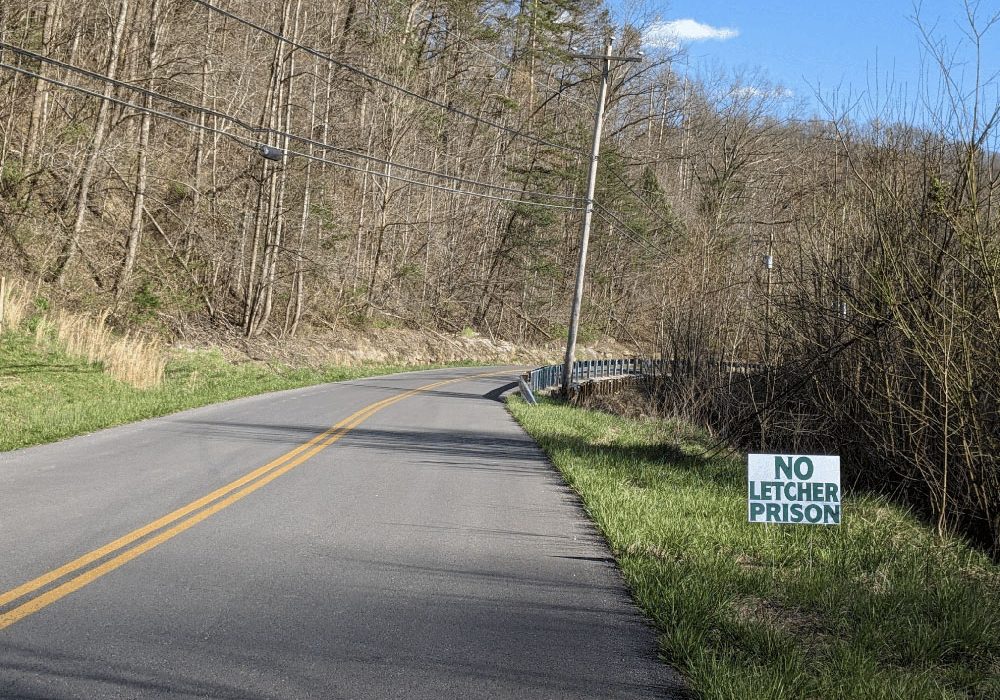
After 20 Years, Letcher County Prison Proposal Is Still Alive, Though Obstacles Remain
A $605 million proposal for a federal prison on a former strip mine site in Letcher County, Kentucky, championed by U.S. Rep. Hal Rogers, refuses to die, despite local opposition, a lack of support from the executive branch and numerous other obstacles.

Leave a comment
Your email address will not be published. Required fields are marked *
One response to “Saving Our Natural Heritage”
-

ALEC has its claws in the New Mexico legislature as well. But my spirits were buoyed yesterday during a rally at the state capital. Hundreds showed up in support of public lands, and to thwart bills that may be heading to committee that would set the stage for a federal land transfer.

Leave a Comment