

Most Sweeping Public Lands Bill in Decades Becomes Law
President Donald Trump signed the bipartisan John D. Dingell Jr. Conservation, Management, and Recreation Act on March 12, designating 1.3 million acres of new wilderness among other public lands provisions. Many of the act’s congressional supporters praised it for being the most sweeping of its type in a decade. The act is a conglomeration of more than 100 separate bills.
This legislation permanently authorizes the Land and Water Conservation Fund, although it does not guarantee funding.The federal fund was created in 1964 to protect America’s natural areas. It has broad bipartisan support and is financed by $900 million annually in offshore drilling revenue, though Congress determines how much of that money goes towards the fund’s conservation purposes. It expired in September 2018 and lost more than $403 million during the following months, according to the LWCF Coalition, a group that advocates for the fund. Trump’s 2020 budget proposal does not include any money for the fund, though the president’s budget is essentially a non-binding recommendation.
Additionally, the act opens all public lands to hunting unless specifically prohibited. It reauthorizes and funds the Neotropical Migratory Bird Act, protecting habitat for 368 migratory bird species. Further, it continues a program that allows the U.S. Fish and Wildlife Service to provide assistance to landowners who take certain steps to protect key habitats. The act also permanently withdraws federal mineral rights for parcels of land near Yellowstone National Park and North Cascades National Park, preventing future mining in those areas.
The bill marks the creation of new public lands in Appalachia, including Mill Springs Battlefield National Monument and Camp Nelson National Monument in Kentucky, which was recently designated by the president under the Antiquities Act. Kennesaw Mountain National Battlefield Park in Georgia will be expanded by eight acres. — By Jen Kirby
Related Articles
Latest News
More Stories

Signs of Life
In the Nantahala National Forest, a team of biologists spotted Indiana bats, an endangered species that hasn’t been seen in North Carolina for the last 11 years.

‘First Line of Defense’
During Hurricane Helene and its aftermath, rural fire departments and other first responder hubs played critical roles in keeping their communities safe, even without power and cut off from outside support for days or weeks after the storm. Two years later, plenty of work remains to ensure these hubs have the resources they need to operate day to day and be ready when emergencies or natural disasters strike.

The Rocky Road — and Bridge — to Recovery
Hurricane Helene is estimated to have damaged nearly 7,000 private roads and bridges in Western North Carolina. Two years later, many restoration projects are complete, but the journey hasn’t been easy — and isn’t over for others.

After 20 Years, Letcher County Prison Proposal Is Still Alive, Though Obstacles Remain
A $605 million proposal for a federal prison on a former strip mine site in Letcher County, Kentucky, championed by U.S. Rep. Hal Rogers, refuses to die, despite local opposition, a lack of support from the executive branch and numerous other obstacles.
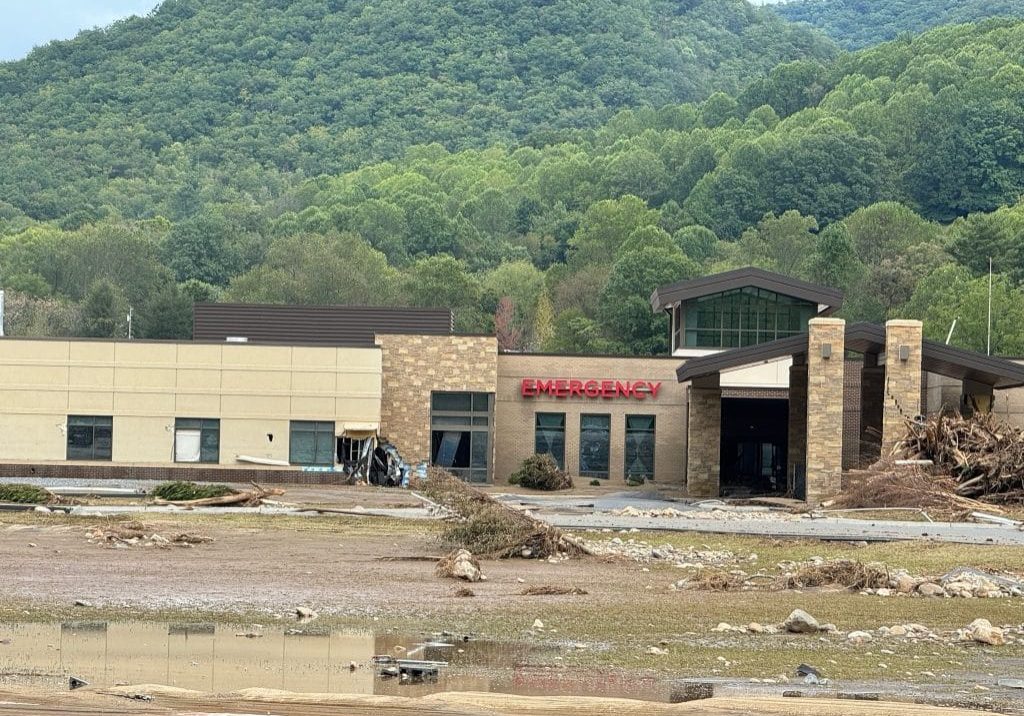
The Washout and Rebuild
For nearly two years, residents of Unicoi County, Tennessee, have had to make do without a hospital after Hurricane Helene destroyed the rural hospital. Ballad Health, which owns the hospital, broke ground on a new location — in another floodplain — in August 2026.
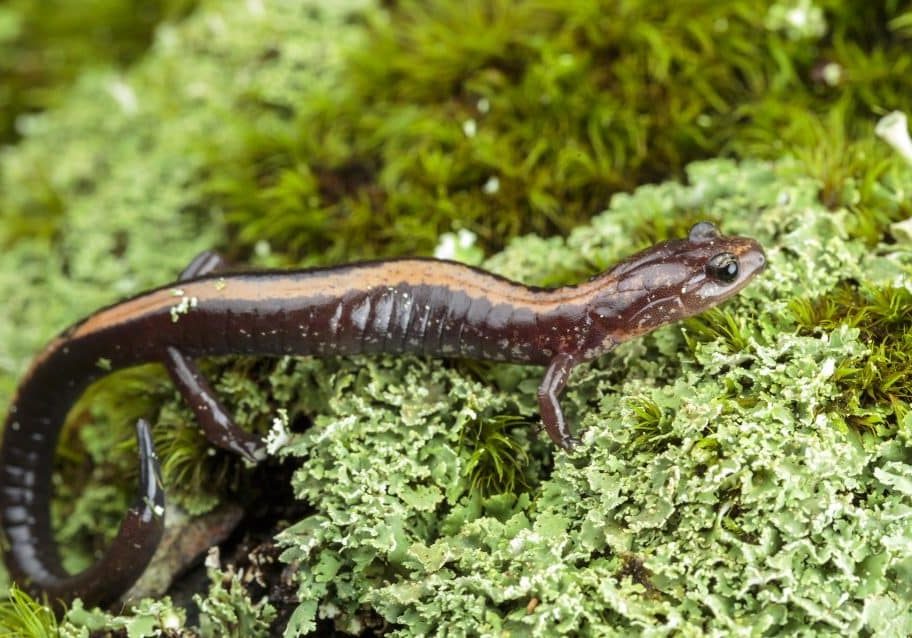
The Shenandoah Salamander
The Shenandoah salamander is a woodland salamander, which has adapted to life at higher elevations away from water. This sparkling rarity lives among the dry leaves, cracked logs, and stony hillocks on the highest peaks of Shenandoah National Park.

Leave a comment
Your email address will not be published. Required fields are marked *
Leave a Comment