

By Meg Holden
Interested in going “back to the land”? What about “back to the lawn”? Build a self-sufficient salad out of greens available in your own back yard. Here are three plants that grow as weeds in our region, but are edible both raw and cooked.
Lamb’s Quarters
Chenopodium belandieri
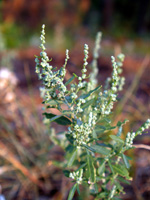
Chenopodium belandieri
Lamb’s quarters, also known as goosefoot or pigweed, is a common weed found on the fringes of gardens, fields and riverbanks. The plant can grow to about three feet tall and is identifiable by its triangular, serrated leaves, spiked inflorescence and honeycomb-pitted seeds.
A relative of quinoa, Chenopodium was domesticated by the Aztec in pre-Columbian Mexico, but cultivation of the crop was forbidden by Spanish conquistadors. Now, 400 years later, there is nothing stopping you from enjoying this delicious green.
The taste of lamb’s quarters has been compared to spinach or kale. Steam the leaves with a small amount of water for a quick vegetable accompaniment to any meal, use the raw leaves in a salad, or substitute lamb’s quarters for collards, spinach, kale, or chard in your favorite recipes.
Common Plantain
Plantago major
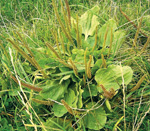
Plantago Major
Common plantain is one of the most common yard weeds besides dandelions and clover—you probably have it growing in your yard right now. Brought to America by European settlers, the plant spread so rapidly that the Native Americans called it “white man’s footprint.” Plantain is now found across the United States, its oval leaves and flower stalks decorating lawns from mid-spring to late fall.
Much like lamb’s quarters, the young leaves of plantain can be eaten raw in a salad or cooked like greens. As the leaves grow, they become tough, stringy and strongly flavored. Older leaves are better brewed into tea or stock. Flower stalks can be eaten raw or cooked.
Plantain’s medicinal qualities are recorded as far back as Pliny, who claimed the plant could cure a dog of madness. Whether or not that is correct, the leaves can be used as a dressing on cuts, stings and scrapes; the plant’s antibacterial properties are said to reduce scarring. A tea made of plantain leaves is often used as a cold and flu remedy.
Chickweed
Stellaria media
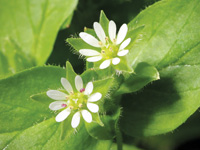
Stellaria media
Chickweed seems to be everywhere once you start looking. This trailing plant grows in lawns, gardens and flower beds. Look for branching stems that grow low to the ground, rooting at every leaf junction; smooth, oval, opposite leaves; and tiny white flowers with five petals so deeply split that they look like ten.
Eurasian in origin, chickweed usually germinates in the fall, lays dormant in the winter and flowers in the spring. In cool climates, chickweed can survive through most of the summer, but hot, dry weather brings an end to its growing season. The best times to harvest chickweed for consumption are in the spring and fall.
Chickens love to eat chickweed leaves and seeds, hence its name. The plant can be fed to pet birds or livestock—if you do not want to eat it all yourself. High levels of vitamin C make chickweed a great pick-me-up ingredient in salads. The leaves can also be cooked like greens, or you can make a pesto with chickweed leaves, garlic, olive oil and nuts.
Related Articles
Latest News
More Stories
Signs of Life
In the Nantahala National Forest, a team of biologists spotted Indiana bats, an endangered species that hasn’t been seen in North Carolina for the last 11 years.

‘First Line of Defense’
During Hurricane Helene and its aftermath, rural fire departments and other first responder hubs played critical roles in keeping their communities safe, even without power and cut off from outside support for days or weeks after the storm. Two years later, plenty of work remains to ensure these hubs have the resources they need to operate day to day and be ready when emergencies or natural disasters strike.

The Rocky Road — and Bridge — to Recovery
Hurricane Helene is estimated to have damaged nearly 7,000 private roads and bridges in Western North Carolina. Two years later, many restoration projects are complete, but the journey hasn’t been easy — and isn’t over for others.
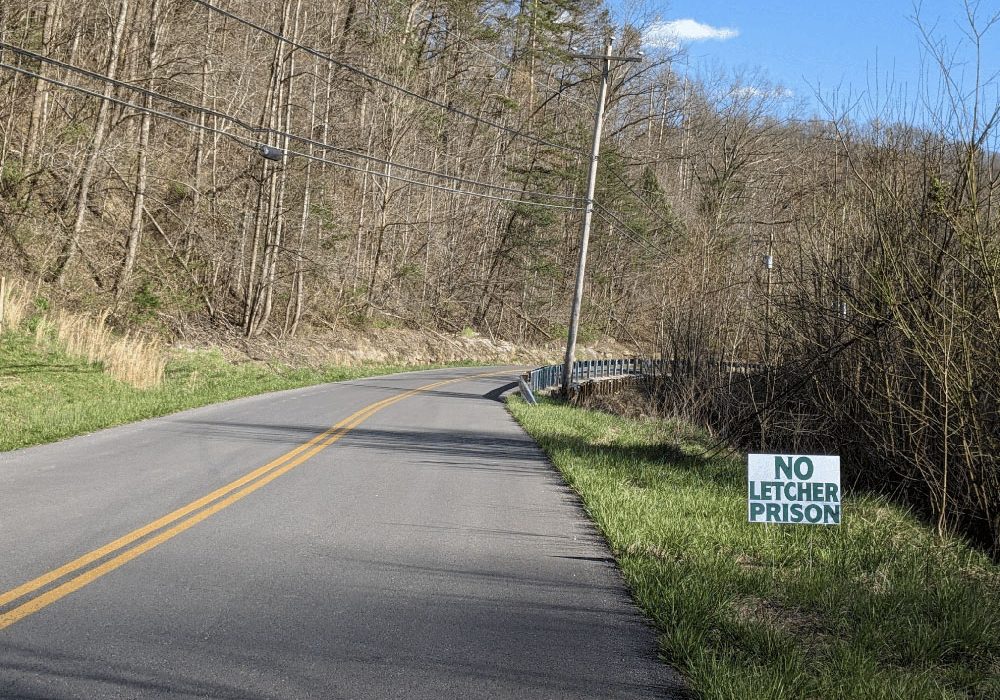
After 20 Years, Letcher County Prison Proposal Is Still Alive, Though Obstacles Remain
A $605 million proposal for a federal prison on a former strip mine site in Letcher County, Kentucky, championed by U.S. Rep. Hal Rogers, refuses to die, despite local opposition, a lack of support from the executive branch and numerous other obstacles.
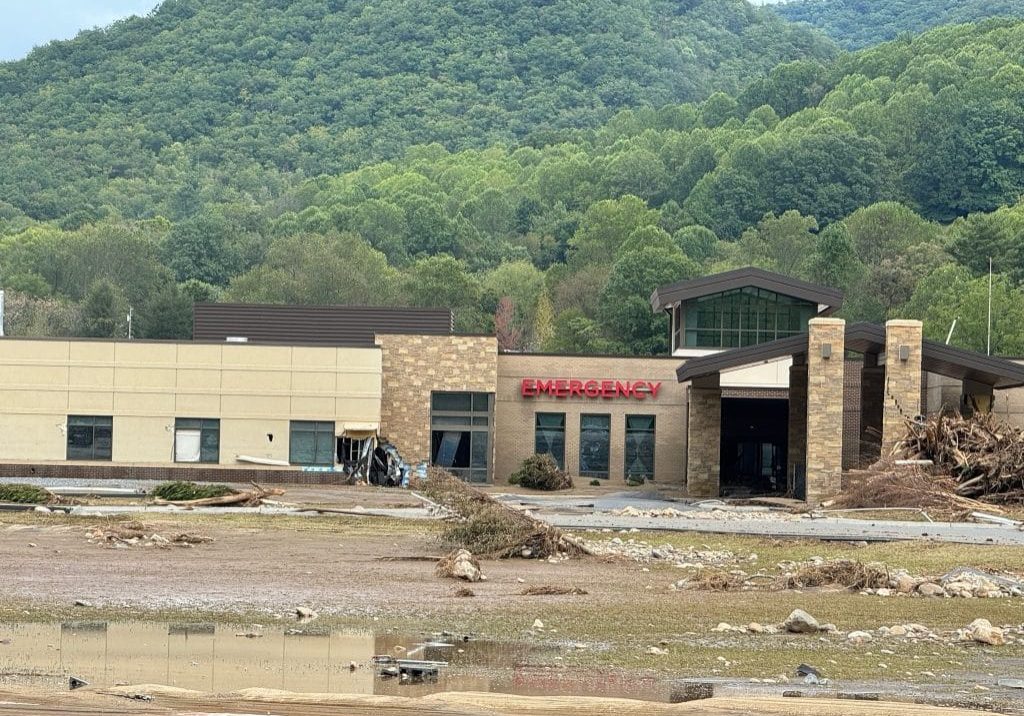
The Washout and Rebuild
For nearly two years, residents of Unicoi County, Tennessee, have had to make do without a hospital after Hurricane Helene destroyed the rural hospital. Ballad Health, which owns the hospital, broke ground on a new location — in another floodplain — in August 2026.
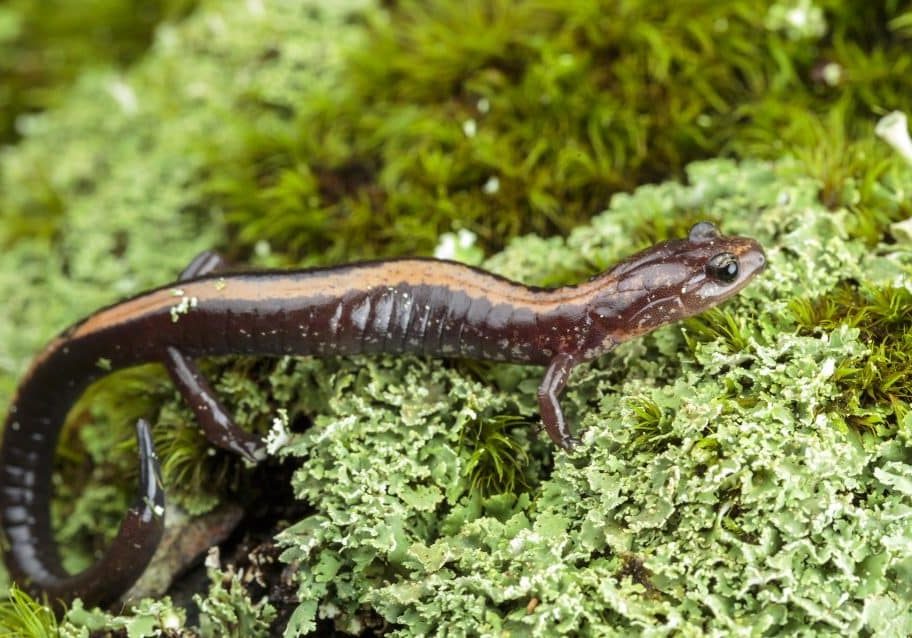
The Shenandoah Salamander
The Shenandoah salamander is a woodland salamander, which has adapted to life at higher elevations away from water. This sparkling rarity lives among the dry leaves, cracked logs, and stony hillocks on the highest peaks of Shenandoah National Park.

Leave a comment
Your email address will not be published. Required fields are marked *
Leave a Comment