

Bunkbeds Never Looked So Good
By Julie Johnson
Hosteleers, your green dream is about to arrive. This June, The Crash Pad, the country’s first LEED certified hostel, will open in Chattanooga, Tenn. Forget the usual rickety bunk beds with questionable linens, crammed five or six to a room. The Crash Pad is a green-minded traveler’s dream hostel.
When Dan Rose and business partner Max Poppel bought an acre of land in Chattanooga’s Southside district, it was a trashed lot with two condemned houses. Rose and Poppel, both avid climbers, saw the potential for a hostel that catered to folks coming for the numerous outdoor adventuring opportunities in the Chattanooga area.
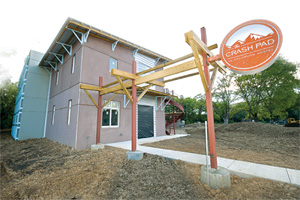
The outside of the new Chattanooga hostel, the Crash Pad
“We want to help further establish Chattanooga as an ultimate outdoor destination,” said Rose. “This sustainably built and operated establishment will provide a base camp and community hub for adventurous travelers.”
The Crash Pad features sleek bunks crafted by Chattanooga’s Haskel Sears Design. A bed in one of the bunks is $27 per night and there are only two bunk beds per room. Each of the four beds sports a privacy curtain, reading light, personal fan and electrical outlet. Private rooms feature a queen bed, constructed of reclaimed lumber, and an in-room sink and run $70 per night.
“We salvaged all the lumber after demolishing the old houses on the property, gave it to Matt Sears, and he used it to create all the beds in the hostel,” said Rose.
Forget the watery coffee and stale bagel tray. “We’re collaborating with our neighbor Niedlov’s, a family-owned organic bakery just down the street,” said Poppel. “Fresh breakfast is included in your cost and coffee from a local roaster is available for free all day.”
The kitchen common area features a recycling center and a custom concrete island inlaid with old climbing and biking gear made by Chattanooga artisans Set in Stone. The company also made sinks for the bathrooms crafted from glass salvaged from broken bottles that littered the property. Each bathroom has a low-flow toilet and shower.
“We decided to construct the building itself out of precast concrete because it’s ideal for both energy efficiency and quiet,” said Poppel.
A green screen on one side of the building will allow vines to crawl up the exterior walls, providing more plant-powered insulation. The roof is a living one, covered with native plants that help absorb sunlight and naturally cool the interior in summer. Natural lighting is used as much as possible and is minimally supplemented by LED and compact fluorescent bulbs
“Though it’s right in the heart of downtown, we’ve managed to provide a full acre of green space,” said Rose.
You can hammock, slack line and picnic to your heart’s content on small hills that have been built up of dirt excavated from the property and sown with native plants and grasses. An outdoor pavilion, made of salvaged bricks and lumber, and wired for light, heat and sound, stands on the foundation of one of the demolished houses.
“We’ve got a huge database of information on outdoor activities,” said Rose. Chattanooga sits in the lush Tennessee River Valley, just between the Appalachian Mountains to the east and the Cumberland Plateau to the west, and is quickly becoming established nationally as a prime location for whitewater boating, climbing, hiking and biking.
When Rose and Poppel decided they wanted the Crash Pad to be as green as possible, they contacted Green Spaces, a non-profit organization that provides incentive funding for area businesses to build sustainably. Green Spaces paid for their LEED certification and part of their living roof.
“We have to give them major credit, as well as all the incredible local craftspeople and builders that made the place come to life,” said Rose.
The Crash Pad will celebrate its grand opening with a ribbon cutting on Friday, June 3. The hostel will officially open for business on June 8th. Visit crashpadchattanooga.com to book reservations.
Related Articles
Latest News
More Stories

‘First Line of Defense’
During Hurricane Helene and its aftermath, rural fire departments and other first responder hubs played critical roles in keeping their communities safe, even without power and cut off from outside support for days or weeks after the storm. Two years later, plenty of work remains to ensure these hubs have the resources they need to operate day to day and be ready when emergencies or natural disasters strike.

The Rocky Road — and Bridge — to Recovery
Hurricane Helene is estimated to have damaged nearly 7,000 private roads and bridges in Western North Carolina. Two years later, many restoration projects are complete, but the journey hasn’t been easy — and isn’t over for others.
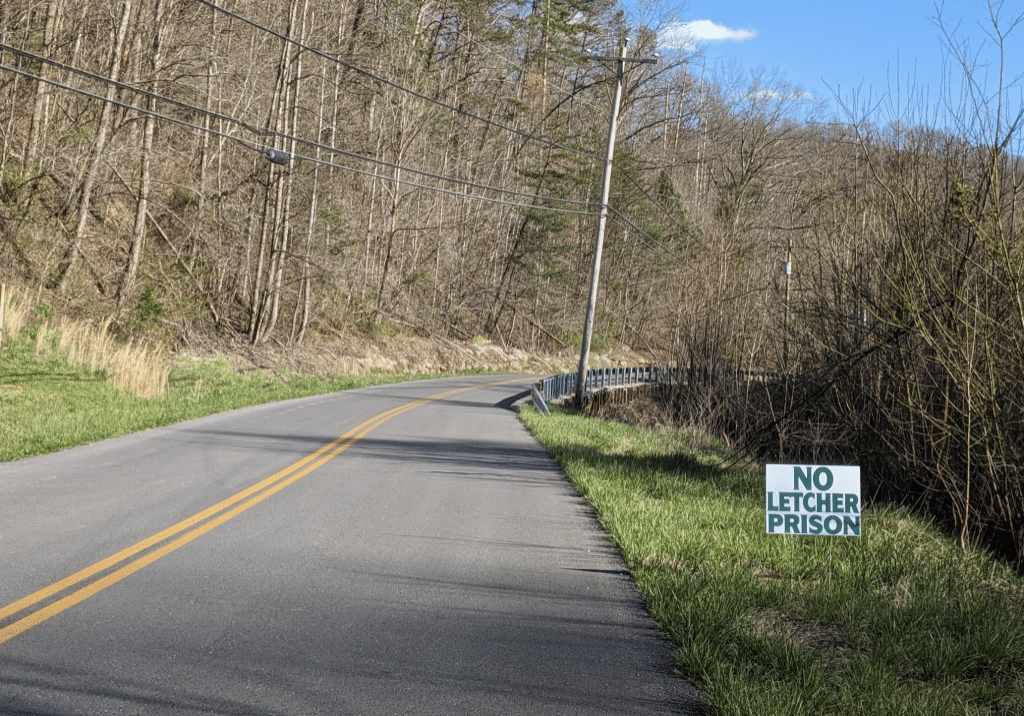
After 20 Years, Letcher County Prison Proposal Is Still Alive, Though Obstacles Remain
A $605 million proposal for a federal prison on a former strip mine site in Letcher County, Kentucky, championed by U.S. Rep. Hal Rogers, refuses to die, despite local opposition, a lack of support from the executive branch and numerous other obstacles.
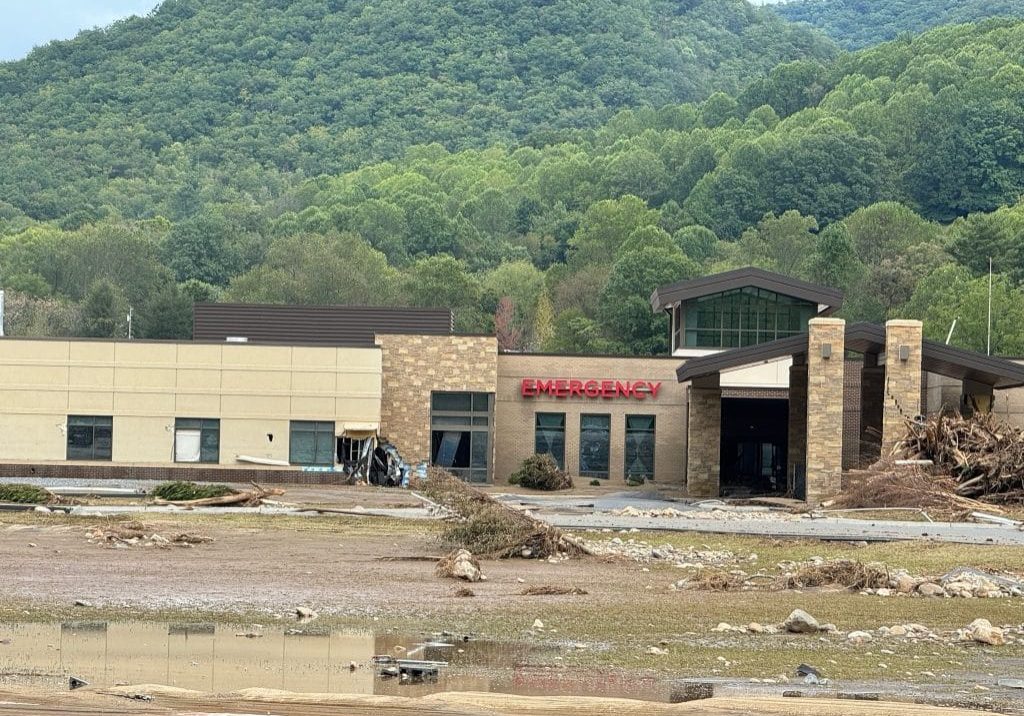
The Washout and Rebuild
For nearly two years, residents of Unicoi County, Tennessee, have had to make do without a hospital after Hurricane Helene destroyed the rural hospital. Ballad Health, which owns the hospital, broke ground on a new location — in another floodplain — in August 2026.

The Shenandoah Salamander
The Shenandoah salamander is a woodland salamander, which has adapted to life at higher elevations away from water. This sparkling rarity lives among the dry leaves, cracked logs, and stony hillocks on the highest peaks of Shenandoah National Park.
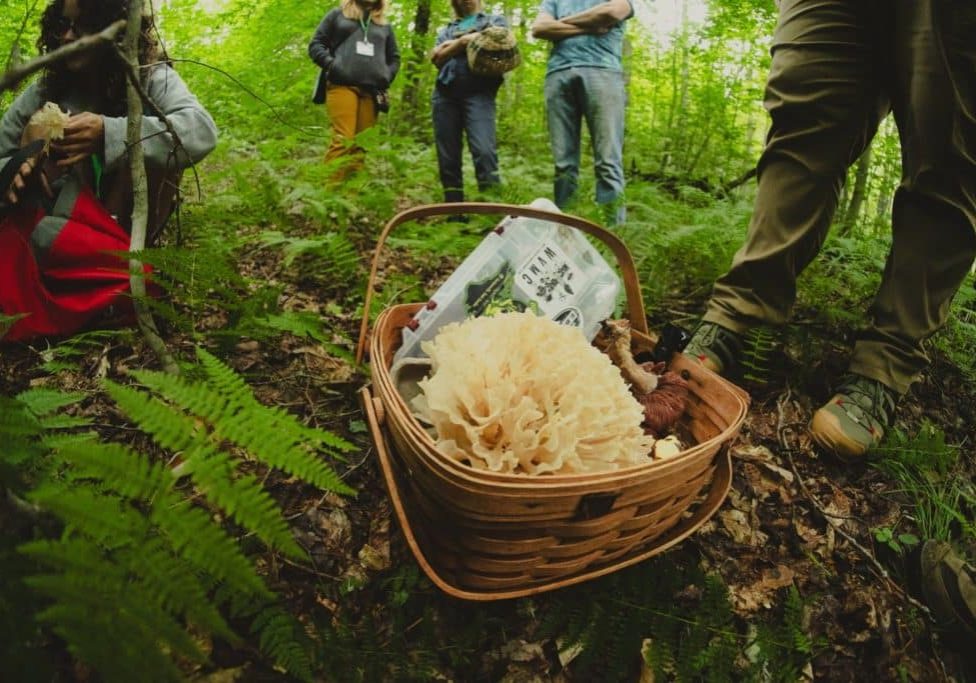
‘Foraging Is a Way of Connecting’
Foraging has experienced a modern resurgence, partly because of social media, online groups, the pandemic and people wanting to connect with nature. It also builds community, whether in person or online.

Leave a comment
Your email address will not be published. Required fields are marked *
Leave a Comment