

Saluting the Women I Want to Be
By Jamie Goodman
My grandmother was a true Appalachian mountain woman.
She stood a mere 5 feet 2 inches, but she was as tall as a tree in my eyes. Her skin was weathered by years of working on the farm; her eyes were water-blue, and her hands scarred and tough. Her back was hunched from years of bending to tend the garden, chop and stack wood, carry water and wash laundry by hand.
She could grab a hot pan of yeast rolls out of the oven without using a towel and carry 60-pound bales of hay on her back to feed the cattle. She crocheted small white ornaments, using sugar water to shape the thread into angels and delicate lace teacups. She mended fences, chased off snakes and sewed gorgeous patchwork quilts from scraps of fabric and my grandfather’s old shirts and ties.
She was a midwife, and would walk miles to help the country doctors deliver babies. She knew the plants in the woods, how to make herbal teas and poultices for croup. She often tended sick neighbors when the doctor couldn’t come. She took care of the animals, one time using her own hands to turn a breached calf in a birthing cow.
She ate country ham nearly every morning of her life, and baked the best biscuits I have ever tasted. Her name was Virginia, but we called her Nanny. She was humble to the point of being self-effacing, always put others before herself and faithfully kept the family Bible updated with new births. She saw the ocean only one time in her entire life.
My grandmother was in her mid-eighties when she stopped tending the farm, 93 when she died in 2002. At her funeral, the pastor spoke of her as though she were the last of the real mountain women, and at the time I believed him. But after researching the amazing women for this issue, I know for a fact this is not true.
While the women of today may not have to be as versed in the art of every-woman-on-the-farm like my grandmother, they are as equally if not more amazing in their contributions to our region. I wish we had enough space in this issue to include all of the spectacular, deserving Appalachian mothers, grandmothers, health care providers, nuns, students, scientists, musicians, teachers, farmers, writers and historians (to name just a few) striving for a better world.
In the following pages, we feature more than 60 women and groups who represent a mere sampling of the ladies who have devoted their lives to work for the health and well-being of our mountain culture, people and environment in their own unique ways.
We thank the folks who helped us compile these stories; without you this would have been next to impossible. Please forgive us for the ones we inadvertently left out, and help us to expand our growing database of fearless, formidable, stupendous and fantastic super women of Appalachia.
Related Articles
Latest News
More Stories

Halloween Approaches, and Night School Is in Session
The House of Art in Bluefield, West Virginia, looks like a haunted tower, making it the perfect location for its sixth annual haunt event: Night School. The Night School will be open every Friday and Saturday night through Oct. 31.
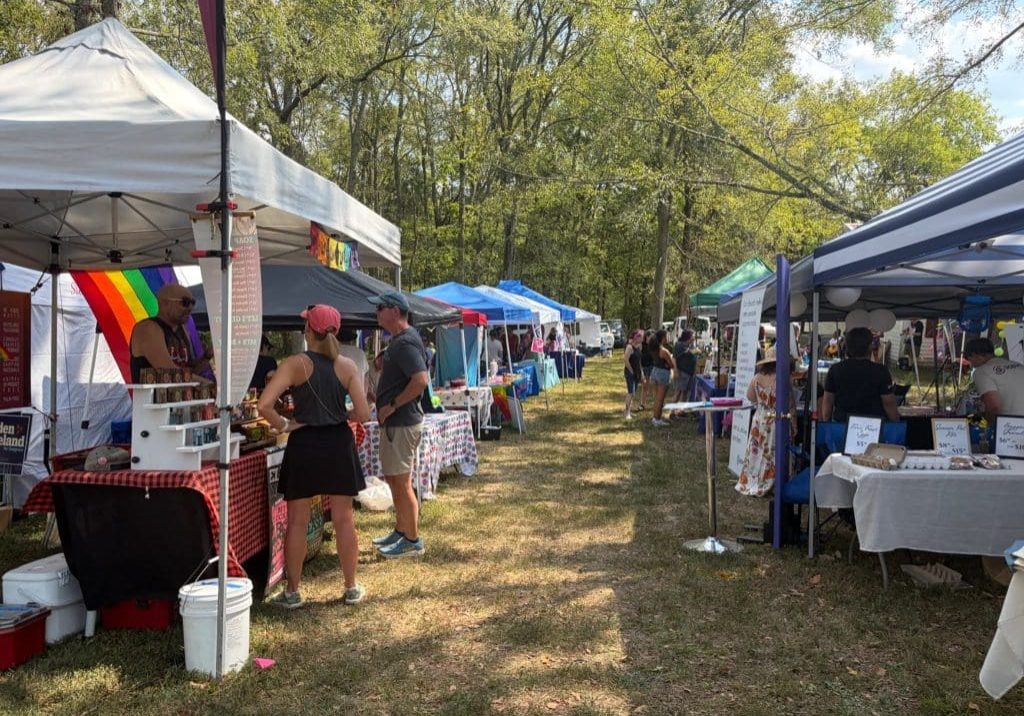
‘The Most Perfect Act of Love’
After losing its rural pride celebration, hundreds of people attended the second annual Affirming Sumner Pride celebration on a 24-acre farm dubbed “Fruity Farm” in Bethpage, Sumner County, Tennessee.
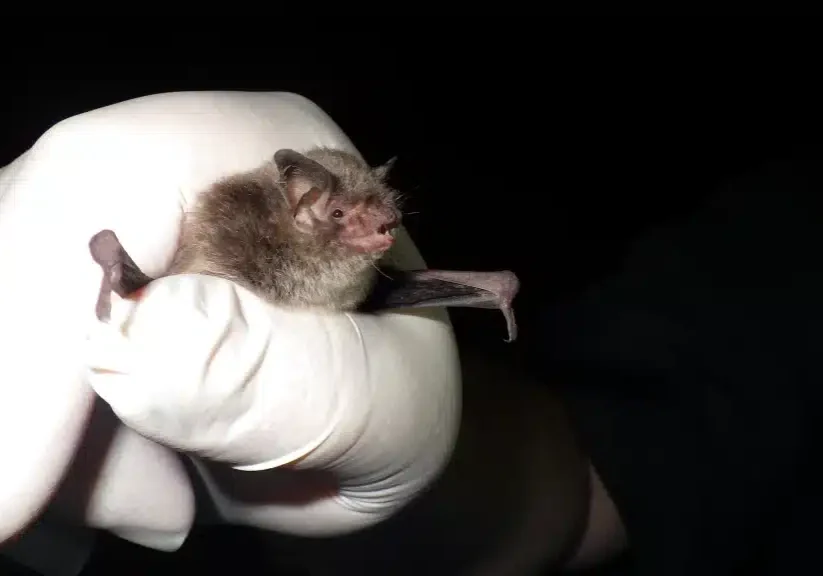
Signs of Life
In the Nantahala National Forest, a team of biologists spotted Indiana bats, an endangered species that hasn’t been seen in North Carolina for the last 11 years.

‘First Line of Defense’
During Hurricane Helene and its aftermath, rural fire departments and other first responder hubs played critical roles in keeping their communities safe, even without power and cut off from outside support for days or weeks after the storm. Two years later, plenty of work remains to ensure these hubs have the resources they need to operate day to day and be ready when emergencies or natural disasters strike.

The Rocky Road — and Bridge — to Recovery
Hurricane Helene is estimated to have damaged nearly 7,000 private roads and bridges in Western North Carolina. Two years later, many restoration projects are complete, but the journey hasn’t been easy — and isn’t over for others.
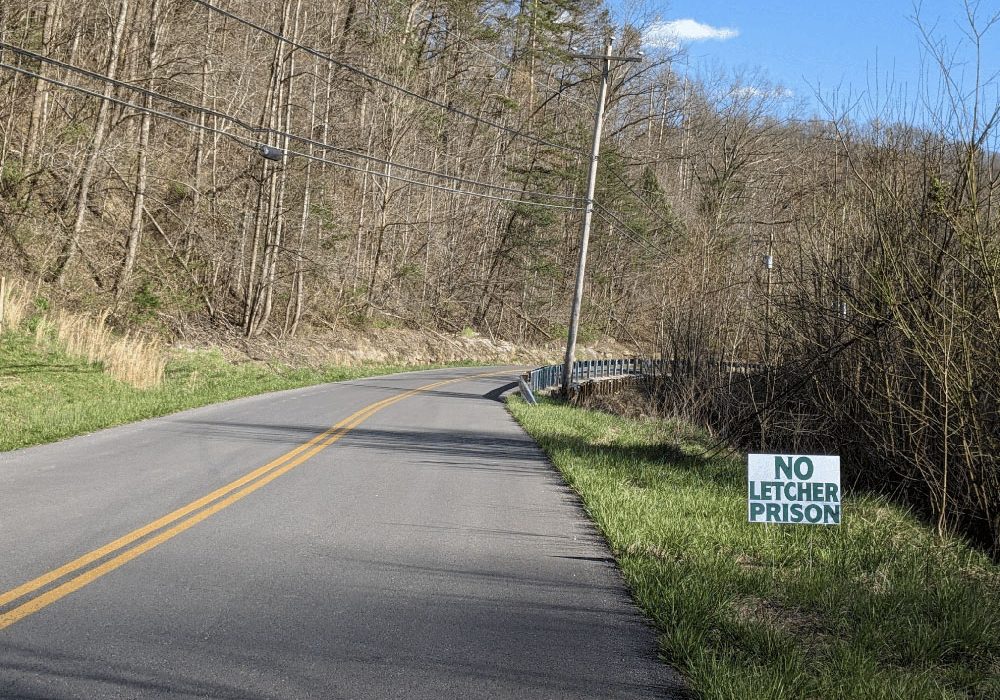
After 20 Years, Letcher County Prison Proposal Is Still Alive, Though Obstacles Remain
A $605 million proposal for a federal prison on a former strip mine site in Letcher County, Kentucky, championed by U.S. Rep. Hal Rogers, refuses to die, despite local opposition, a lack of support from the executive branch and numerous other obstacles.

Leave a comment
Your email address will not be published. Required fields are marked *
Leave a Comment