

Unequal Justice in the Coalfields
In the long and troubled history of Appalachia’s coal fields, violence between the industry and its critics in the labor and the environmental movements is not unusual. What needs to be understood now, however, is that the cycle of violence is escalating with the strong encouragement of the coal industry.
Just this summer, events caught on video include:
• Coal industry thugs openly threatening to cut children’s throats at a picnic on Kayford Mountain;
• Judy Bonds, a Goldman Prize winner, getting socked in the face by an angry counter-demonstrator;
• Coal miners screaming threats of violence at demonstrators, including NASA scientist James Hanson, movie star Daryll Hannah and former WV Congressman Ken Heckler;
• Someone named “superhippieslayer” on YouTube urging people to shoot and hang environmental activists;
Events have taken such a serious turn that the West Virginia Council of Churches issued a statement this July and asked the governor to step in. Gov. Joe Manchin did make a weak and perfunctory statement that violence would not be tolerated, but no one has been charged for making public death threats, and the counter-demonstrator who attacked Judy Bonds in plain view was given the lightest possible charge. When police protection is needed for demonstrators, it is frequently unavailable.
In contrast, activists arrested in protests are facing criminal conspiracy charges and heavy fines. Journalists who trespass while covering protests are having their cameras and equipment confiscated. Instant police presence at demonstrations is a given.
In short, the West Virginia state government is performing as a subordinate branch of the coal industry, administering unequal justice in an escalating climate of violence.
Dirty Coal Forgeries
Just when we thought the debate over “clean” coal couldn’t get any dirtier, the news breaks that pro-coal lobbying groups have been caught forging letters to Congress. They have opposed carbon trading in the name of civil rights groups, university women and the aging, appropriating their logos and making up names of staff members.
The harder investigators look at the American Coalition for Clean Coal Electricity (ACCCE) and its subcontractors, the more forgeries they are finding. Its nothing less than an Anti-American Corrupt and Corrosive Conspiracy Effort (AACCCE).
Even with all the heated rhetoric this summer, such as the nonsense about the elderly facing “death committees” under reformed health care, the ACCCE forgeries have registered a new low on the American political barometer.
ACCCE has done our country, our communities, and our very democracy a great disservice. This is a time of unprecedented change in Appalachia, and as our coal supplies decline and our economy diversifies, we need to shareideas on how best to shape the future of our region.
We all need to do so in the spirit of honest public debate and vigorous collaboration with fellow citizens. Our future is too important to be decided by fraud and forgeries.
Related Articles
Latest News
More Stories
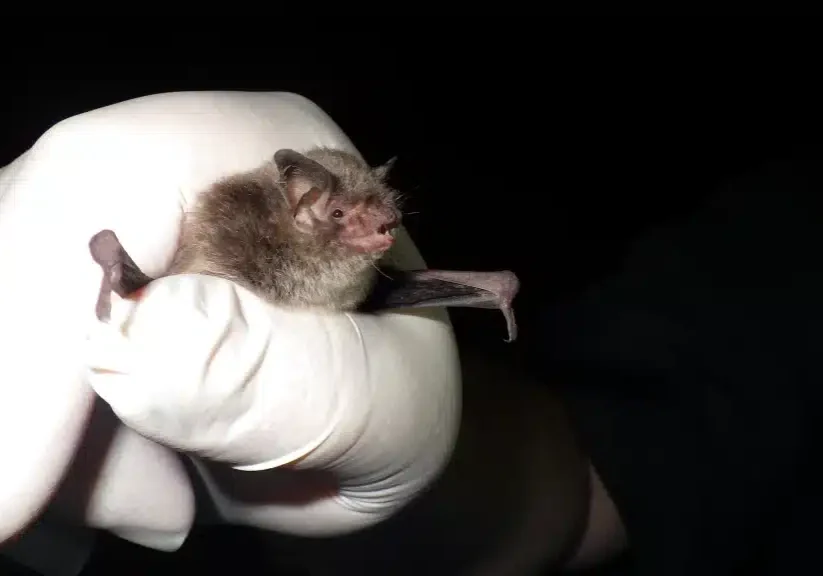
Signs of Life
In the Nantahala National Forest, a team of biologists spotted Indiana bats, an endangered species that hasn’t been seen in North Carolina for the last 11 years.
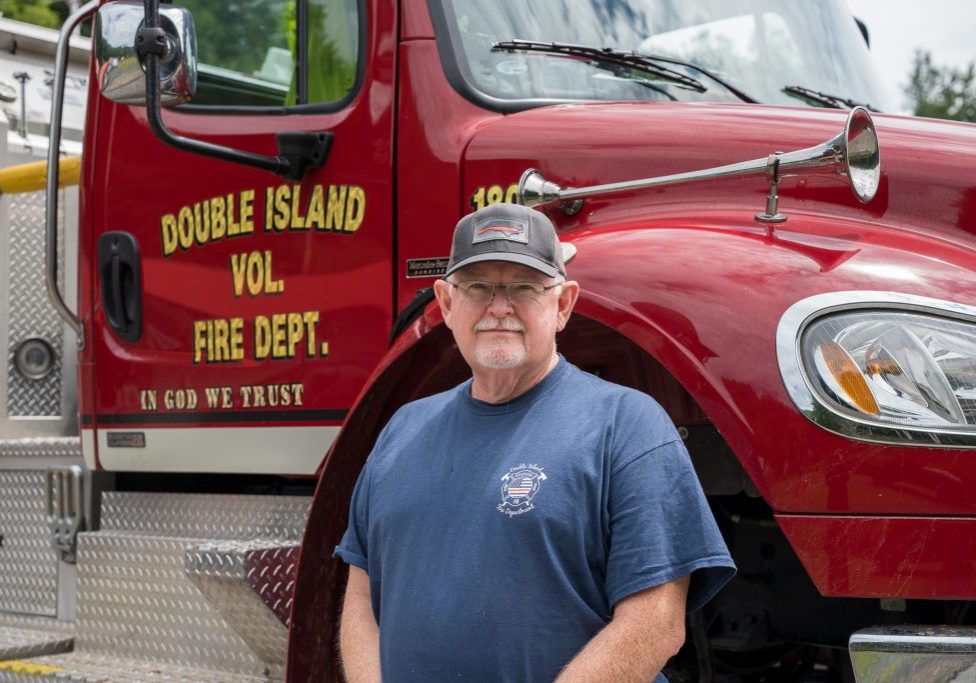
‘First Line of Defense’
During Hurricane Helene and its aftermath, rural fire departments and other first responder hubs played critical roles in keeping their communities safe, even without power and cut off from outside support for days or weeks after the storm. Two years later, plenty of work remains to ensure these hubs have the resources they need to operate day to day and be ready when emergencies or natural disasters strike.
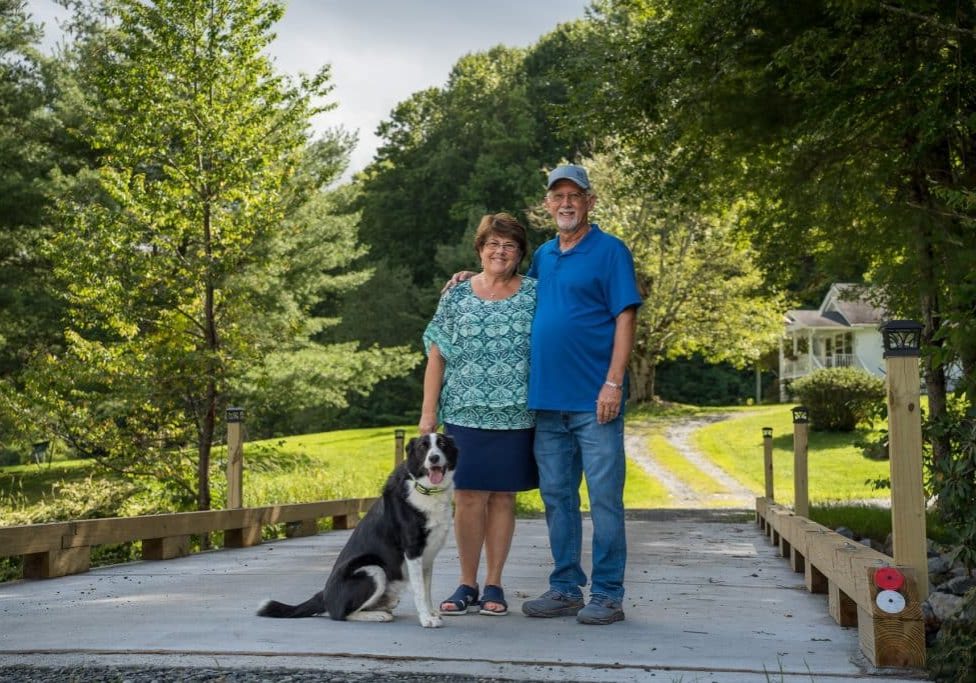
The Rocky Road — and Bridge — to Recovery
Hurricane Helene is estimated to have damaged nearly 7,000 private roads and bridges in Western North Carolina. Two years later, many restoration projects are complete, but the journey hasn’t been easy — and isn’t over for others.
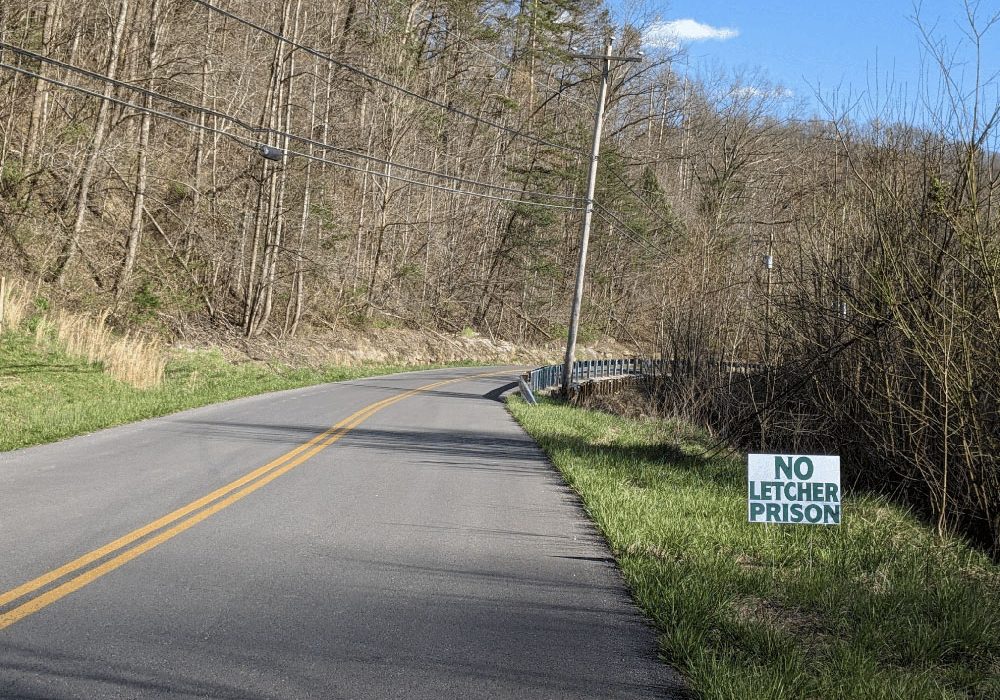
After 20 Years, Letcher County Prison Proposal Is Still Alive, Though Obstacles Remain
A $605 million proposal for a federal prison on a former strip mine site in Letcher County, Kentucky, championed by U.S. Rep. Hal Rogers, refuses to die, despite local opposition, a lack of support from the executive branch and numerous other obstacles.
The Washout and Rebuild
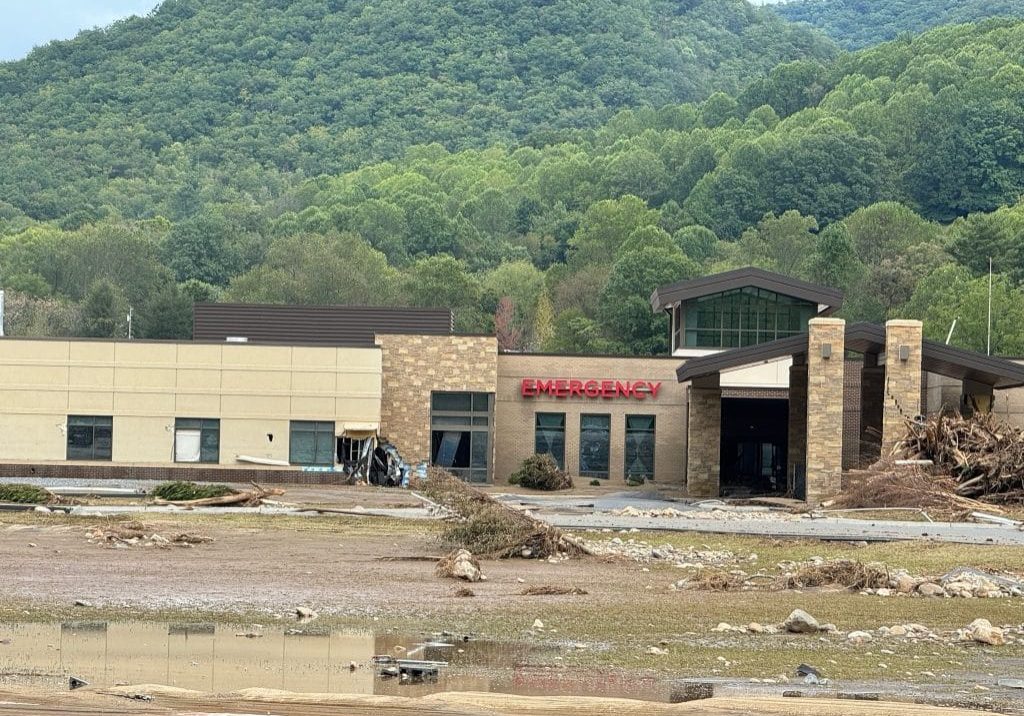
For nearly two years, residents of Unicoi County, Tennessee, have had to make do without a hospital after Hurricane Helene destroyed the rural hospital. Ballad Health, which owns the hospital, broke ground on a new location — in another floodplain — in August 2026.

The Shenandoah Salamander
The Shenandoah salamander is a woodland salamander, which has adapted to life at higher elevations away from water. This sparkling rarity lives among the dry leaves, cracked logs, and stony hillocks on the highest peaks of Shenandoah National Park.

Leave a comment
Your email address will not be published. Required fields are marked *
Leave a Comment