

Operation Medicine Cabinet: Saving the River and Kids from Drugs

Donna Lisenby, our Upper Watauga Riverkeeper, has teamed up with organizations in Watauga County, NC to offer the first ever prescription drug take-back day on Saturday, October 3 from 9 a.m. to noon.
Dubbed Operation Medicine Cabinet, the event is designed to safely dispose of drugs and keep them out of the hands of children and out of our water.
Anyone with outdated or unused prescription drugs, syringes or other medical supplies are invited to drop these off at the take-back centers. The event has been declared as an amnesty day, so controlled substances will also be taken with no questions asked.
Takeback locations will be available at three Food Lion stores in Watauga County: the Hwy 321 store in Boone, the Hwy 421 Deep Gap store, and the Blowing Rock store. The event will be held in conjunction with the county’s annual Hazardous Household Waste day from 9 a.m. to 2 p.m.
The disposal of prescription drugs has long been a dilemma, and many home medicine cabinets contain unused or outdated medications. Among teenagers, one of the highest increases in illegal drug use over the past several years has been in prescription drug use, most commonly obtained by raiding a family member’s or friend’s medicine cabinet.
As well, because local water treatment facilities are not set up to filter prescription drugs, an emerging threat to our waterways is the increasing evidence of prescription drug residue in the rivers. Tests have found blood pressure medicine, mood-enhancement drugs like Prozac, and antibiotics and estrogen.
Partners in Operation Medicine Cabinet include The Upper Watauga Rivereeper, Boone Drug, The Watauga River Conservation Partners, Watauga County Sheriff’s Department, Boone,Police Dept, NC Cooperative Extension Service, Town of Boone Utilities Department, the DEA, North Carolina SBI, Mountainkeepers, and Watauga County Solid Waste/Recycling Department.
Related Articles
Latest News
More Stories
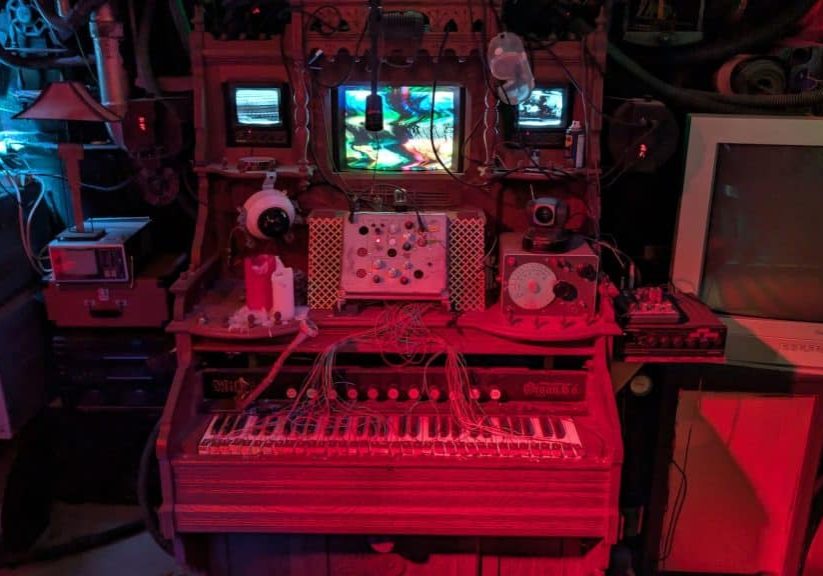
Halloween Approaches, and Night School Is in Session
The House of Art in Bluefield, West Virginia, looks like a haunted tower, making it the perfect location for its sixth annual haunt event: Night School. The Night School will be open every Friday and Saturday night through Oct. 31.
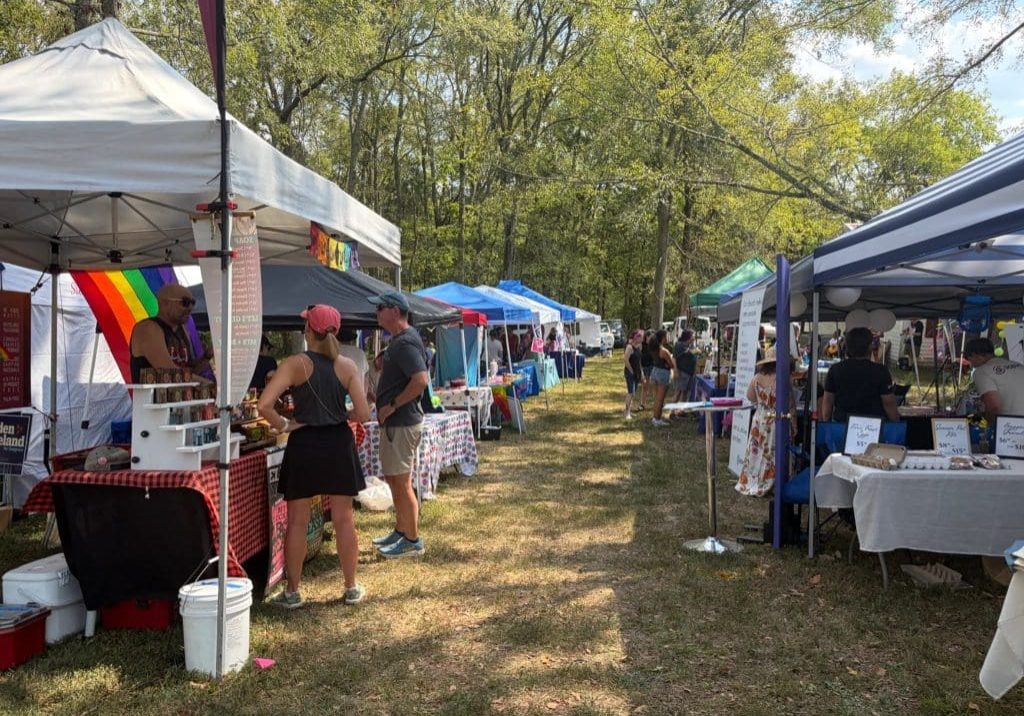
‘The Most Perfect Act of Love’
After losing its rural pride celebration, hundreds of people attended the second annual Affirming Sumner Pride celebration on a 24-acre farm dubbed “Fruity Farm” in Bethpage, Sumner County, Tennessee.

Signs of Life
In the Nantahala National Forest, a team of biologists spotted Indiana bats, an endangered species that hasn’t been seen in North Carolina for the last 11 years.

‘First Line of Defense’
During Hurricane Helene and its aftermath, rural fire departments and other first responder hubs played critical roles in keeping their communities safe, even without power and cut off from outside support for days or weeks after the storm. Two years later, plenty of work remains to ensure these hubs have the resources they need to operate day to day and be ready when emergencies or natural disasters strike.

The Rocky Road — and Bridge — to Recovery
Hurricane Helene is estimated to have damaged nearly 7,000 private roads and bridges in Western North Carolina. Two years later, many restoration projects are complete, but the journey hasn’t been easy — and isn’t over for others.
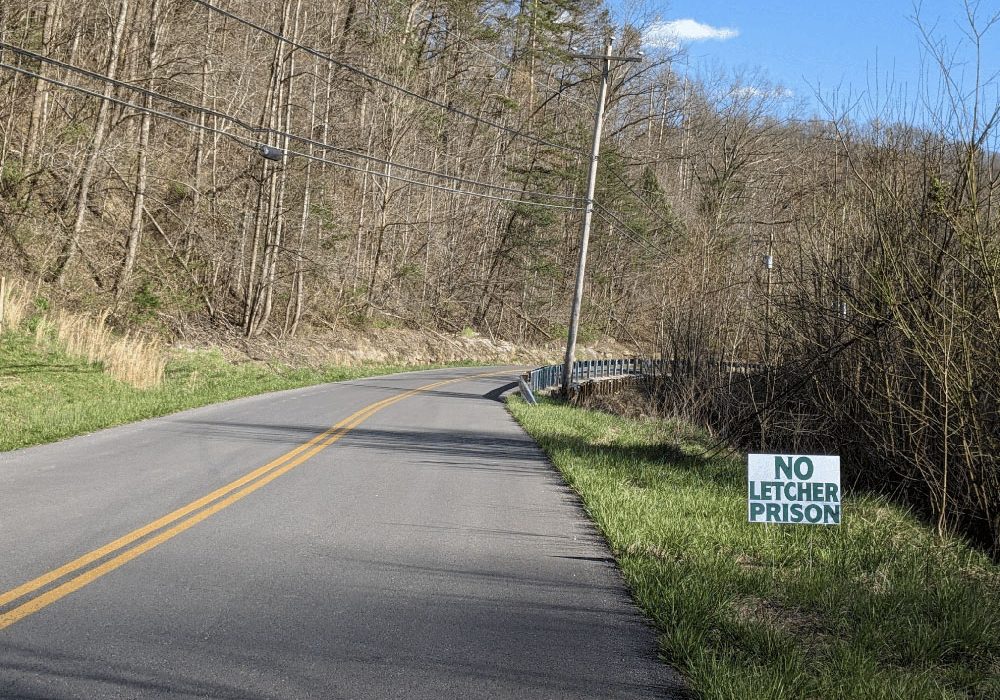
After 20 Years, Letcher County Prison Proposal Is Still Alive, Though Obstacles Remain
A $605 million proposal for a federal prison on a former strip mine site in Letcher County, Kentucky, championed by U.S. Rep. Hal Rogers, refuses to die, despite local opposition, a lack of support from the executive branch and numerous other obstacles.

Leave a comment
Your email address will not be published. Required fields are marked *
Leave a Comment