

Good Things Come in Small Packages
Story by Sarah Vig
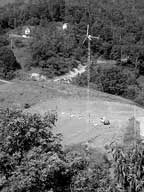
This 10 kilowatt Bergey turbine, erected by a family in Haywood County, NC, generates approximately 14,000 kilowatt hours per year—more than enough electricity to power the family’s home. Excess electricity is then sold back to the grid. Total cost for the system was approximately $40,000. Photo courtesy of NC Green Power
Though the image of large industrial-scale wind turbines has become common, seen on PowerShift T-shirts and sprouting out of cornfields in Iowa and mountains in Tennessee alike, not every wind turbine towers on the skyline.
Wind turbines are made in a number of smaller sizes, more suitable for residential application and adaptable to different average wind speeds. This allows home or property owners to invest in and generate their own power.
“Small wind” is generally regarded as any turbine less than 100 kilowatts, but turbines as small as 40 watts can provide enough electricity to pump water.
At the small wind research and development site on Beech Mountain near Banner Elk, N.C., a small number (usually between three and five) of these smaller turbines are running simultaneously. Here, small wind turbine manufacturers can donate models to be tested by Appalachian State University students, faculty and staff for reliability and performance.
Depending on their size and site, the turbines can either be grid-tied or used as battery chargers.
A grid-tied system is eligible for subsidies from green power purchasing programs, such as Tennessee Valley Authority’s Green Power Switch Program or NC Green Power. These programs offer a three to four cent premium payment per kilowatt hour above the standard rate for green power generators.
Battery charging turbines can be useful for remote locations or entirely off-grid systems, which typically use a combination of renewable energy technologies and energy efficiency to first reduce and then meet energy demands. Battery-charging systems can also be useful for very low-demand sites such as boats.
Smaller wind turbines allow individuals to take green power generation into their own hands, deciding what size and type of turbine suits their needs and best takes advantage of their wind resource.
According to a representative from the Small Wind Initiative, small wind turbines can work on any site with at least Class 2 wind resources (average wind speeds of five mph at 10 meters up and over six mph at 50 meters up).
Related Articles
Latest News
More Stories
Signs of Life
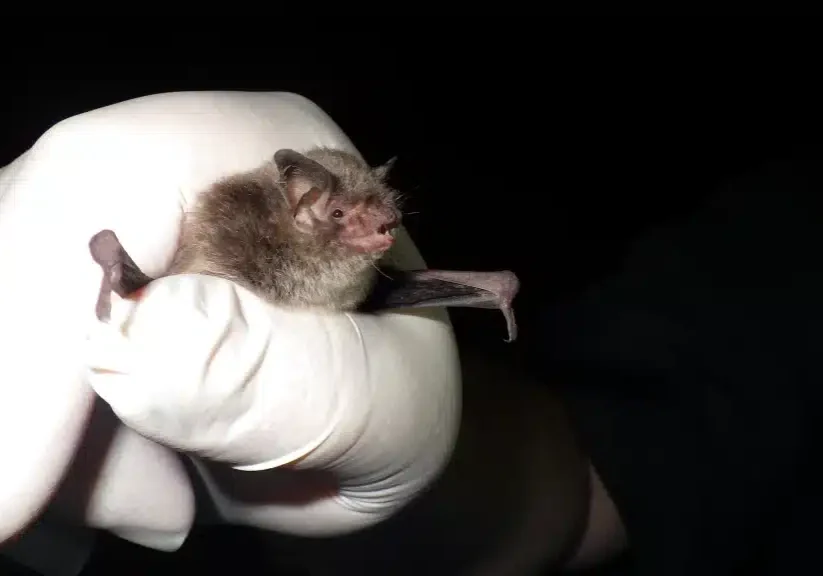
In the Nantahala National Forest, a team of biologists spotted Indiana bats, an endangered species that hasn’t been seen in North Carolina for the last 11 years.
‘First Line of Defense’
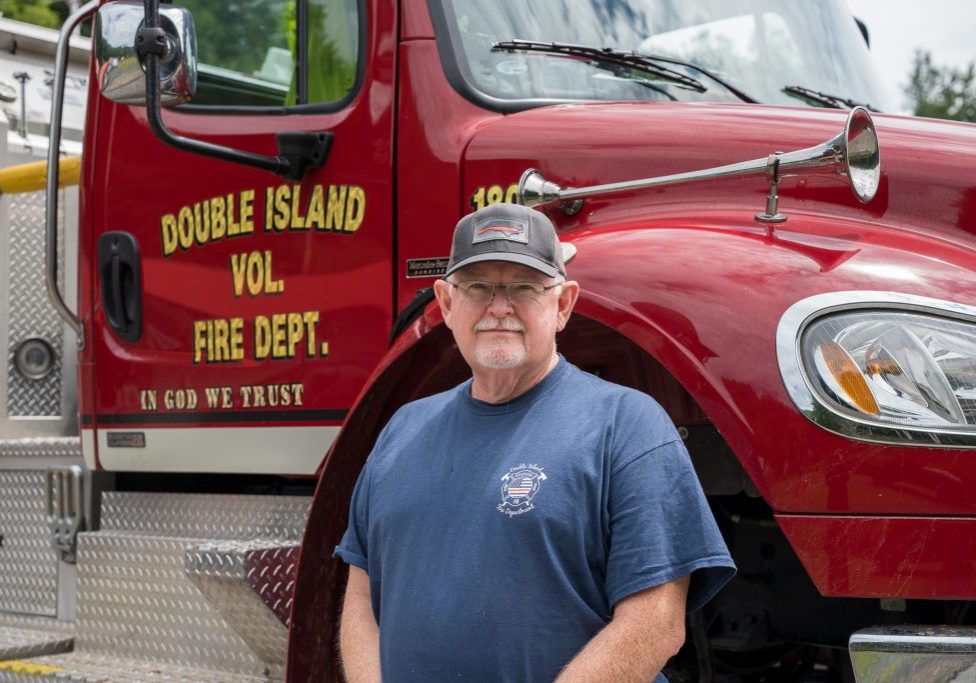
During Hurricane Helene and its aftermath, rural fire departments and other first responder hubs played critical roles in keeping their communities safe, even without power and cut off from outside support for days or weeks after the storm. Two years later, plenty of work remains to ensure these hubs have the resources they need to operate day to day and be ready when emergencies or natural disasters strike.
The Rocky Road — and Bridge — to Recovery
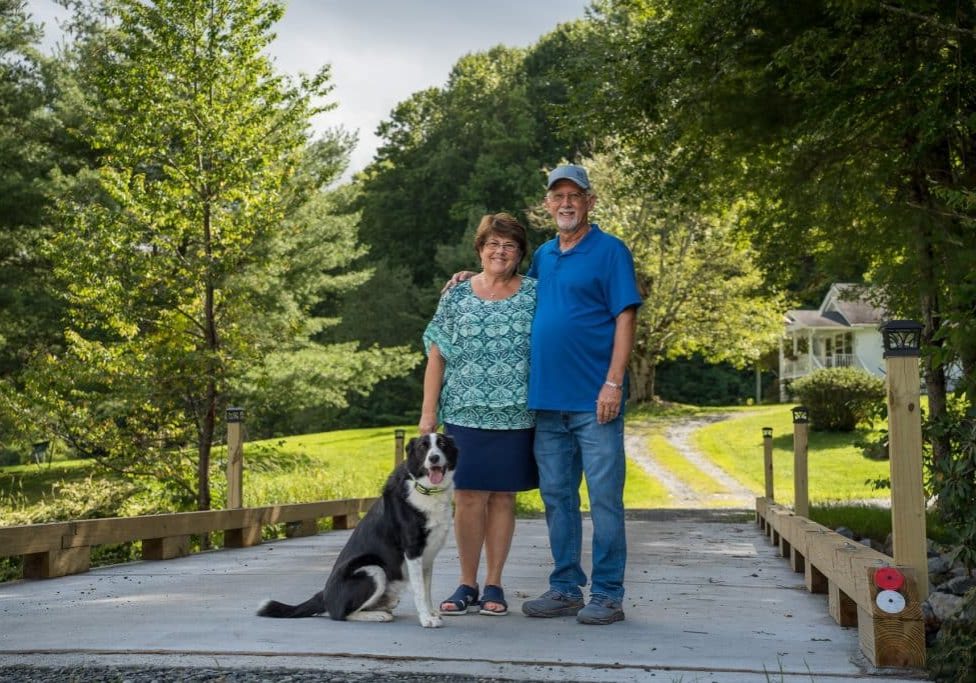
Hurricane Helene is estimated to have damaged nearly 7,000 private roads and bridges in Western North Carolina. Two years later, many restoration projects are complete, but the journey hasn’t been easy — and isn’t over for others.
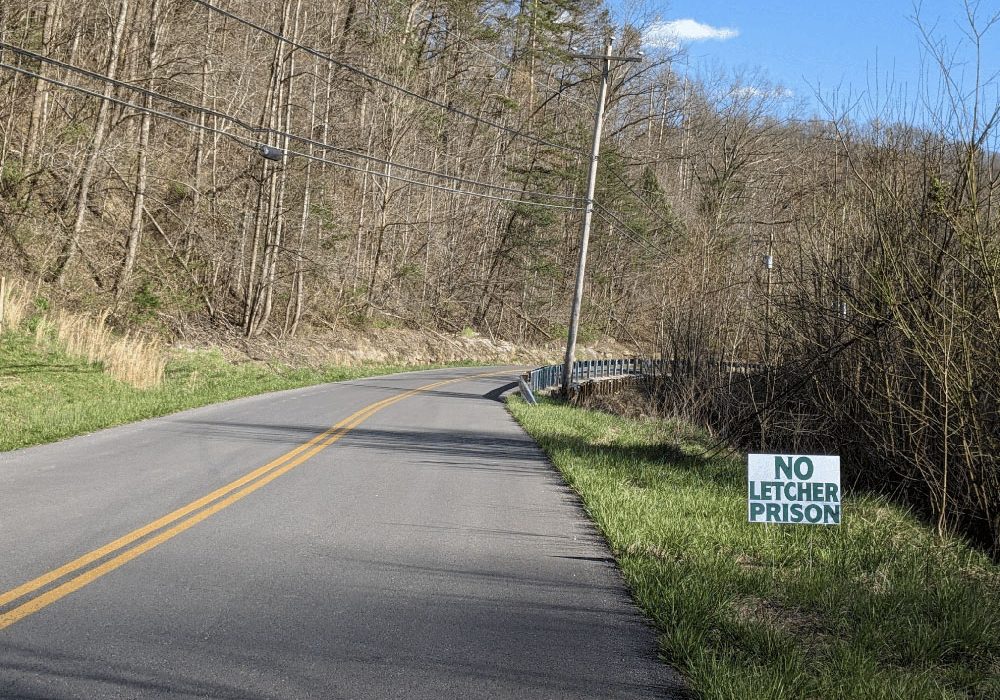
After 20 Years, Letcher County Prison Proposal Is Still Alive, Though Obstacles Remain
A $605 million proposal for a federal prison on a former strip mine site in Letcher County, Kentucky, championed by U.S. Rep. Hal Rogers, refuses to die, despite local opposition, a lack of support from the executive branch and numerous other obstacles.
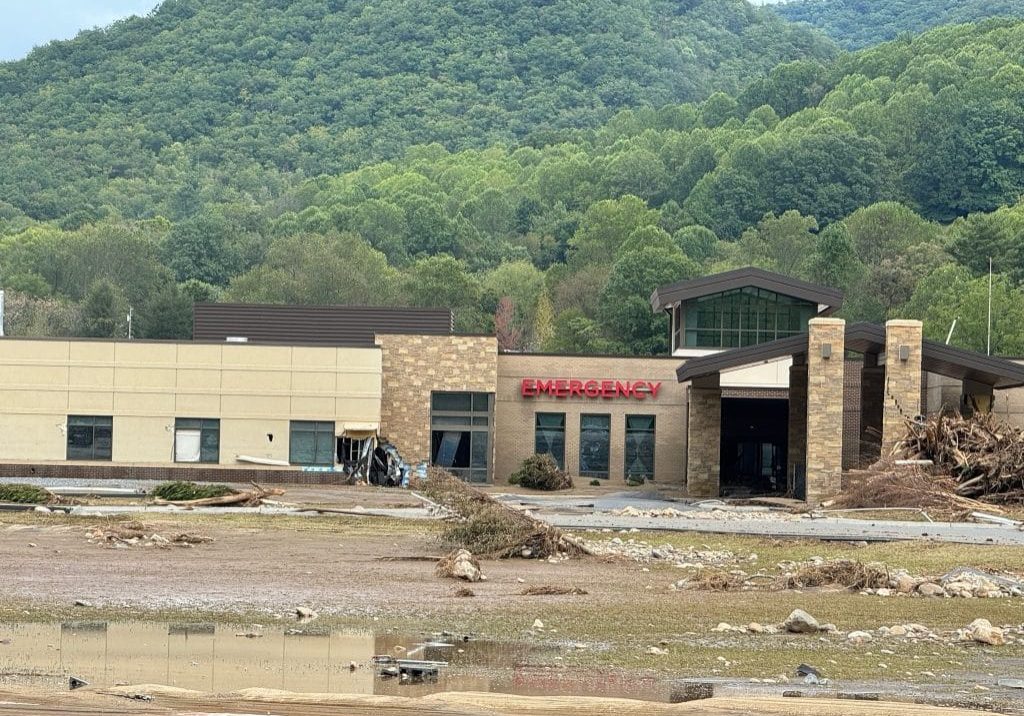
The Washout and Rebuild
For nearly two years, residents of Unicoi County, Tennessee, have had to make do without a hospital after Hurricane Helene destroyed the rural hospital. Ballad Health, which owns the hospital, broke ground on a new location — in another floodplain — in August 2026.
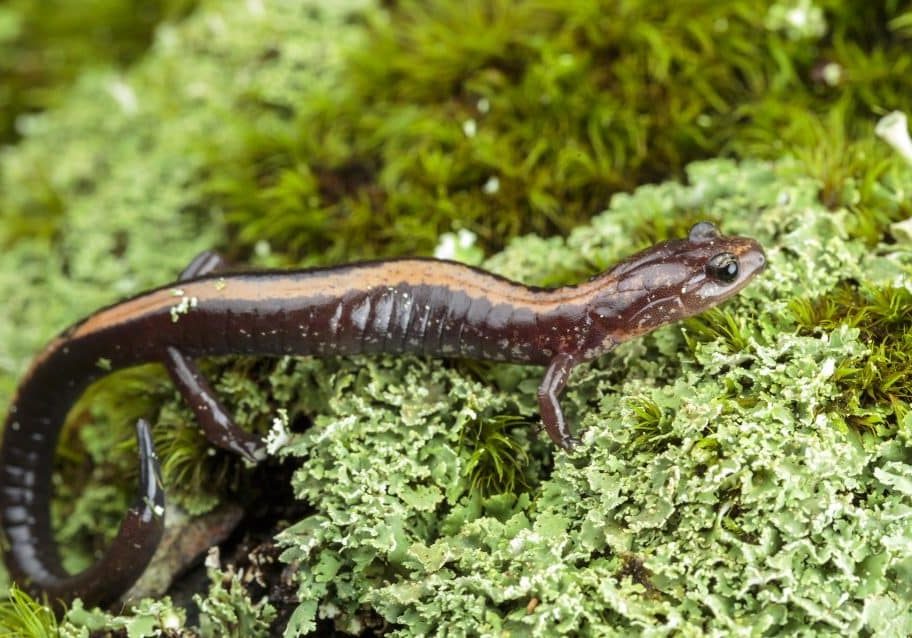
The Shenandoah Salamander
The Shenandoah salamander is a woodland salamander, which has adapted to life at higher elevations away from water. This sparkling rarity lives among the dry leaves, cracked logs, and stony hillocks on the highest peaks of Shenandoah National Park.

Leave a comment
Your email address will not be published. Required fields are marked *
Leave a Comment