

Two women in hazmat suits and respirators were arrested in May after floated a 60 foot banner in the Brushy Fork impoundment “lake” which contains 8 billion gallons of coal sludge.
The banner read: “No More Toxic Sludge.”
Ironically, the two were charged with trespassing and littering the 8 billion gallon sludge reservoir. Other mountaintop removal mining and sludge related protests in May included 70 people at Massey Coal’s Marfork mining complex near Whiteville, WV.
One focus of the protests involved the potential of sludge dams to break, killing hundreds of people downstream. At one point, hundreds of shoes, representing the lives that would be lost, were lined up below a sludge dam.
“We live in a free country, and you can go up and down the street swinging your arms as a free person. But if somebody comes along, and you hit that person in the nose, your freedom ends where that person’s nose begins,” said former West Virginia Congressman Ken Hechler. “So I say to you here, the freedom of Massey is a clear and present danger to everyone that lives below Brushy Fork. Their freedom ends because they have put thousands of people at risk.”
Massey will be blasting close to the Brushy Fork impoundment, which sits atop a network of abandoned deep mine shafts and tunnels. This, along with the rainy spring, has led to questions about what the government is doing to survey the safety of sludge dams.
Sludge study questions raised
Appalachian Voices has filed several Freedom of Information Act requests to learn more about how the federal government is studying the sludge dams.
Until recently, only a handful of randomly selected dams were studied for technical compliance issues, according to the federal Office of Surface Mine and Reclamation Enforcement. A recently completed study focused on the safety of 15 high-risk sludge dams and their potential for breakthrough into nearby mines.
The study, will be the first to combine elements of dam volume and downstream populations in a risk assessment, according to OSMRE officials. Although the engineering work is complete, release of the study is being held up so that it can be reviewed, OSMRE said.
“Given the current state of emergency and severe flooding in West Virginia, we believe that this information has a direct bearing on vital issues of public safety,” Appalachian Voices said in a letter to OSMRE.
Related Articles
Latest News
More Stories
Signs of Life
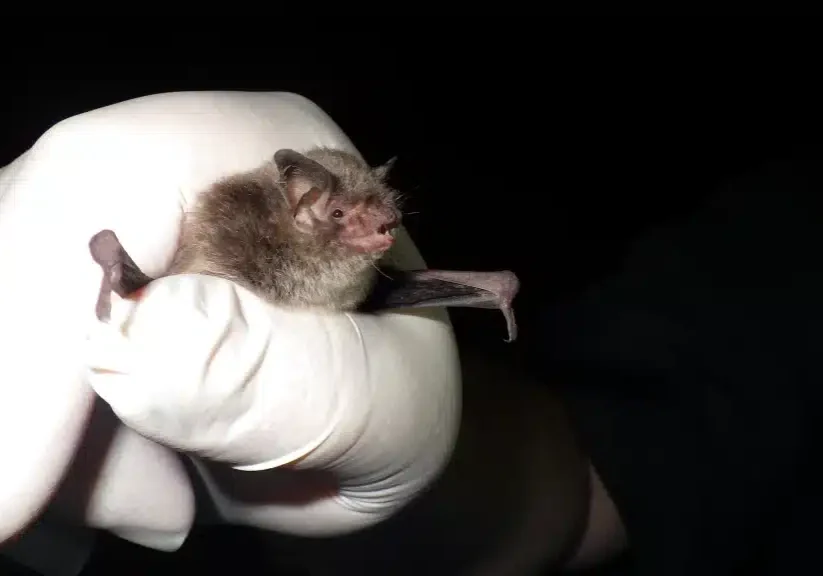
In the Nantahala National Forest, a team of biologists spotted Indiana bats, an endangered species that hasn’t been seen in North Carolina for the last 11 years.

‘First Line of Defense’
During Hurricane Helene and its aftermath, rural fire departments and other first responder hubs played critical roles in keeping their communities safe, even without power and cut off from outside support for days or weeks after the storm. Two years later, plenty of work remains to ensure these hubs have the resources they need to operate day to day and be ready when emergencies or natural disasters strike.

The Rocky Road — and Bridge — to Recovery
Hurricane Helene is estimated to have damaged nearly 7,000 private roads and bridges in Western North Carolina. Two years later, many restoration projects are complete, but the journey hasn’t been easy — and isn’t over for others.
After 20 Years, Letcher County Prison Proposal Is Still Alive, Though Obstacles Remain
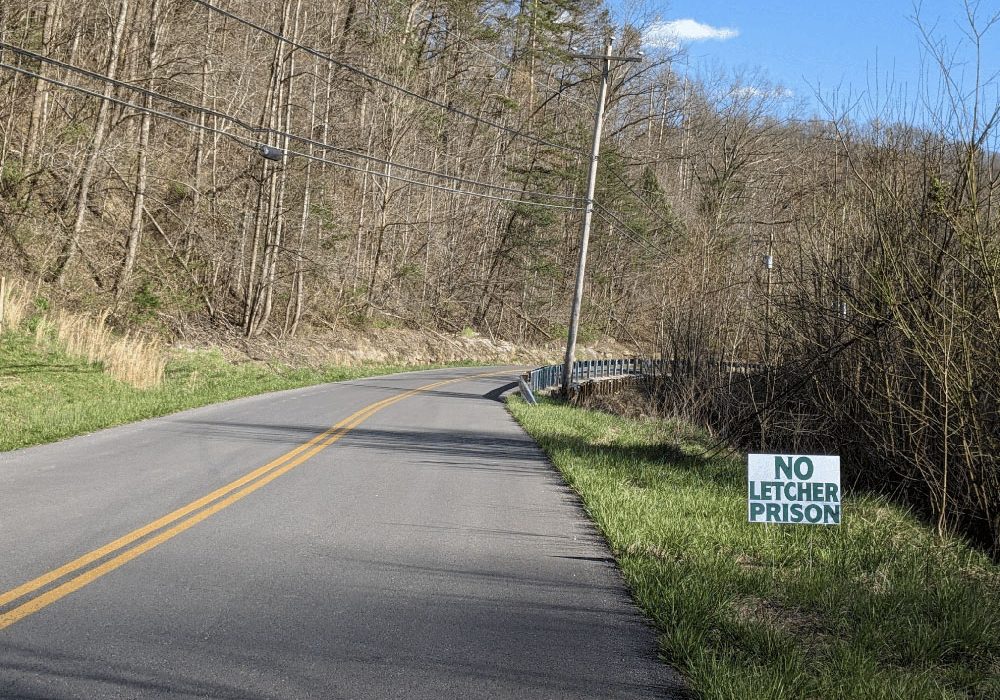
A $605 million proposal for a federal prison on a former strip mine site in Letcher County, Kentucky, championed by U.S. Rep. Hal Rogers, refuses to die, despite local opposition, a lack of support from the executive branch and numerous other obstacles.
The Washout and Rebuild
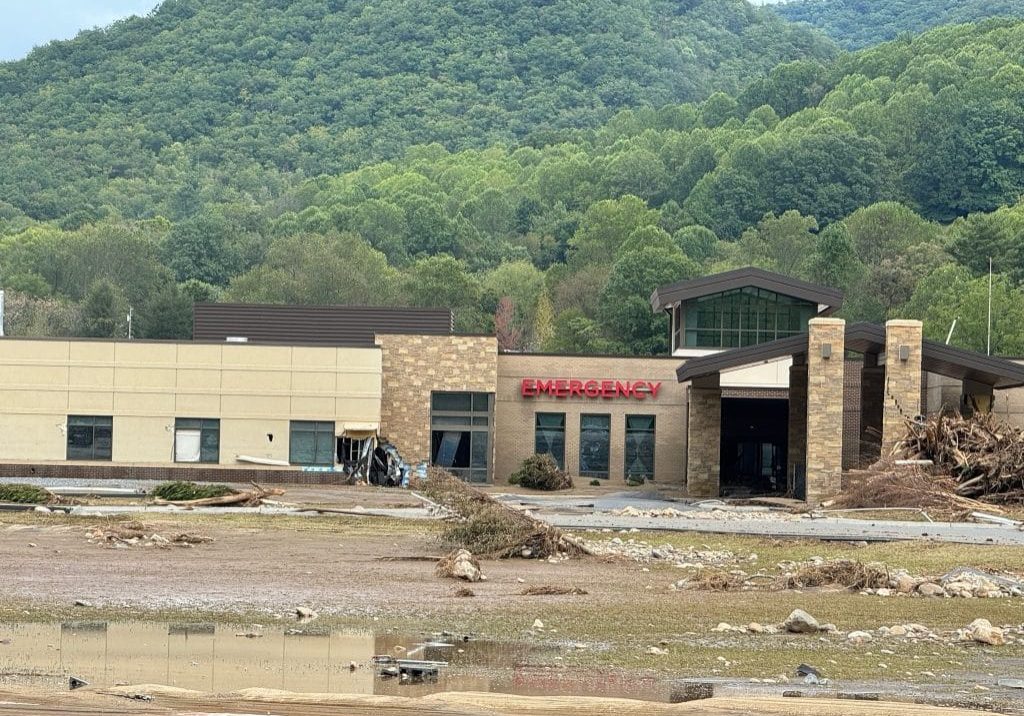
For nearly two years, residents of Unicoi County, Tennessee, have had to make do without a hospital after Hurricane Helene destroyed the rural hospital. Ballad Health, which owns the hospital, broke ground on a new location — in another floodplain — in August 2026.
The Shenandoah Salamander
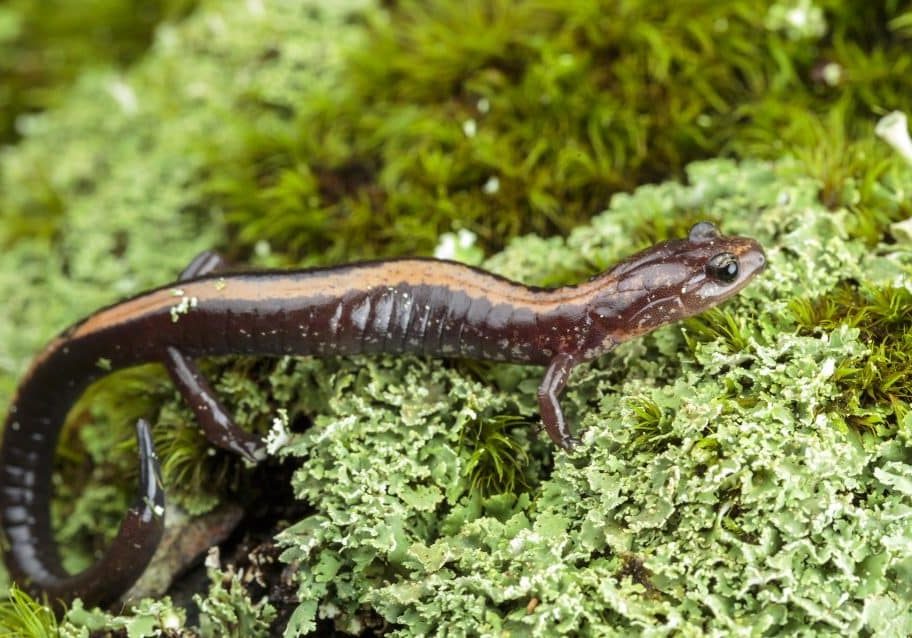
The Shenandoah salamander is a woodland salamander, which has adapted to life at higher elevations away from water. This sparkling rarity lives among the dry leaves, cracked logs, and stony hillocks on the highest peaks of Shenandoah National Park.

Leave a comment
Your email address will not be published. Required fields are marked *
Leave a Comment