

Front Porch Blog
Updates from Appalachia

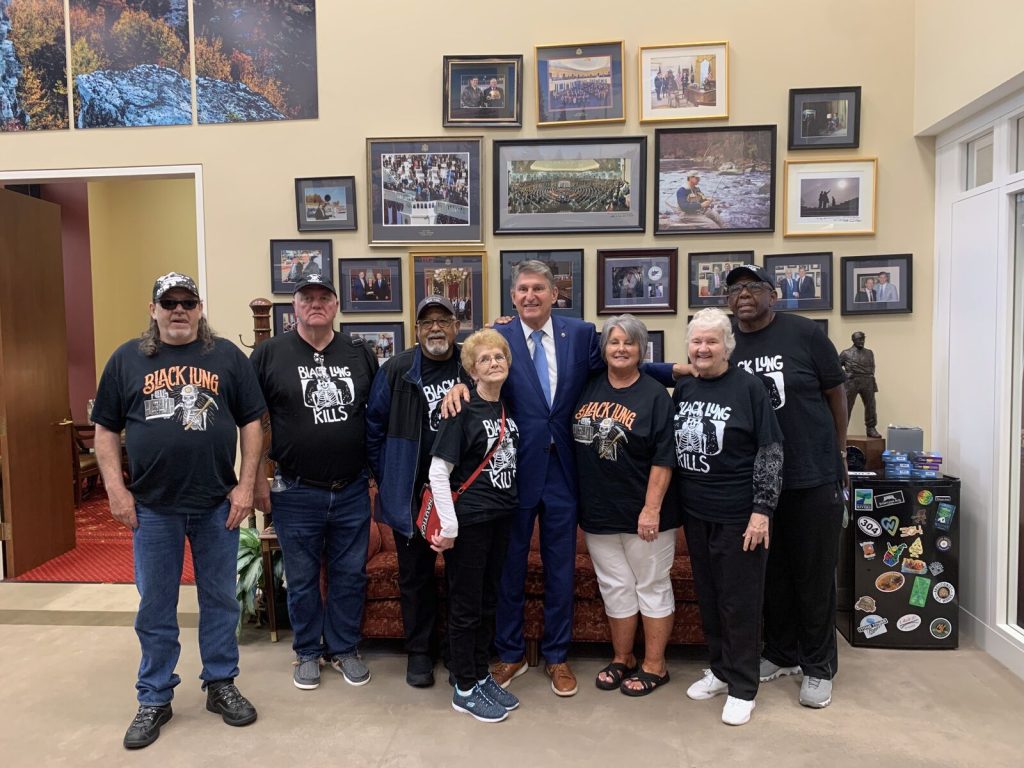
Miners continue long fight for adequate black lung benefits
This is a meeting of the Southwest Virginia Black Lung Association Chapter II, and they have a lot to talk about.
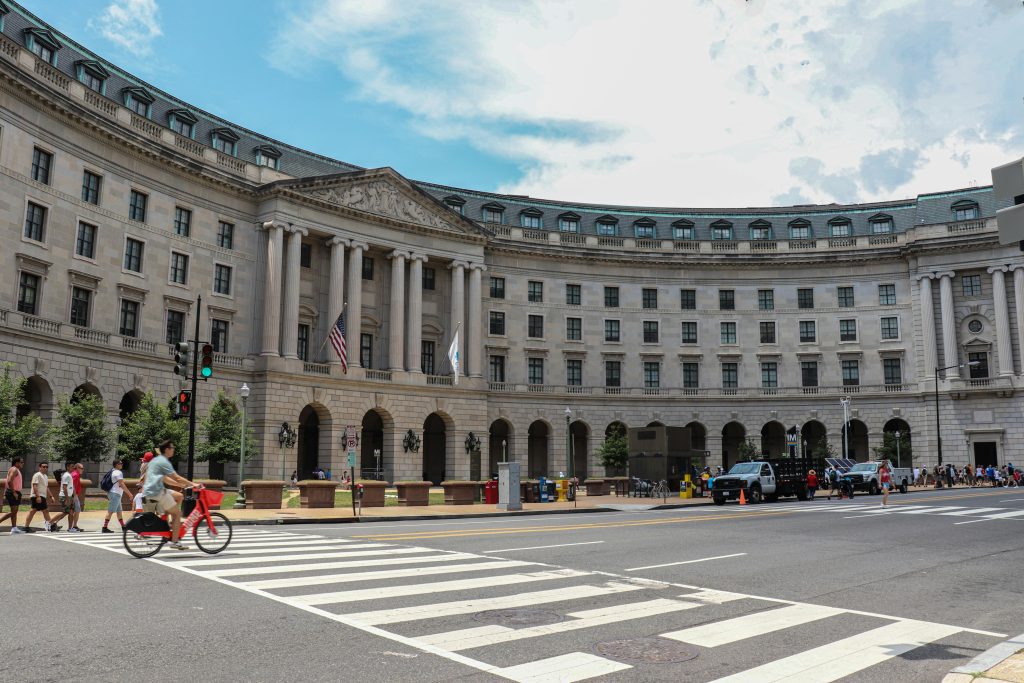
Part II: How the Trump plan for the federal budget hurts Appalachia
This is the second of two blogs highlighting some of the ways that the proposed budget would make Appalachians less safe and less financially secure, undercutting economic development and environmental remediation efforts.

Appalachian Voices v. EPA: A letter from our executive director
Appalachian Voices joined our partners and attorneys in a class-action lawsuit against the EPA for unlawfully terminating its Environmental and Climate Justice Block Grant Program. Read a letter from Executive Director Tom Cormons about why we’re taking this step.
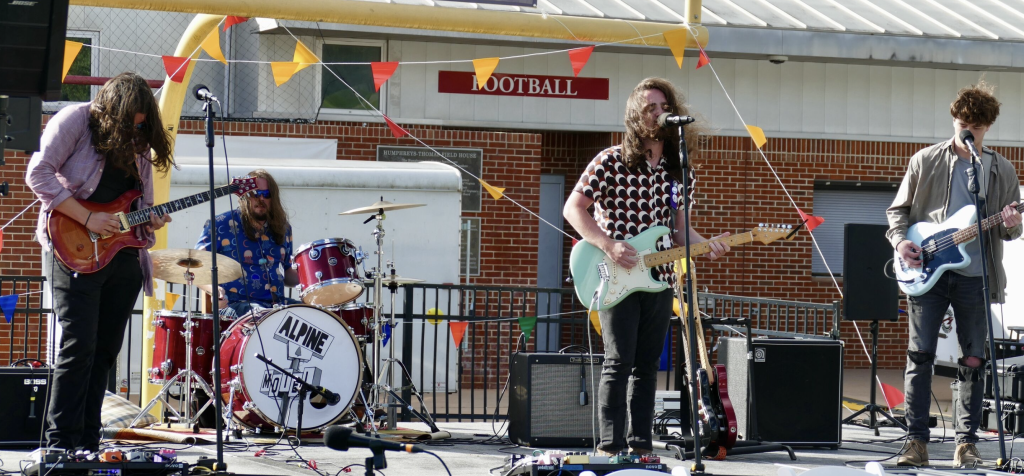
Solar energy lights up Southwest Virginia at inaugural SWVA Solar Summit
More than 200 attendees received a wealth of information from various energy, utility and environmental groups.

Smoke on the mountain: Canadian wildfires and Appalachian air quality
The wildfire conditions in Canada also affected the United States, with smoke drifting southward and prompting the National Weather Service to issue air quality alerts across the Upper Midwest, including in Minnesota, Wisconsin and Michigan.