Appalachian Voices Mineland ReLeaf Project
Bringing high-quality native forest to former mine lands through the carbon credit market
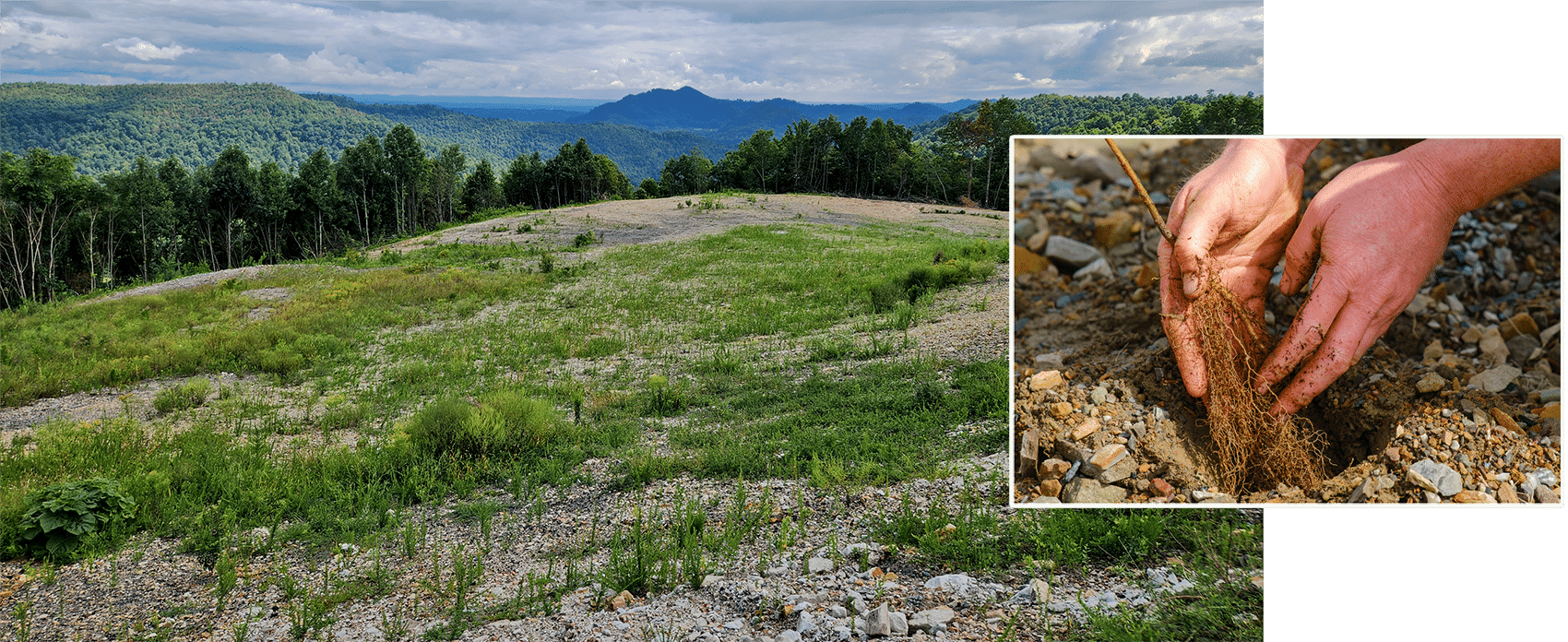
In the Appalachian Mountains, we value the natural beauty, preservation, and protection of the land we call home, and we want to see healthy forests that support wildlife and people. But our region’s history of energy production has left us with more than a million acres of formerly mined land, and many areas are inadequately restored to their natural state.
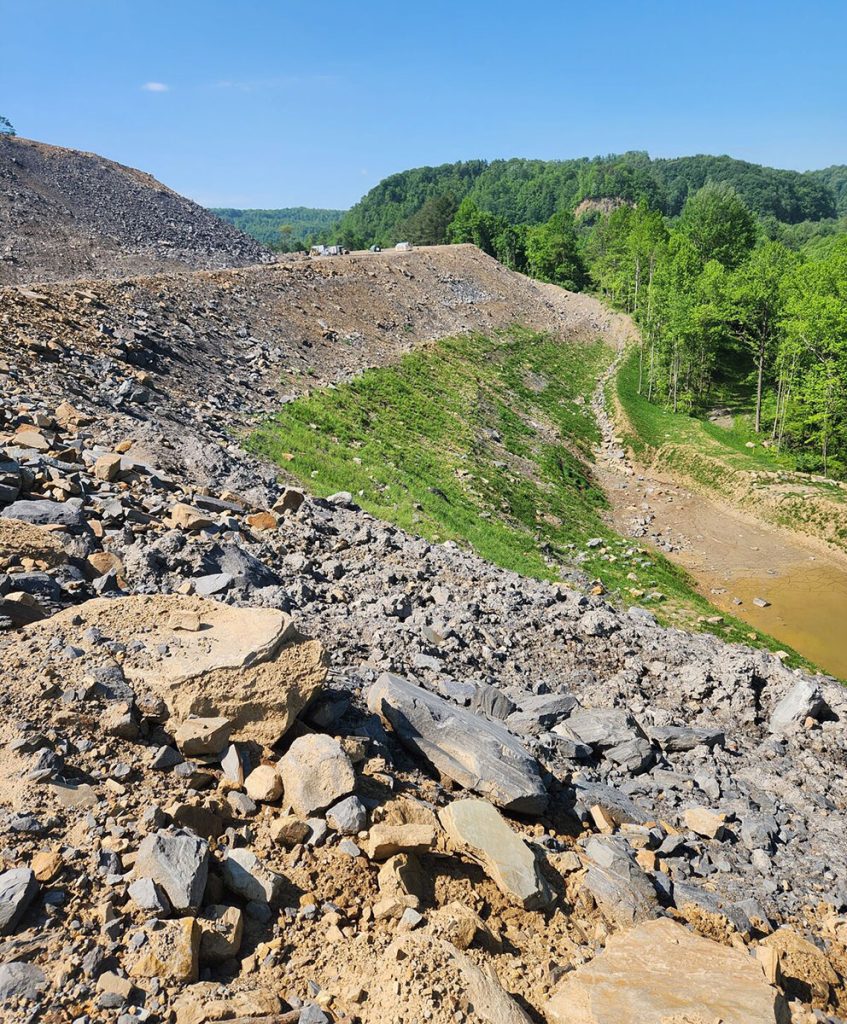
Even when coal companies comply with existing mine cleanup laws, they often leave behind damaged sites with rocky, compacted soil and invasive plants that stop native trees and wildlife from flourishing. And as coal companies fail to set aside enough money to fix the land and the rules for restoring the land remain weak, our region is facing a new wave of unreclaimed mine lands.
But we have the skills and knowledge to do better. Through years of research and practice, land restoration workers and scientists have learned how to cultivate healthy forests on these damaged mine lands. Compared to poorly reclaimed mineland, these forests are much better for native species and for our planet, and they offer more opportunities for local folks.
Replacing invasive vegetation and compacted soils with native trees and productive soils is expensive. But by being included in the voluntary carbon credit market, those future forests can help cover the cost of reforestation.
We are introducing the Mineland ReLeaf Project to use the voluntary carbon market to help make quality mineland reforestation more economically viable. Healthy hardwood forests on former mineland will sequester carbon dioxide from the atmosphere, and organizations will purchase the carbon credits that represent the stored carbon. These credits can be used by the purchaser to offset the emissions that are left after they have made efforts to reduce emissions in their own operations or to make positive climate contributions.
The long-term goal of this project is to develop a scalable ecosystem restoration model that fully reclaims and reforests former coal mines while tapping into the voluntary carbon market to pay for restoration that otherwise would not occur.
Our Method
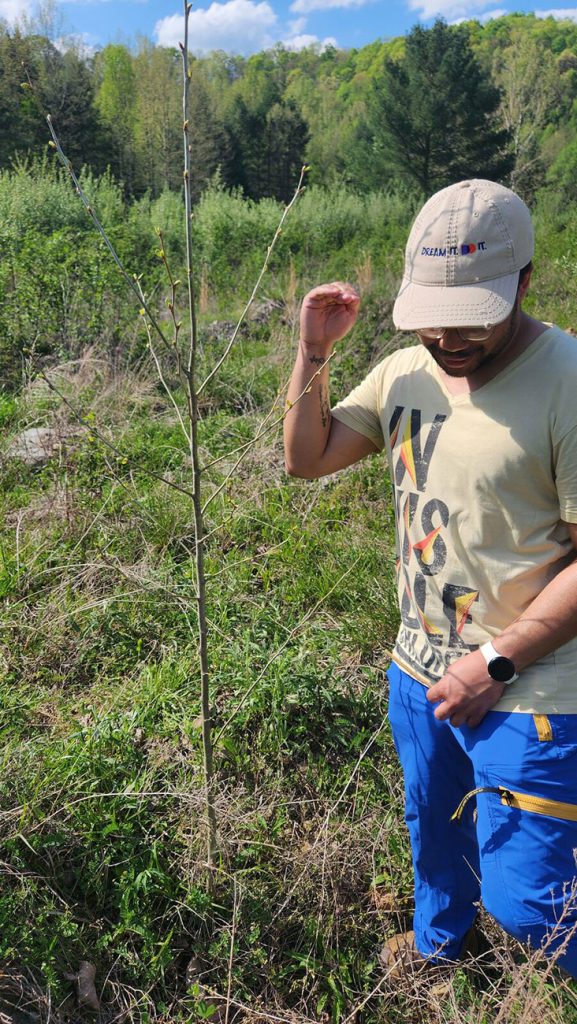
We are undertaking this project to benefit coal-impacted communities in a replicable way and to serve the pressing needs to remove atmospheric carbon and protect regional biodiversity.
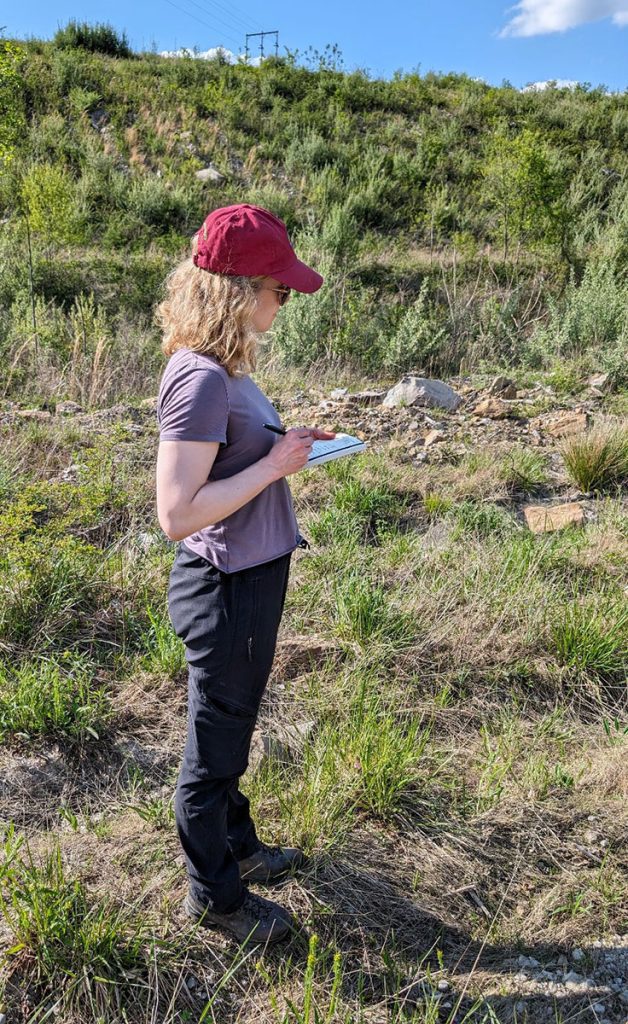
The Mineland ReLeaf Project prioritizes high-integrity credits that are genuinely sequestering carbon at the rates claimed. We follow a high-integrity carbon protocol and measurement, reporting and verification framework to be as accurate as possible in measuring the amount of carbon sequestered. We are centring community vision, benefits, participation and land access to establish a replicable best-practice model for the region. Our project will also provide valuable information for landowners and restoration practitioners tackling the legacy of degraded mine sites across the region.
Why the Appalachian region?
There is a profound need to establish thriving, native forests on former mine lands across the Appalachian coalfields. Researchers estimate that through 2018, coal mining had a cumulative footprint of 1.5 million acres throughout Central Appalachia – roughly the size of the state of Delaware. The Appalachian Regional Reforestation Initiative estimates that there are still 1 million acres of non-forested, bond-released mined lands that could be reforested in the eastern United States.
We can rehabilitate mine-scarred lands in Central Appalachia while revitalizing ecosystems and sequestering carbon. Appalachian Voices is dedicated to building a community of practice and identifying the most effective methods in carbon sequestration at both the policy and implementation level. We're committed to working with the communities impacted by coal through Community Benefits Agreements.
Reforesting Mine Lands report
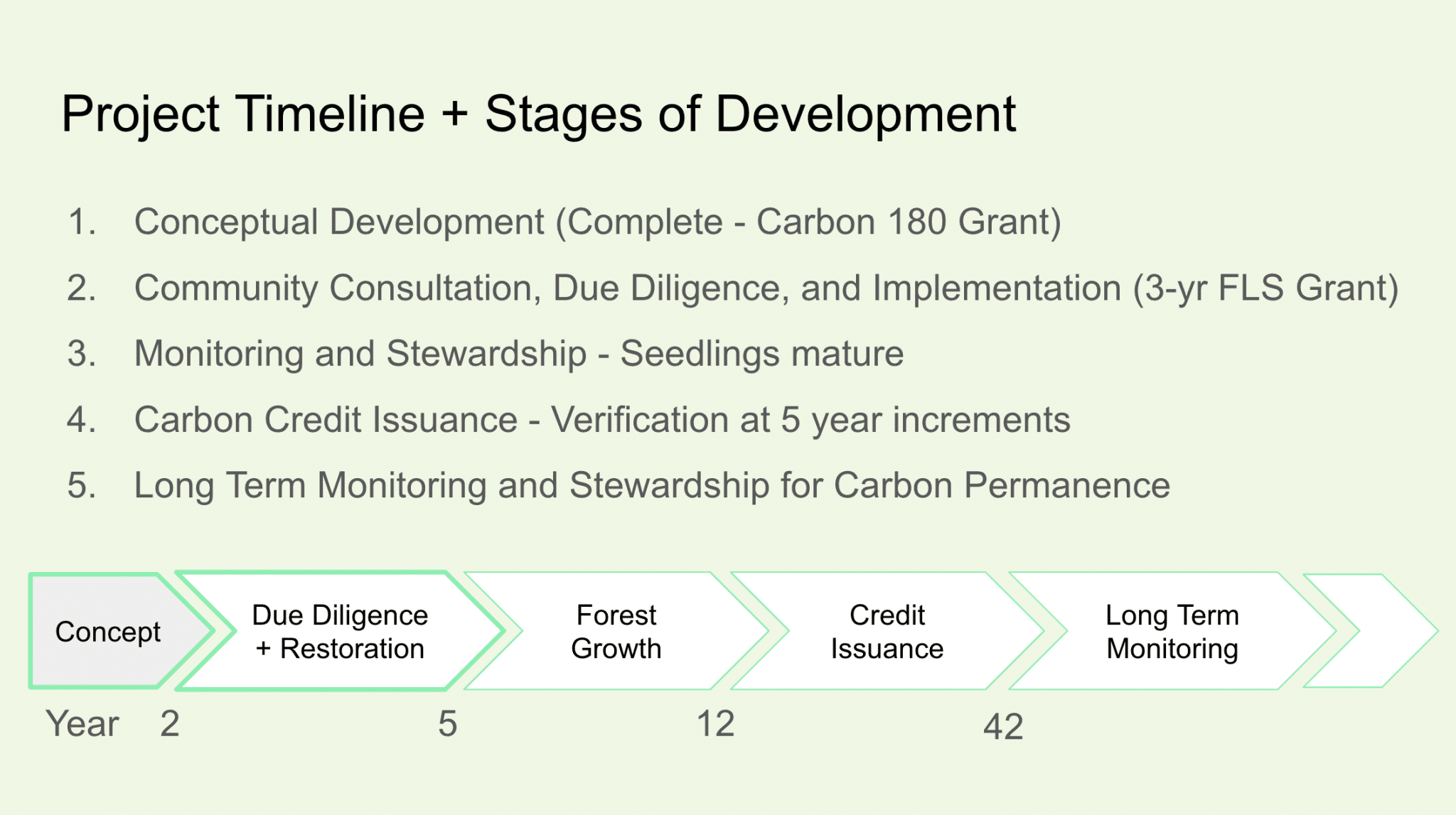
Project Timeline
Appalachian Voices is currently seeking 800 acres to enroll in this project. Any poorly reclaimed former mineland that doesn't have active mining permits could be a candidate for the project, with a minimum area of 50 acres. We will also consider sites that are unreclaimed and overrun with invasive plants. If you have a piece of former mine land in need of reclamation, or have suggestions on one, please use our contact form.
About Us
The Mineland ReLeaf Project is supported by Appalachian Voices’ New Economy Program, which has proudly served the Appalachian coalfield region since 2015.
The New Economy program facilitates opportunities for residents from all walks of life and with diverse backgrounds and perspectives to become more engaged in sharing ideas and making decisions about their economic future.
While the program’s efforts are focused on Southwest Virginia, we recognize that the movement for a just transition away from the coal economy is a regional one affecting all of Central Appalachia, and we collaborate closely with partner groups working toward similar goals.