
Written by Abby Hassler


Abby Hassler
Abby is a digital storyteller who grew up in East Tennessee and joined the communications team in December 2024. Before coming to Appalachian Voices, she spent ten years in strategic communications, academia and journalism. Recent roles include the Director of Creative Strategy of a strategic communications firm focused on clean energy, clean tech and economic development, and Executive Producer of a podcast about clean energy news in Tennessee.
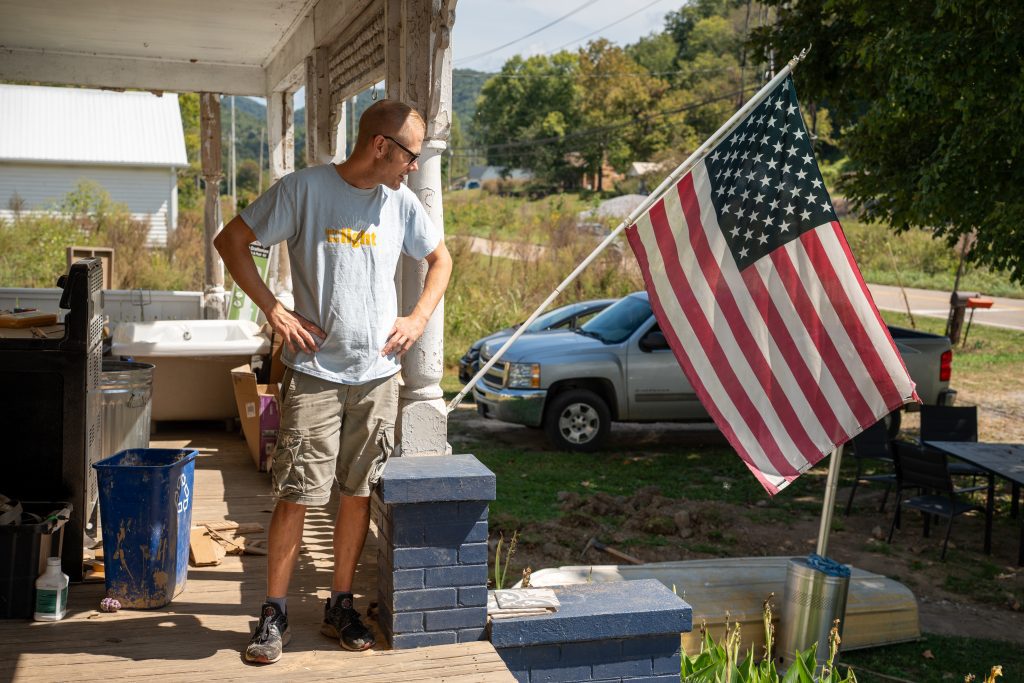
‘We Certainly Have a Long Way to Go’
On the one-year milestone of Hurricane Helene, communities reflect on the challenges they still face on the long road to recovery. The storm caused significant destruction, but it also exacerbated existing issues. New instances of housing insecurity and mental health concerns bubble to the surface every day — and will for months and years to come. For those doing the arduous work of long-term recovery, it feels never-ending.

‘King of the Darters’ Removed from Endangered Species List
The Roanoke logperch, a striking, large freshwater fish found in a handful of watersheds in Virginia and North Carolina, is no longer on the U.S. Fish and Wildlife Service’s endangered species list. It’s a sign of the fish population’s improvement. But some individuals and environmental and conservation organizations see its removal from Endangered Species Act protections — rather than moving from “endangered” to “threatened” status — as premature.

Continuity of Connection: Museum Exhibition Features Contemporary Native Artwork About Indigenous Mounds
A new exhibition, “Homelands: Connecting to Mounds through Native Art,” at the McClung Museum of Natural History and Culture at the University of Tennessee, Knoxville, features contemporary art from four of the 11 Native nations with ancestral ties to UT land.

The Long Trail Back: Public Lands Recovery After Hurricane Helene
Hurricane Helene devastated many of Appalachia’s most beloved natural areas. Thanks to federal, state and local partners and volunteers, many of these outdoor spaces have reopened. But full recovery is far from over. Current and looming federal budget cuts and policy changes have made already challenging land restoration work even more arduous.

Snapshots of Disaster Recovery
In this issue, we shared snapshots of disaster recovery, including a West Marion Resilience Hub and updates on the Virginia Creeper Trail.

‘Nobody Is Coming to Save Us:’ Building McDowell County, West Virginia, After February Floods
Before Feb. 15, the worst floods to hit the town of Welch in McDowell County, West Virginia, were in 1977, followed by 2001 and 2002.

West Marion Resilience Hub is ‘Not Your Grandma’s Community Center’
A nonprofit is working to transform the historic Mountain View School building into the West Marion Resilience Hub to create a more resilient and equitable future for the community.
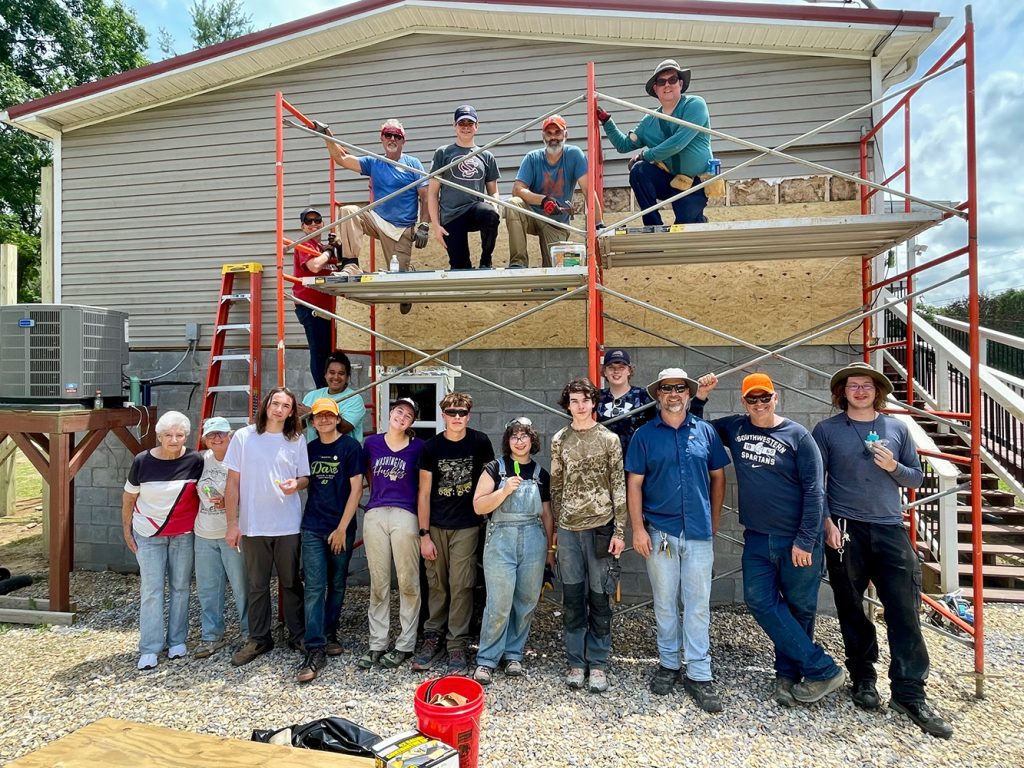
Organizations Band Together to Help with Long-Term Recovery in Cocke County, Tennessee
Catastrophic flooding from three rivers damaged or destroyed hundreds of homes and businesses throughout Cocke County, Tennessee.

A Creative Renaissance:’ Recovery in the River Arts District of Asheville
Historic flooding from Hurricane Helene devastated up to 80% of the vibrant River Arts District of Asheville, North Carolina, located along the French Broad River. Floodwaters damaged or destroyed more than 300 artist studios, impacting over 750 working artists.
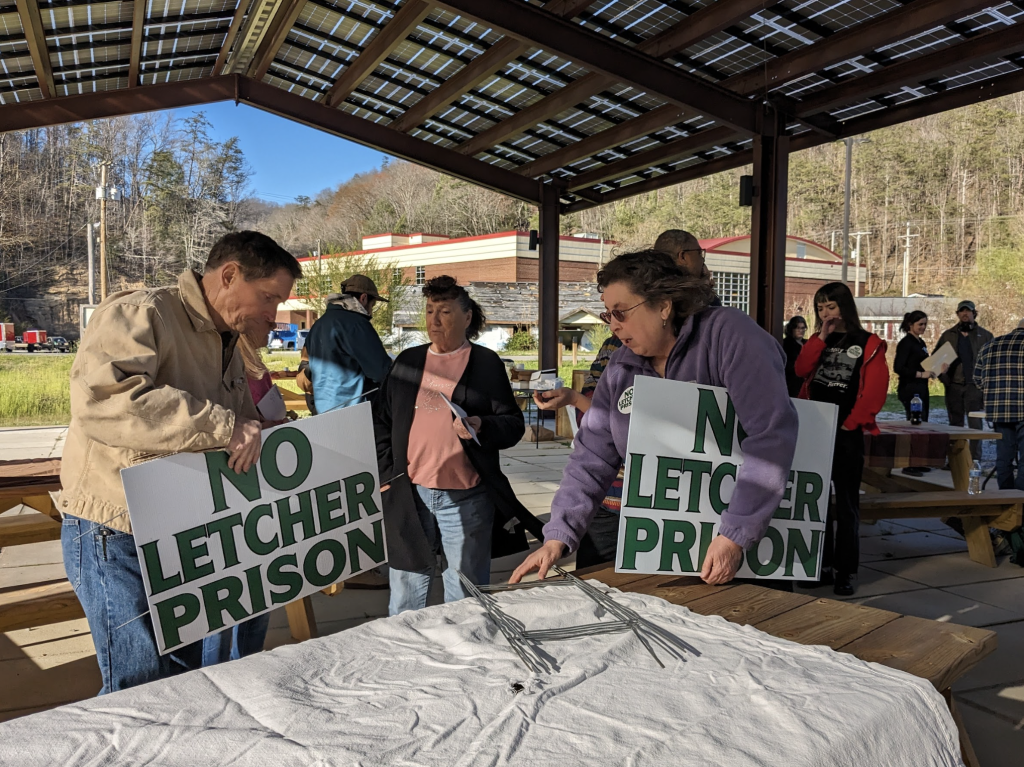
Indigenous Organization Acquires Land on Proposed Federal Prison Site in Kentucky
A controversial proposed prison site in Letcher County, Kentucky, is facing new barriers thanks to a community-based Indigenous organization and new suggested budget cuts from the U.S. Department of Justice.