

Hidden Treasures #6: West Virginia
Spotted Salamander Trail
Kanawha State Forest
(304) 558-3500
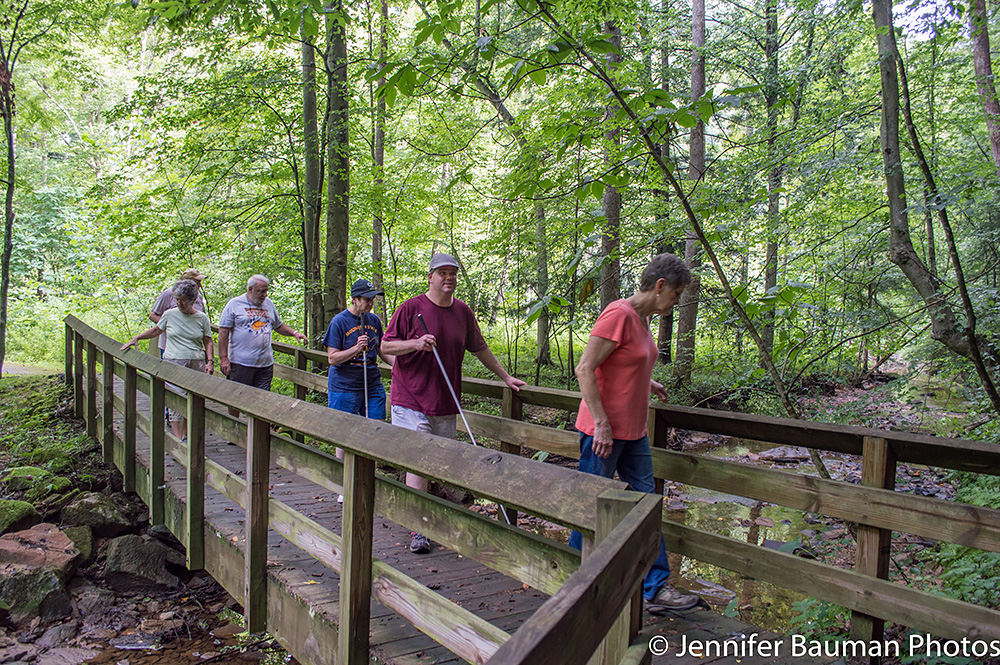
Spotted Salamander Trail.
Photo by Jennifer Bauman
In the Kanawha State Forest just outside of Charleston, W.Va., is the Spotted Salamander Trail. Named after the most commonly found salamander in the state, this quarter-mile trail was built in 1987 and underwent major renovations in 2016.
A short, paved path, the Spotted Salamander Trail was built to accommodate people with visual and physical impairments. It is wheelchair accessible, and features guide posts and ropes along the edge for the blind as well as interpretive nature stations with braille.
The renovations completed in 2016 include a paved parking area, asphalt trail repairs, new guide posts and ropes, safety fencing and a shelter with a ramp and a wheelchair-accessible picnic table.
Volunteers played a major role in the upgrades. In keeping with that spirit, a volunteer trail maintenance box at the entrance includes a pair of pruners to trim briars that could create a problem for those with visual or physical restrictions.
Guides often lead nature and bird walks along the trail, and its short distance accommodates the whole family. For those looking for a longer or more strenuous adventure, the Wildcat Ridge and Polly trails are very close by. — By Sara Crouch
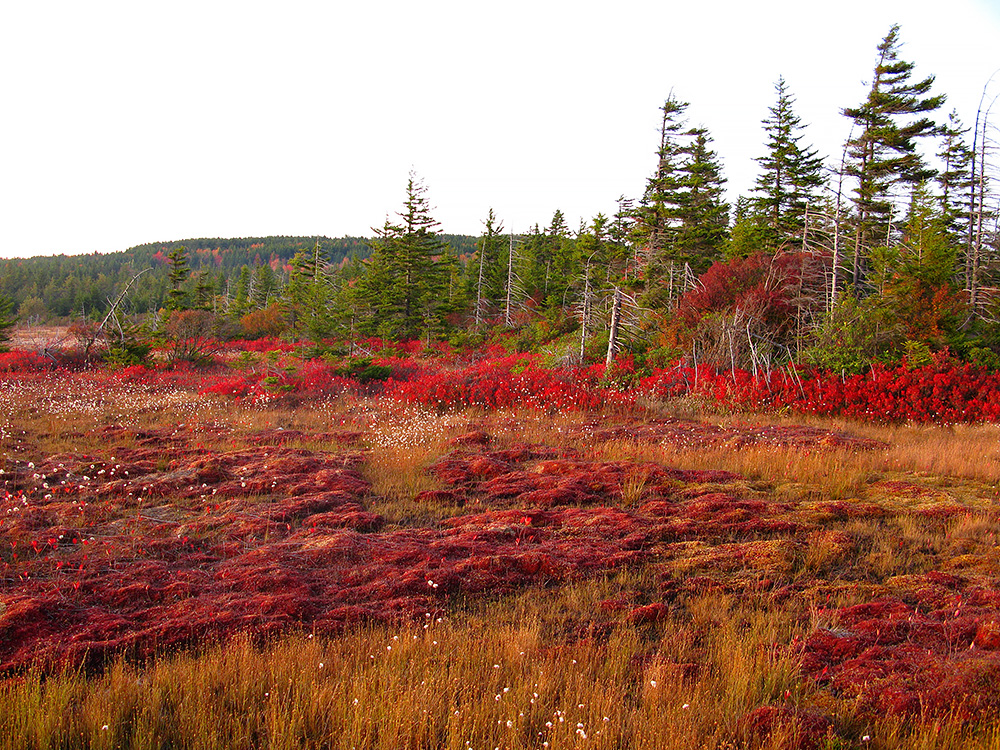
Cranberry Glades. Photo by Forest Wander.
Cranberry Glades Botanical Area
Monongahela National Forest
(304) 653-4826
In Pocahontas County, W.Va., the Cranberry Glades Botanical Area is a true treasure of the Monongahela National Forest, protecting four rare bogs and spanning 750 acres.
These glades support plants and animals that are usually found in more northern latitudes such as cranberries, skunk cabbage and the carnivorous sundew and purple pitcher plants, many of which cannot be found further south than this specific area.
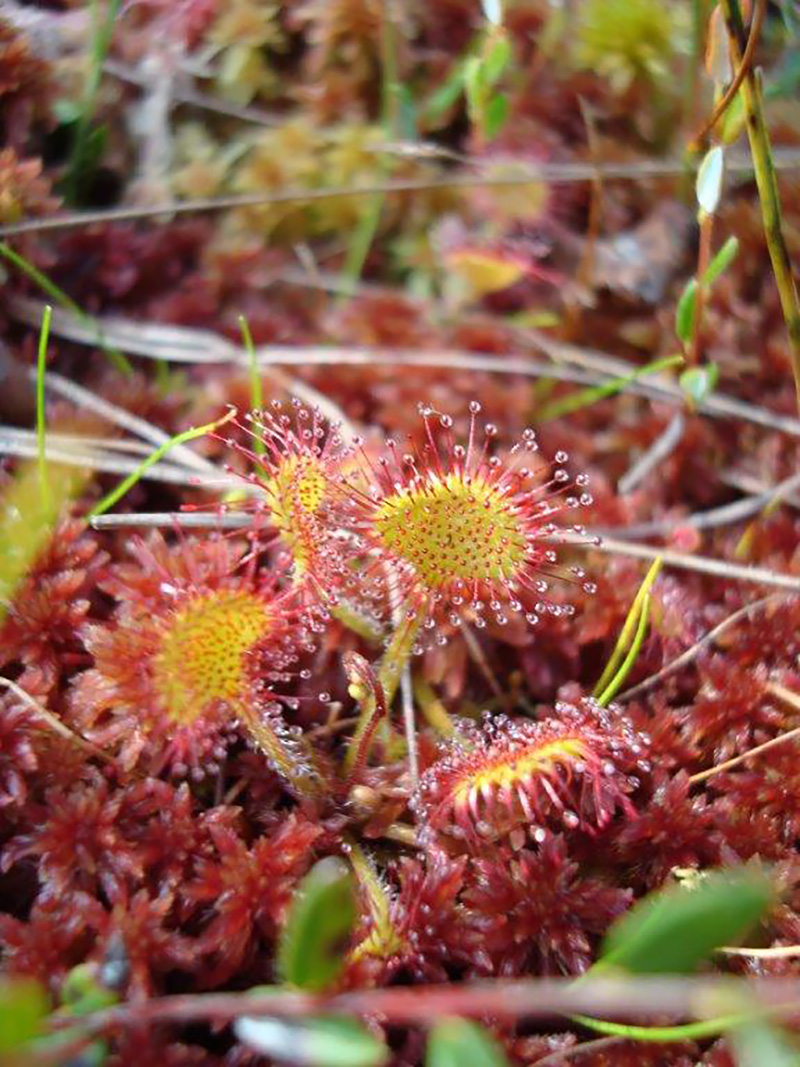
Sundew plants at Cranberry Glades. Photo by
Rosanna Springston
Cranberry Glades is encircled by Cowpasture Trail, a seven-mile hiking trail that offers a closer look at many of the rare plants in this area. Do not step off the trail, as bogs are extremely spongy and ecologically sensitive. For a more accessible option, a half-mile wheelchair-accessible boardwalk goes through two of the bogs.
The Cranberry Mountain Nature Center is nearby and offers a wealth of information about the unique plants and animals in the botanical area. While the boardwalk and trail are open year-round, the nature center is only open from mid-April to mid-October, so be sure to call before stopping in. — By Sara Crouch
Related Articles
Latest News
More Stories

‘First Line of Defense’
During Hurricane Helene and its aftermath, rural fire departments and other first responder hubs played critical roles in keeping their communities safe, even without power and cut off from outside support for days or weeks after the storm. Two years later, plenty of work remains to ensure these hubs have the resources they need to operate day to day and be ready when emergencies or natural disasters strike.

The Rocky Road — and Bridge — to Recovery
Hurricane Helene is estimated to have damaged nearly 7,000 private roads and bridges in Western North Carolina. Two years later, many restoration projects are complete, but the journey hasn’t been easy — and isn’t over for others.
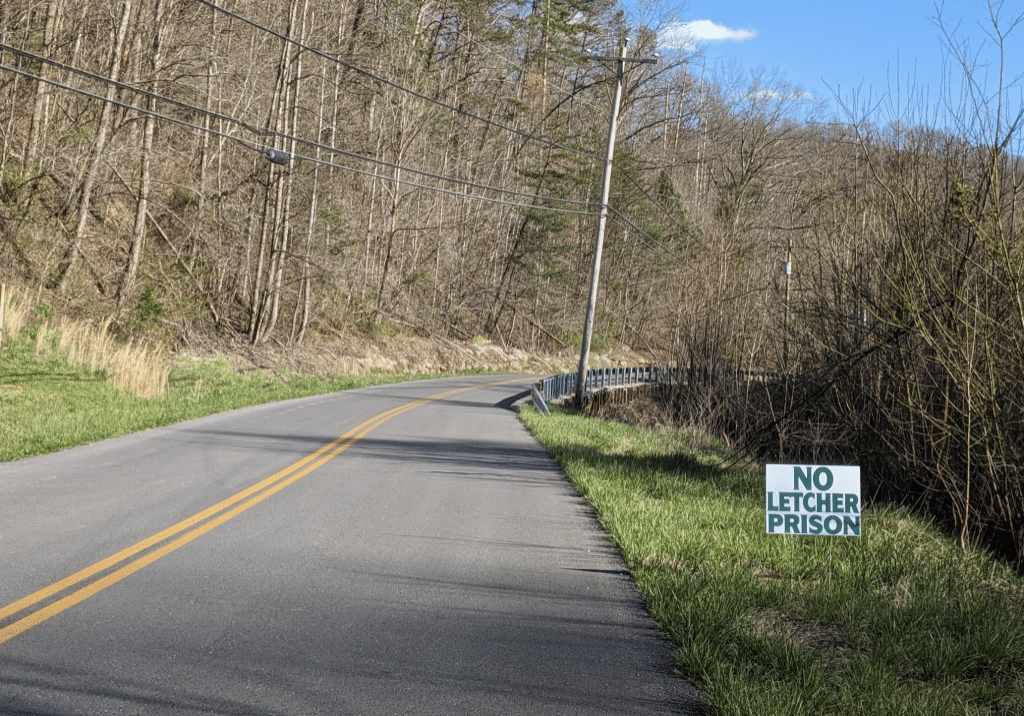
After 20 Years, Letcher County Prison Proposal Is Still Alive, Though Obstacles Remain
A $605 million proposal for a federal prison on a former strip mine site in Letcher County, Kentucky, championed by U.S. Rep. Hal Rogers, refuses to die, despite local opposition, a lack of support from the executive branch and numerous other obstacles.
The Washout and Rebuild
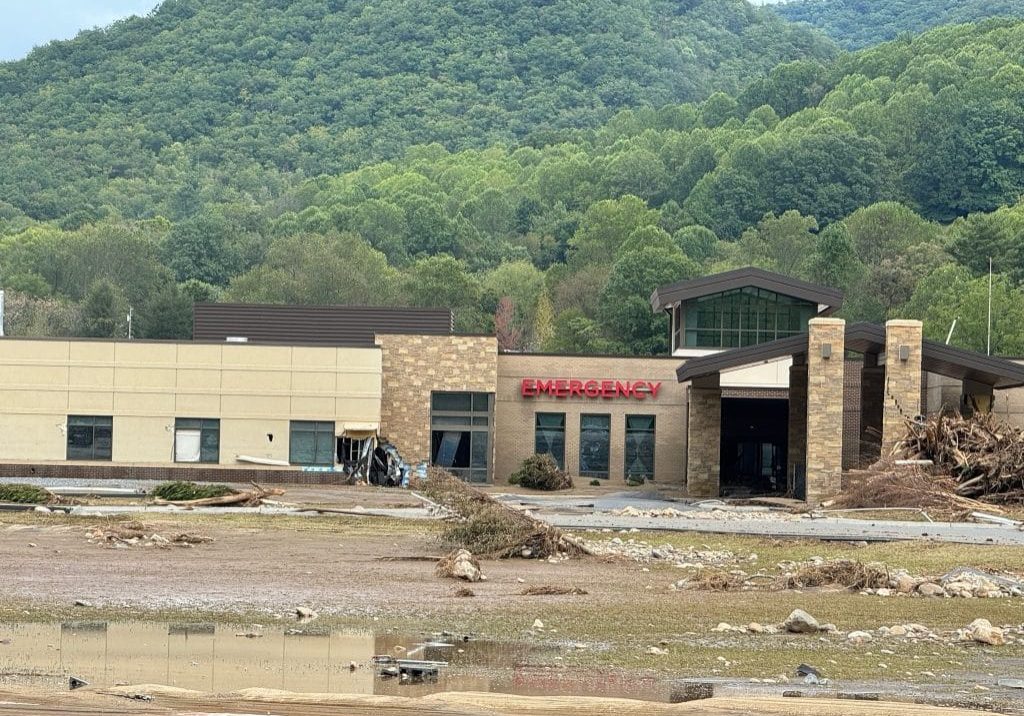
For nearly two years, residents of Unicoi County, Tennessee, have had to make do without a hospital after Hurricane Helene destroyed the rural hospital. Ballad Health, which owns the hospital, broke ground on a new location — in another floodplain — in August 2026.
The Shenandoah Salamander
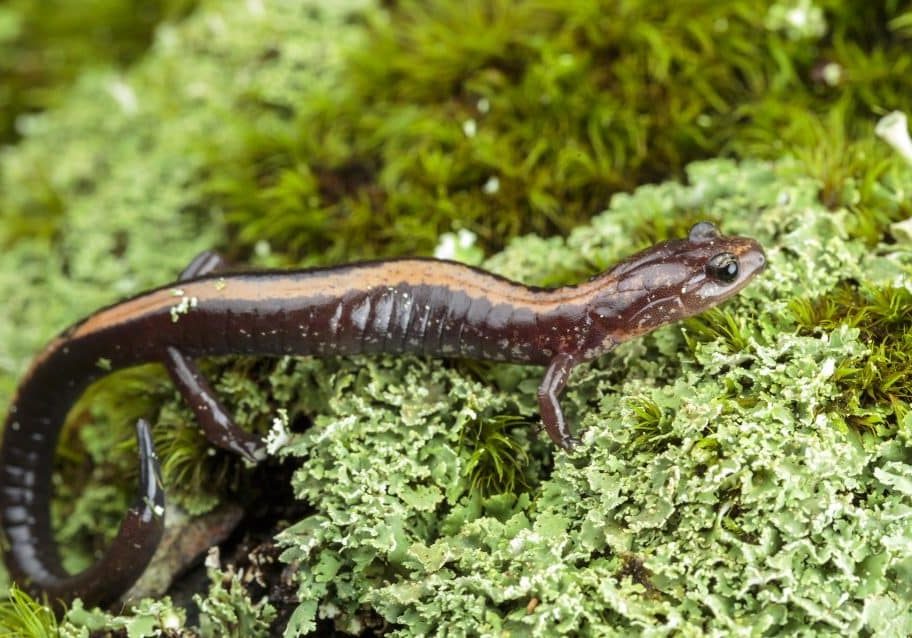
The Shenandoah salamander is a woodland salamander, which has adapted to life at higher elevations away from water. This sparkling rarity lives among the dry leaves, cracked logs, and stony hillocks on the highest peaks of Shenandoah National Park.
‘Foraging Is a Way of Connecting’
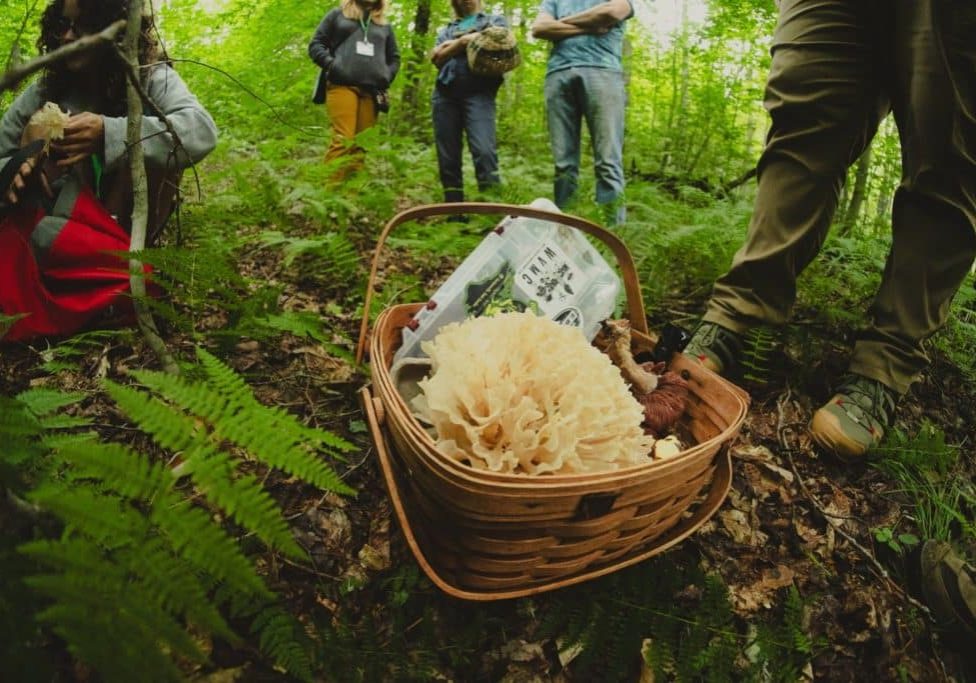
Foraging has experienced a modern resurgence, partly because of social media, online groups, the pandemic and people wanting to connect with nature. It also builds community, whether in person or online.

Leave a comment
Your email address will not be published. Required fields are marked *
Leave a Comment