

By Sara Crouch
The Stay Together Appalachian Youth (STAY) Project celebrated 10 years in July. The STAY Project is a youth-led organization of people ages 14 to 30 that aims to “make Appalachia a place young people can and want to stay,” according to Lou Murrey, current STAY project coordinator.
STAY was formed as a result of a conversation at the 2008 Appalachian Studies Association Conference about “pathways to meaningful participation of young people in the social justice work that was taking place in our region,” says Joe Tolbert, one of STAY’s founding members.
According to Tolbert, STAY also works to counter “brain drain” — the “notion that in order to go to good schools and to be successful, you have to leave the region.” To Tolbert, “it was clear that if we wanted people to stay home and in the region, we had to make sure that our home and region were able to support our staying and thriving.”
Murrey says, “It’s really hard to access our full potential when [we] don’t have access to clean water, or high paying jobs, or healthcare, or education, or if you are LGBTQ or a person of color and don’t feel safe in your community.”
The STAY Project works to help Appalachian youth reach their full potential through asking regional young people what they need to stay and work in their communities, connecting them with resources and recognizing young leaders who are already creating change.
The organization’s focus shifts as members age out and new members come in. “STAY … is the people who are there,” Murrey says.
To Murrey, STAY is home.“I finally felt like there were people who understood me, who were from Appalachia and recognize that importance and what it means,” Murrey shared. They found people like them who are “radical and queer, and allowed me to mess up and do better, to hold me accountable, but to be gentle as I learned.”
Olivia Lowery D’Amato, a STAY steering committee member from Big Stone Gap, Va., says that “I found STAY at a really great time because I was feeling loneliness, and STAY gave me a space where I could be exactly who I am.”
The 10-year anniversary was celebrated at their annual STAY Summer Institute, which allows members to come together, learn from one another, voice their goals for the coming year and decide which issues the group will address. This year, members who have aged out of STAY were invited.
To Lowery D’Amato, this milestone is a “beautiful time of reflection and celebration of where we come from … It’s this moment of reinvigoration, especially in this political climate.”
Tolbert says he is grateful for this anniversary. “At 10 years, my belief in people working to change their realities is definitely strengthened because of the legacy of us coming together to try.”
Related Articles
Latest News
More Stories
Signs of Life
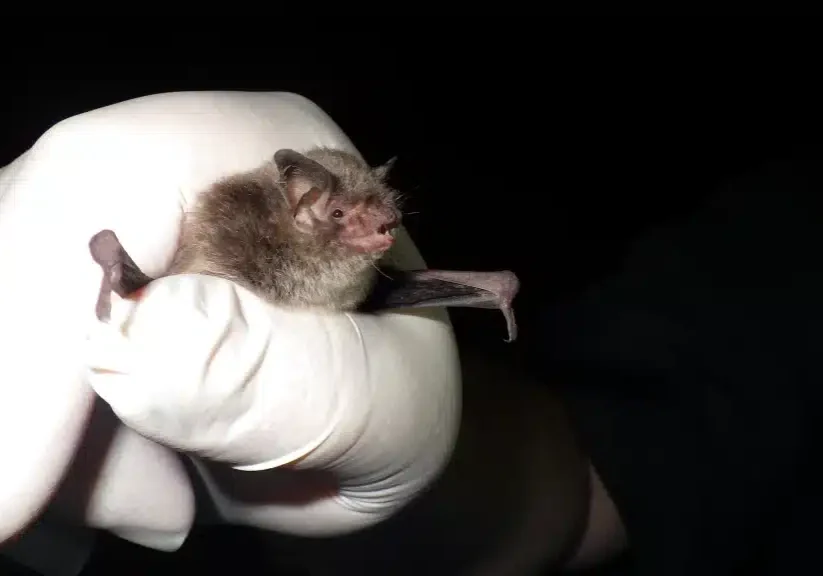
In the Nantahala National Forest, a team of biologists spotted Indiana bats, an endangered species that hasn’t been seen in North Carolina for the last 11 years.

‘First Line of Defense’
During Hurricane Helene and its aftermath, rural fire departments and other first responder hubs played critical roles in keeping their communities safe, even without power and cut off from outside support for days or weeks after the storm. Two years later, plenty of work remains to ensure these hubs have the resources they need to operate day to day and be ready when emergencies or natural disasters strike.

The Rocky Road — and Bridge — to Recovery
Hurricane Helene is estimated to have damaged nearly 7,000 private roads and bridges in Western North Carolina. Two years later, many restoration projects are complete, but the journey hasn’t been easy — and isn’t over for others.
After 20 Years, Letcher County Prison Proposal Is Still Alive, Though Obstacles Remain
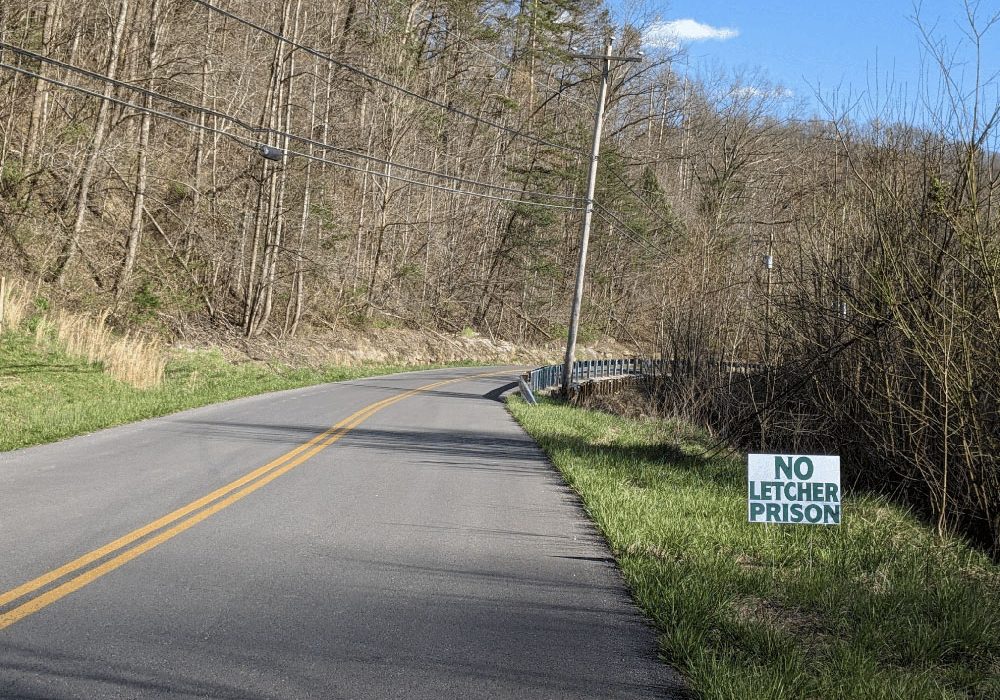
A $605 million proposal for a federal prison on a former strip mine site in Letcher County, Kentucky, championed by U.S. Rep. Hal Rogers, refuses to die, despite local opposition, a lack of support from the executive branch and numerous other obstacles.
The Washout and Rebuild
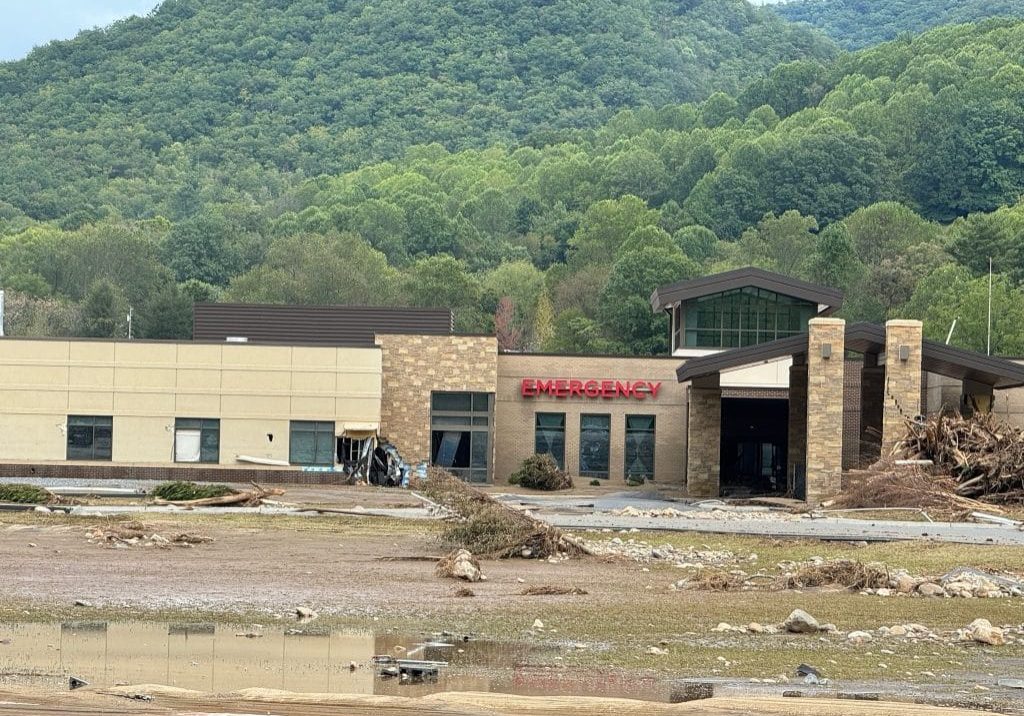
For nearly two years, residents of Unicoi County, Tennessee, have had to make do without a hospital after Hurricane Helene destroyed the rural hospital. Ballad Health, which owns the hospital, broke ground on a new location — in another floodplain — in August 2026.
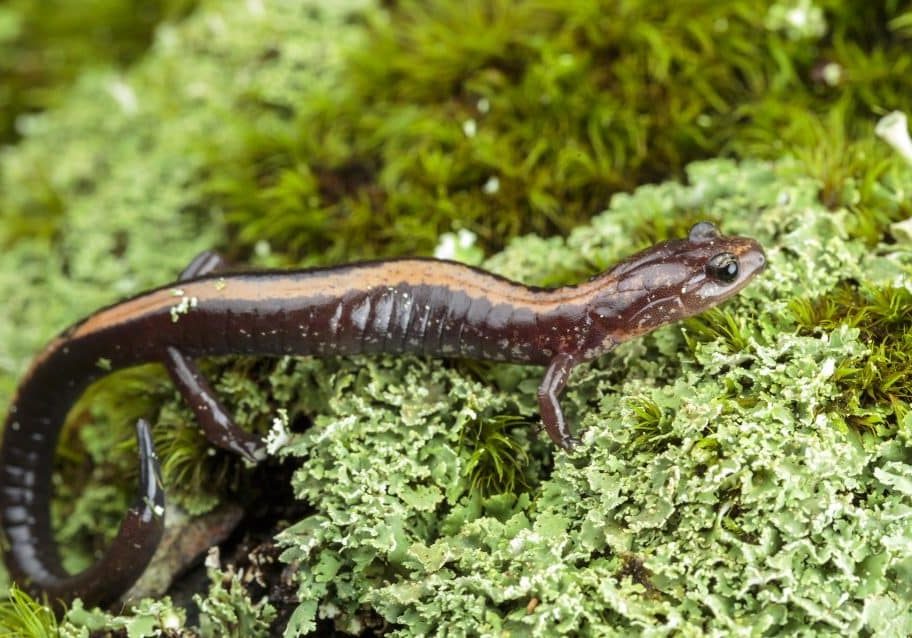
The Shenandoah Salamander
The Shenandoah salamander is a woodland salamander, which has adapted to life at higher elevations away from water. This sparkling rarity lives among the dry leaves, cracked logs, and stony hillocks on the highest peaks of Shenandoah National Park.

Leave a comment
Your email address will not be published. Required fields are marked *
Leave a Comment