

By Aaron Parlier
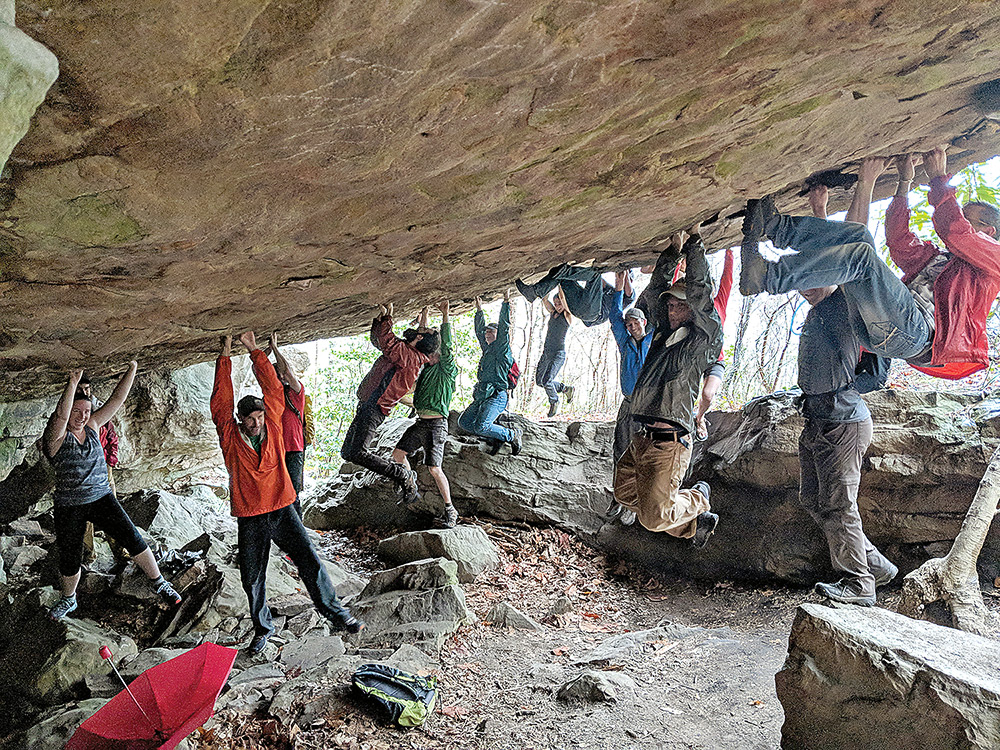
Attendees hang from Prospector’s Roof for a group photo during the two-day Access Fund climbing summit. Photo by Zachary Lesh-Huie
The two-day workshop was centered on how rock climbing is growing in the Appalachian region and how climbers and land managers can work together to ensure that the sport has a positive environmental and economic impact.
Nearly 50 climbing advocates, representatives from local climbing organizations and universities, local community leaders and land managers attended from across the East Coast. Through round-room discussions, presentations and demonstrations, attendees explored the upsides and challenges of managing climbing, including wildlife and cliff ecology, fixed anchor replacement, stewardship, trails and a host of other topics.
Brian G. Clark of Eastern Kentucky University presented the results of economic impact surveys conducted in the Red River Gorge in Kentucky and Chattanooga, Tenn., which show that regions in Appalachia with public access to world-class climbing can see substantial local economic benefits. A similar study is underway at the New River Gorge in West Virginia.
Breaks Interstate Park Superintendent Austin Bradley told attendees he was excited to see increasing visitation from climbers, whitewater paddlers and other outdoor recreation enthusiasts. Zachary Lesh-Huie with the Access Fund discussed how economic benefits from outdoor recreation at Breaks could boost local business income and park visitation alike.
Visitors to Breaks Interstate Park can experience one of the deepest river gorges in the East, world-class kayaking, and a variety of park amenities and activities. Climbers are treated to high-quality, interesting southern sandstone with a number of easily accessible route-climbing opportunities.
Workshops and summits such as this one aim to ensure that as climbing visitation increases, measures to mitigate impacts and to sustainably develop new and exciting climbing routes are established. To learn more about sustainable climbing management, visit accessfund.org
Related Articles
Latest News
More Stories
Signs of Life
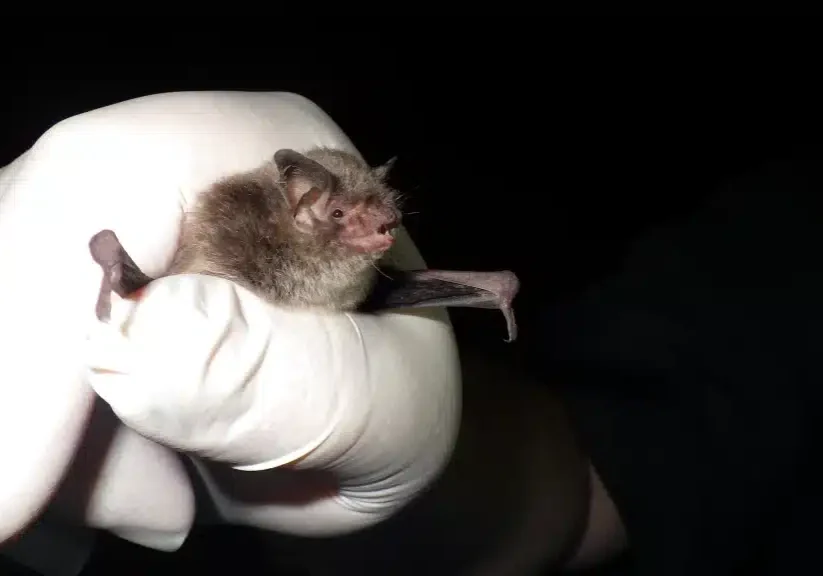
In the Nantahala National Forest, a team of biologists spotted Indiana bats, an endangered species that hasn’t been seen in North Carolina for the last 11 years.

‘First Line of Defense’
During Hurricane Helene and its aftermath, rural fire departments and other first responder hubs played critical roles in keeping their communities safe, even without power and cut off from outside support for days or weeks after the storm. Two years later, plenty of work remains to ensure these hubs have the resources they need to operate day to day and be ready when emergencies or natural disasters strike.

The Rocky Road — and Bridge — to Recovery
Hurricane Helene is estimated to have damaged nearly 7,000 private roads and bridges in Western North Carolina. Two years later, many restoration projects are complete, but the journey hasn’t been easy — and isn’t over for others.
After 20 Years, Letcher County Prison Proposal Is Still Alive, Though Obstacles Remain
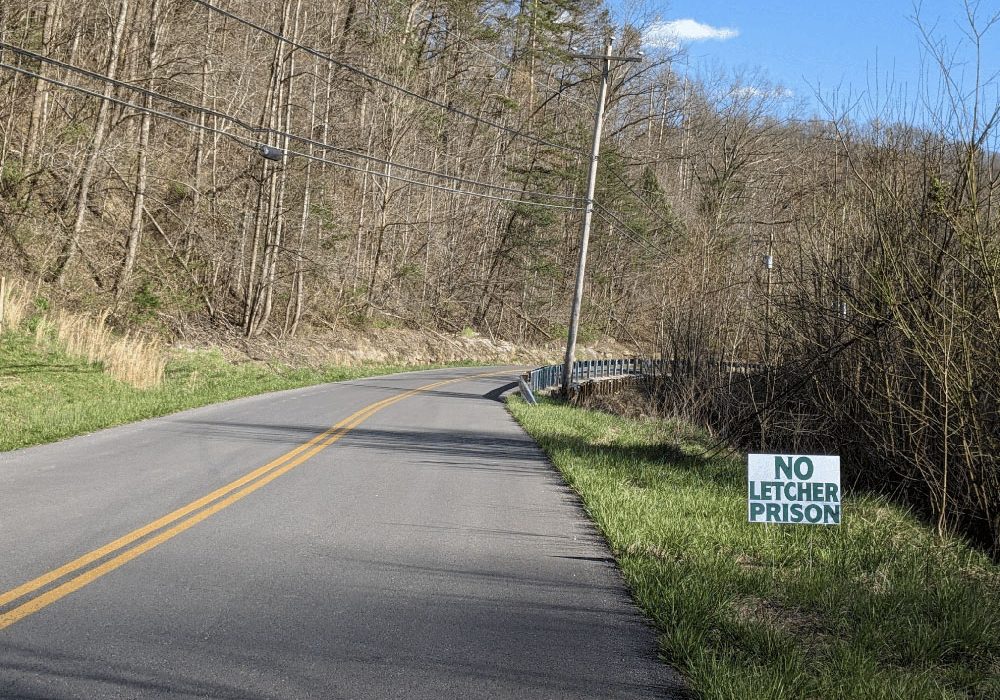
A $605 million proposal for a federal prison on a former strip mine site in Letcher County, Kentucky, championed by U.S. Rep. Hal Rogers, refuses to die, despite local opposition, a lack of support from the executive branch and numerous other obstacles.
The Washout and Rebuild
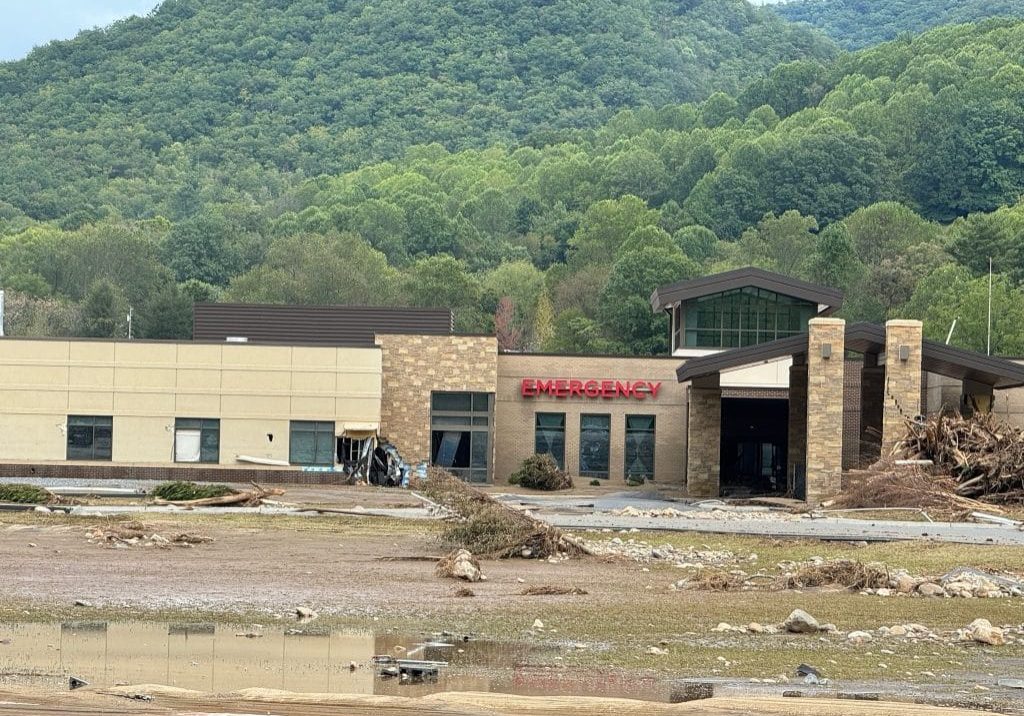
For nearly two years, residents of Unicoi County, Tennessee, have had to make do without a hospital after Hurricane Helene destroyed the rural hospital. Ballad Health, which owns the hospital, broke ground on a new location — in another floodplain — in August 2026.

The Shenandoah Salamander
The Shenandoah salamander is a woodland salamander, which has adapted to life at higher elevations away from water. This sparkling rarity lives among the dry leaves, cracked logs, and stony hillocks on the highest peaks of Shenandoah National Park.

Leave a comment
Your email address will not be published. Required fields are marked *
Leave a Comment