

By Lou Murrey
On May 16, Gov. Bill Haslam signed the Tennessee Broadband Accessibility Act, which will provide $45 million in grants and tax credits for private companies like AT&T and Charter to subsidize the buildout of rural fiber networks.
William Isom of the Sustainable Equitable Agricultural Development Taskforce, a group working on getting community-owned broadband to rural areas, describes the law as “a good first step, but funding broadband infrastructure is really a billion dollar problem.”
One-third of Tennesseans are unserved or underserved by high-speed internet, yet this law restricts municipal, publicly owned broadband networks, like the Gig in Chattanooga, from expanding beyond their service footprint.
The newly signed bill does, however, allow Tennessee’s rural electric cooperatives to provide broadband where previously they were restricted. Isom particularly sees potential for electric cooperatives to connect rural areas to internet access.
“We have good working relationships with the utility boards and we’re excited about an opportunity to engage with our electric cooperatives in Tennessee,” he says.
The cooperatives seem ready to engage too. Volunteer Energy Cooperative devoted the first page of their April newsletter to the issue of broadband. SEAD held three informational workshops in Cumberland County for Volunteer Energy members in early May.
Even the Tennessee Valley Authority wants to get in on the broadband opportunity. The federally owned utility announced in May that they plan to invest $300 million in installing 3,500 miles of fiber optic across their seven-state region.
Related Articles
Latest News
More Stories

‘First Line of Defense’
During Hurricane Helene and its aftermath, rural fire departments and other first responder hubs played critical roles in keeping their communities safe, even without power and cut off from outside support for days or weeks after the storm. Two years later, plenty of work remains to ensure these hubs have the resources they need to operate day to day and be ready when emergencies or natural disasters strike.

The Rocky Road — and Bridge — to Recovery
Hurricane Helene is estimated to have damaged nearly 7,000 private roads and bridges in Western North Carolina. Two years later, many restoration projects are complete, but the journey hasn’t been easy — and isn’t over for others.
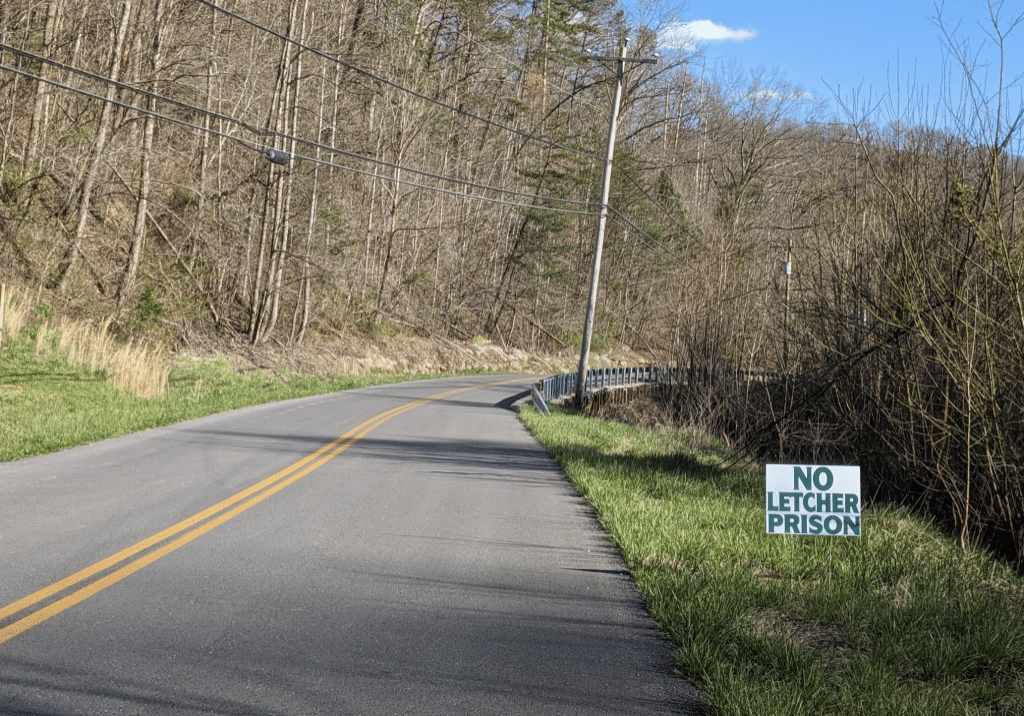
After 20 Years, Letcher County Prison Proposal Is Still Alive, Though Obstacles Remain
A $605 million proposal for a federal prison on a former strip mine site in Letcher County, Kentucky, championed by U.S. Rep. Hal Rogers, refuses to die, despite local opposition, a lack of support from the executive branch and numerous other obstacles.
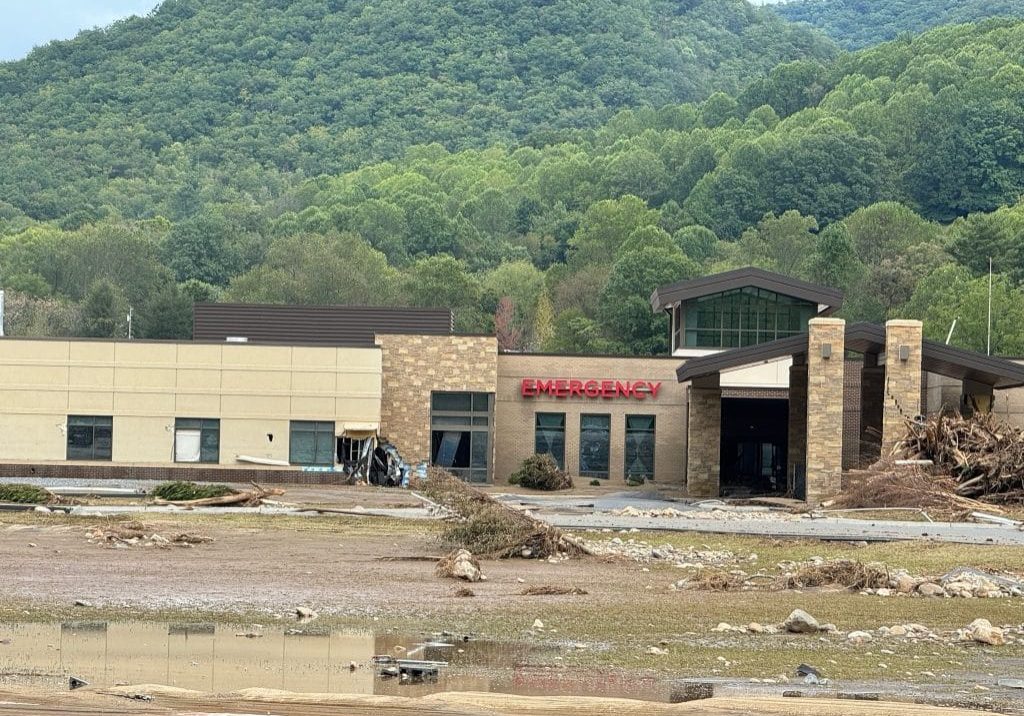
The Washout and Rebuild
For nearly two years, residents of Unicoi County, Tennessee, have had to make do without a hospital after Hurricane Helene destroyed the rural hospital. Ballad Health, which owns the hospital, broke ground on a new location — in another floodplain — in August 2026.

The Shenandoah Salamander
The Shenandoah salamander is a woodland salamander, which has adapted to life at higher elevations away from water. This sparkling rarity lives among the dry leaves, cracked logs, and stony hillocks on the highest peaks of Shenandoah National Park.
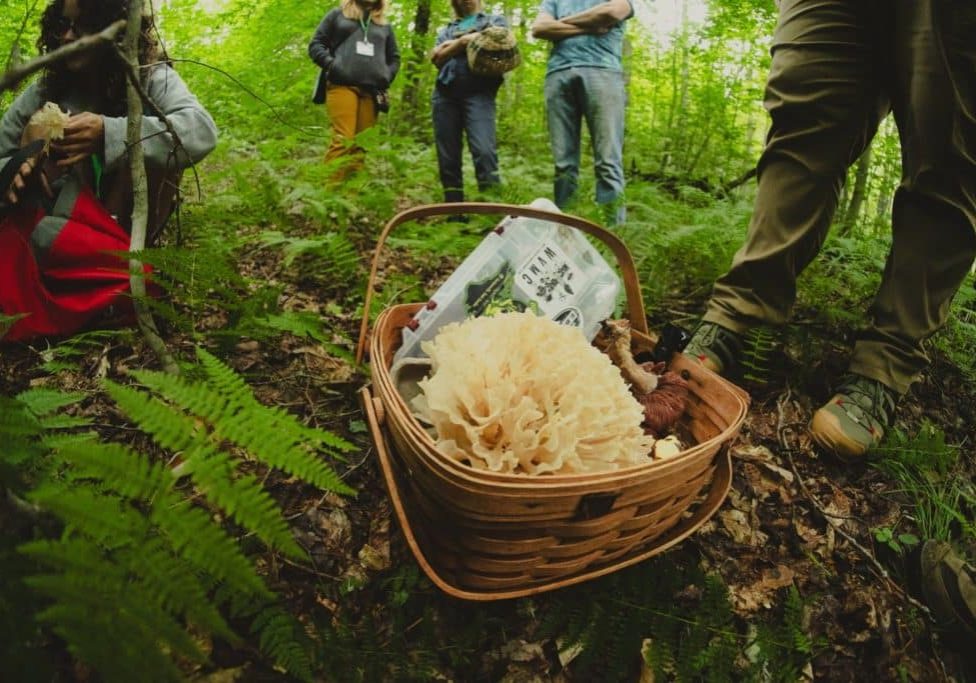
‘Foraging Is a Way of Connecting’
Foraging has experienced a modern resurgence, partly because of social media, online groups, the pandemic and people wanting to connect with nature. It also builds community, whether in person or online.

Leave a comment
Your email address will not be published. Required fields are marked *
2 responses to “Tennessee Broadband Law Brings Opportunities and Restrictions”
-

People need good internet speed and assurance that their data must be protected from any hacker attack.
-
Restrictions are necessary for internet users. Actually restrictions helps to save your privacy from internet attacks.


Leave a Comment