

Building Community Internet in the Clearfork Valley
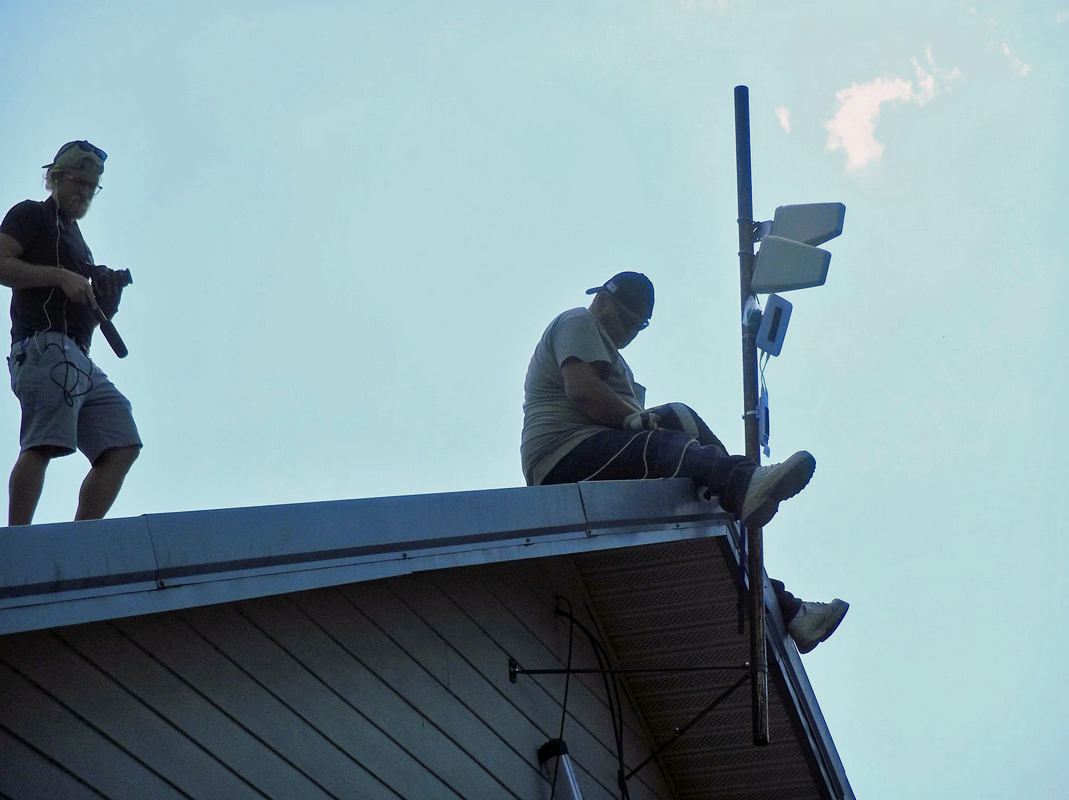
Jake Resor, left, and Mike Marlowe, right, install a new antenna on the Clearfork Community Institute in July 2020 to expand the internet hotspot. Photo courtesy of Southern Connected Communities
SCC Project Coordinator April Jarocki states that for three years, volunteers and advocates with different organizations attended county commissioner meetings, lobbied in the state capitol and met with local cooperatives and internet providers to try and improve internet access. Finally, they decided that the best way forward was to build their own infrastructure.
In 2018, the Southern Connected Communities project won a $400,000 grant from Mozilla and the National Science Foundation to improve rural broadband access. Now, the Clearfork Community Institute in Clairfield is a public hotspot thanks to an 80-foot wireless tower that is owned and operated by local residents.

April Jarocki, left, and an engineer work on an internet antenna outside of the Clearfork Community Institute in September 2019. Photo courtesy of Southern Connected Communities
The tower works by accessing a public broadband spectrum and redistributing the signal using line-of-sight technology. This means that the receiver must have a direct path to the connection point that is clear of obstructions like trees or hills. Although inclement weather can affect the signal, line-of-sight broadband fares much better in storms than satellite internet. The system is also much cheaper to set up than running wired fiber infrastructure into rural areas, which can cost up to $40,000 a mile, according to Jarocki.
“Before this, here at the center we had satellite [internet], which has a data limit and is not very stable,” Jarocki says. “That’s the only service provided up here in this area.”
In addition to the cyber cafe, Southern Connected Communities helped to launch a wireless hotspot lending program with the Stokely Memorial Library in Cocke County, Tennessee. Patrons can check out one of 10 laptops with a mobile hotspot to bring home.
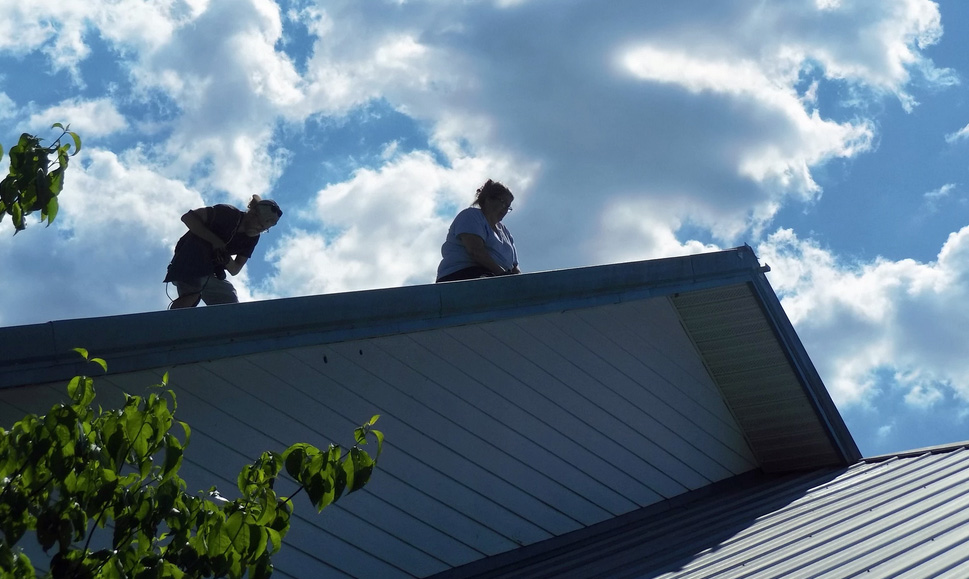
Jake Resor, left, and April Jarocki, right, stand on top of the Clearkfork Community Institute during the installation of a new internet antenna on the building in July 2020. Photo courtesy of Southern Connected Communities
“Everybody needs this service,” Huddleston said in the SCC video. “There’s so many kids out here that are needing the internet and stuff for their school.”

This wireless internet antenna on the Clearfork Community Institute, installed in July 2020, extends the range of CCI’s internet hotspot by an additional 528 feet. Photo courtesy of Southern Connected Communities
“On a daily basis, we have about 10 people that park along the side of the road or sit outside and use it,” says Jarocki.
Eventually, Jarocki would like SCC to be able to bring internet access straight to people’s homes and become a fully realized community-owned internet service provider. This would require additional funding and an agreement with a separate internet service provider to supply the backbone for the network. SCC is currently running a fundraising campaign to help cover the costs of bringing internet to Clairfield.
In the Nov. 30 video, Gayle Huddleston pointed out how internet access could change lives in the community.
“About the only two things that they did here was coal mining and logging,” said Huddleston. “We’ve watched the mines close, but with the internet, there’s just so much more they could do.”
Related Articles
Latest News
More Stories
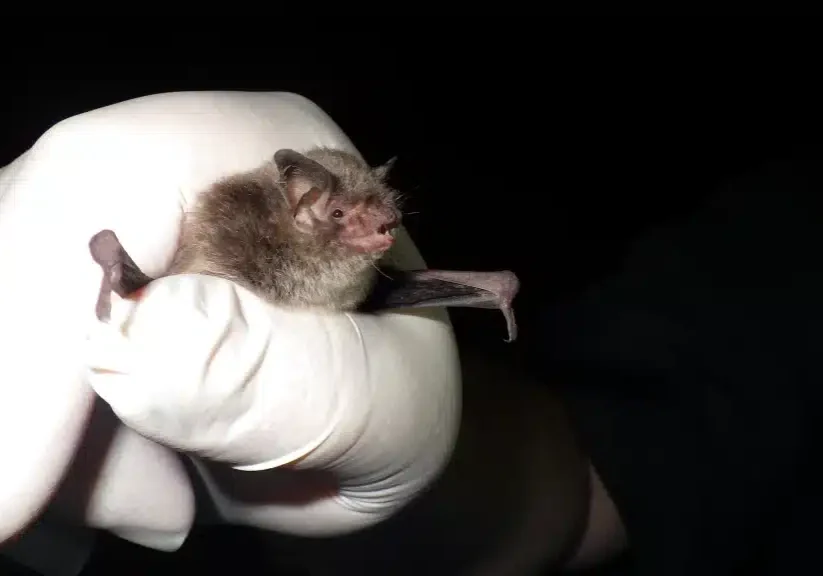
Signs of Life
In the Nantahala National Forest, a team of biologists spotted Indiana bats, an endangered species that hasn’t been seen in North Carolina for the last 11 years.

‘First Line of Defense’
During Hurricane Helene and its aftermath, rural fire departments and other first responder hubs played critical roles in keeping their communities safe, even without power and cut off from outside support for days or weeks after the storm. Two years later, plenty of work remains to ensure these hubs have the resources they need to operate day to day and be ready when emergencies or natural disasters strike.

The Rocky Road — and Bridge — to Recovery
Hurricane Helene is estimated to have damaged nearly 7,000 private roads and bridges in Western North Carolina. Two years later, many restoration projects are complete, but the journey hasn’t been easy — and isn’t over for others.
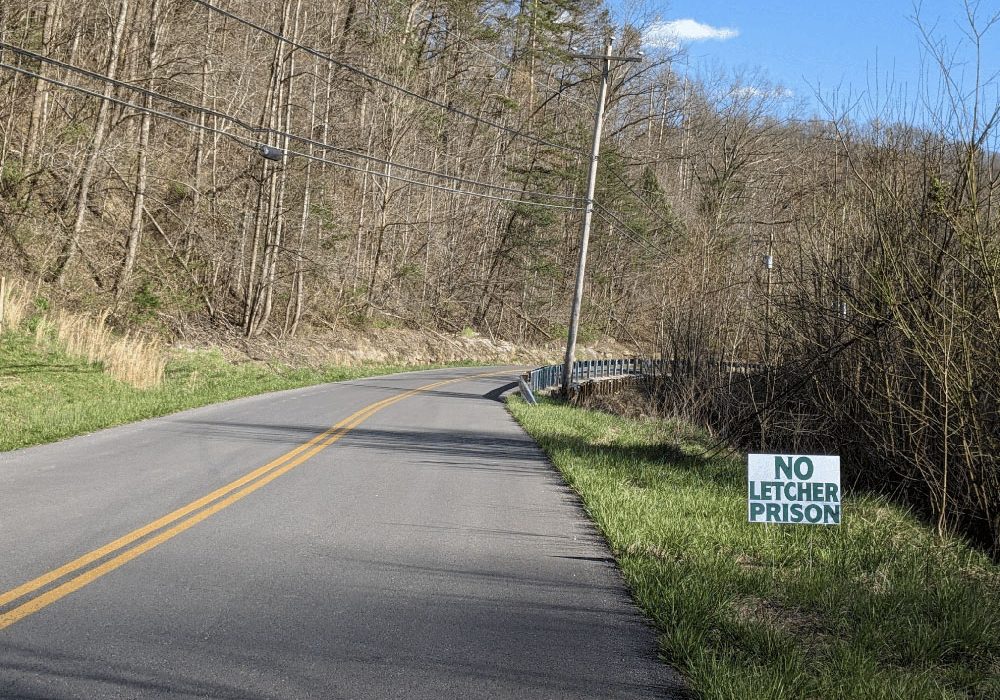
After 20 Years, Letcher County Prison Proposal Is Still Alive, Though Obstacles Remain
A $605 million proposal for a federal prison on a former strip mine site in Letcher County, Kentucky, championed by U.S. Rep. Hal Rogers, refuses to die, despite local opposition, a lack of support from the executive branch and numerous other obstacles.
The Washout and Rebuild
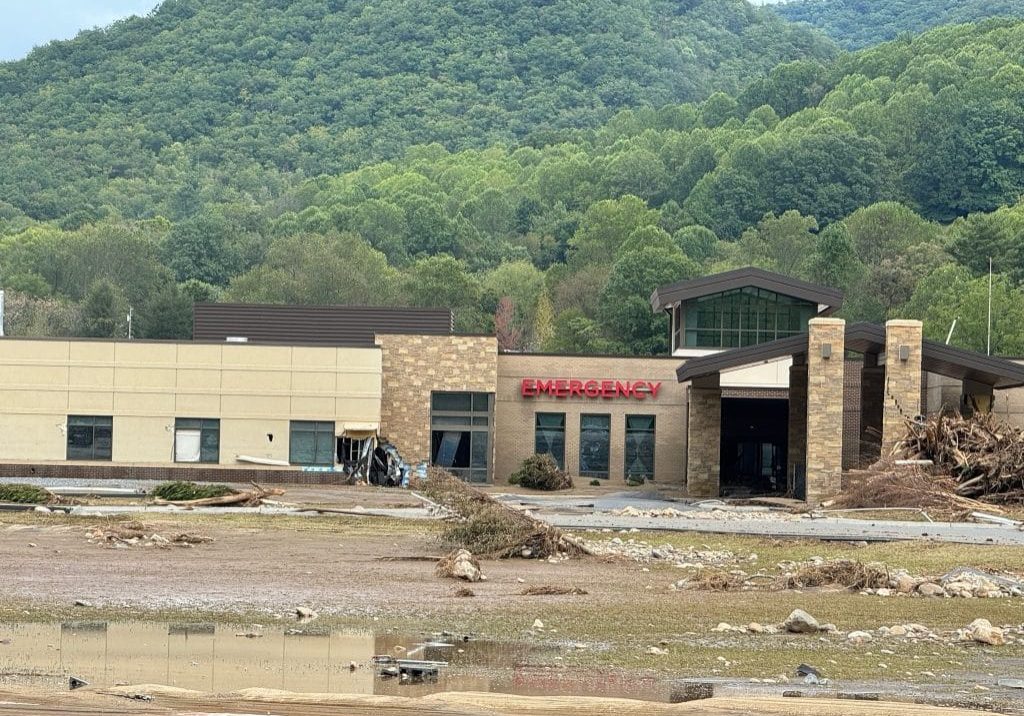
For nearly two years, residents of Unicoi County, Tennessee, have had to make do without a hospital after Hurricane Helene destroyed the rural hospital. Ballad Health, which owns the hospital, broke ground on a new location — in another floodplain — in August 2026.

The Shenandoah Salamander
The Shenandoah salamander is a woodland salamander, which has adapted to life at higher elevations away from water. This sparkling rarity lives among the dry leaves, cracked logs, and stony hillocks on the highest peaks of Shenandoah National Park.

Leave a comment
Your email address will not be published. Required fields are marked *
Leave a Comment