

West Virginia County Denied Regulation of Frack Wastewater, Regional Problem Unveiled
By Eliza Laubach
A federal judge recently invalidated an ordinance concerning hydraulic fracturing, or fracking, passed in West Virginia last January. The Fayette County Commission’s ordinance banned fracking wastewater from being stored, disposed of or used in the county, except for temporary on-site storage.
The commission argued that county officials are allowed to protect residents’ health and welfare, but Judge Copenhaven ruled that the state has greater authority to manage fracking wastewater. The decision also served as a summary judgment on a lawsuit EQT Production Company filed against the commission regarding the ban and came just before a hearing was set to be held on the case. The commission plans to appeal the decision, according to The Register-Herald.
Frack wastewater contains endocrine disruptors, which are linked to birth defects and certain cancers. Researchers found these chemicals in a Fayette County creek near a storage site owned by a construction company that also sued the commission, according the The Register-Herald.
A June report by The Center for Public Integrity reveals that within the Marcellus Shale gas-drilling region, states have inconsistently regulated the industry’s by-products, which also include sludge, rock and soiled equipment. For instance, the report found intrastate transportation of radioactive sludge to landfills without much oversight. In May, environmental and community groups filed suit against the U.S. Environmental Protection Agency seeking stronger regulations for frack waste.
Related Articles
Latest News
More Stories

Signs of Life
In the Nantahala National Forest, a team of biologists spotted Indiana bats, an endangered species that hasn’t been seen in North Carolina for the last 11 years.

‘First Line of Defense’
During Hurricane Helene and its aftermath, rural fire departments and other first responder hubs played critical roles in keeping their communities safe, even without power and cut off from outside support for days or weeks after the storm. Two years later, plenty of work remains to ensure these hubs have the resources they need to operate day to day and be ready when emergencies or natural disasters strike.

The Rocky Road — and Bridge — to Recovery
Hurricane Helene is estimated to have damaged nearly 7,000 private roads and bridges in Western North Carolina. Two years later, many restoration projects are complete, but the journey hasn’t been easy — and isn’t over for others.
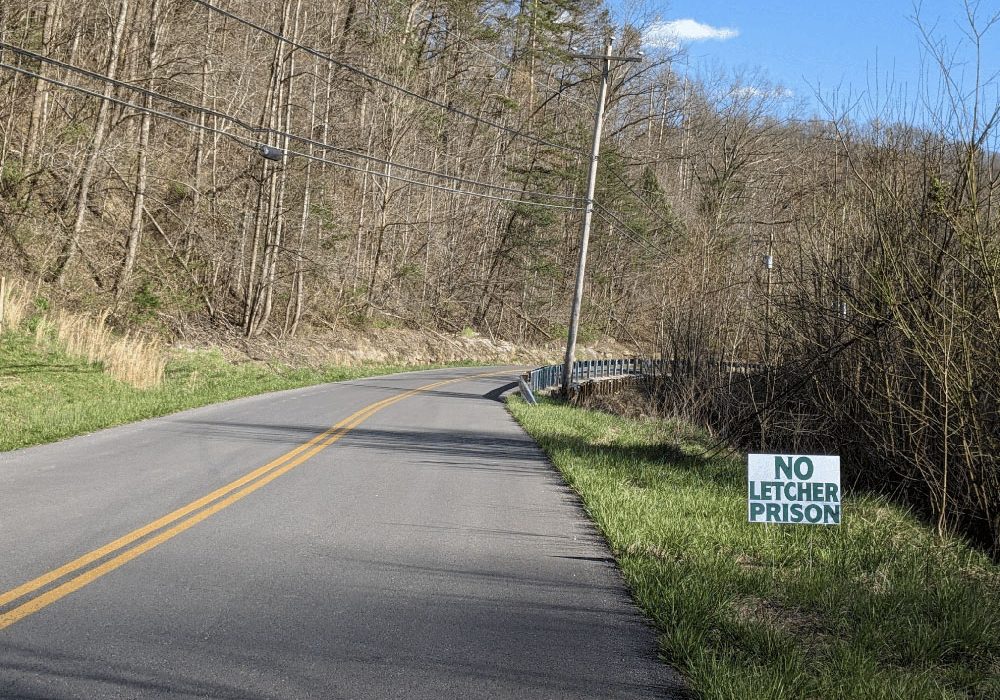
After 20 Years, Letcher County Prison Proposal Is Still Alive, Though Obstacles Remain
A $605 million proposal for a federal prison on a former strip mine site in Letcher County, Kentucky, championed by U.S. Rep. Hal Rogers, refuses to die, despite local opposition, a lack of support from the executive branch and numerous other obstacles.
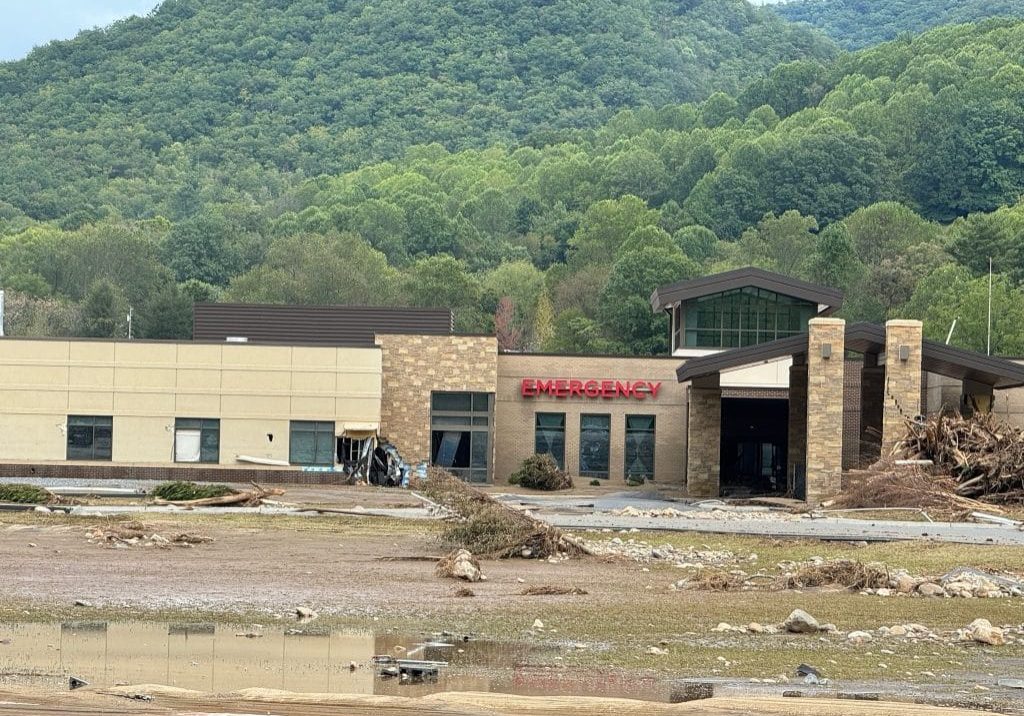
The Washout and Rebuild
For nearly two years, residents of Unicoi County, Tennessee, have had to make do without a hospital after Hurricane Helene destroyed the rural hospital. Ballad Health, which owns the hospital, broke ground on a new location — in another floodplain — in August 2026.

The Shenandoah Salamander
The Shenandoah salamander is a woodland salamander, which has adapted to life at higher elevations away from water. This sparkling rarity lives among the dry leaves, cracked logs, and stony hillocks on the highest peaks of Shenandoah National Park.

Leave a comment
Your email address will not be published. Required fields are marked *
Leave a Comment