

Connecting the Economic Dots in Southwest Virginia
More than 300 people who attended the 2016 Economic Forum on May 12 hosted by the University of Virginia’s College at Wise. The forum brought together public, private and nonprofit entities — including Appalachian Voices — working on economic development initiatives to help move Southwest Virginia forward.
Although the region is struggling, there are opportunities, too. Under the Obama administration’s POWER Initiative to boost areas around the country hit hard by coal’s decline, the 2016 federal budget includes a total of $65 million for matching grants. And if passed, the bipartisan RECLAIM Act would release an additional $1 billion over five years for remediation of abandoned mine lands that have a post-cleanup economic benefit.
During afternoon breakout sessions, attendees discussed topics such as education, workforce development, health, supporting existing businesses, attracting new businesses, developing the region’s agricultural and natural assets, and tapping into emerging industries like solar energy.
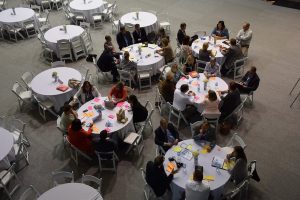
During breakout sessions, attendees discussed solar energy, agriculture, health and more.
Developing solar energy in Southwest Virginia was one of the featured topics at the Appalachian Voices booth. For the past several months, we have been partnering with the nonprofit organization Appalachian Institute for Renewable Energy to research opportunities for community-scale solar energy in the region. Our focus is on building the local economy by generating local jobs and relying on local services.
Our booth also focused on the opportunity to reclaim abandoned mine lands (generally strip mines closed prior to 1977) in a way that also develops economic opportunities such as solar energy. Appalachian Voices is currently working with environmental consulting firm Downstream Strategies and engineering firm Coal Mining Engineering Systems, LLC, to identify optimal sites for potential funding under the RECLAIM Act.
Hundreds of ideas came out of the breakout sessions at the economic forum and are posted on the UVA-Wise website. Six action teams will continue to develop those ideas in advance of a 90-day progress meeting scheduled for Aug. 24.
For more information on the forum, visit tinyurl.com/swva-economic-forum. To learn more about our work, visit appvoices.org/new-economy.
Related Articles
Latest News
More Stories

‘First Line of Defense’
During Hurricane Helene and its aftermath, rural fire departments and other first responder hubs played critical roles in keeping their communities safe, even without power and cut off from outside support for days or weeks after the storm. Two years later, plenty of work remains to ensure these hubs have the resources they need to operate day to day and be ready when emergencies or natural disasters strike.

The Rocky Road — and Bridge — to Recovery
Hurricane Helene is estimated to have damaged nearly 7,000 private roads and bridges in Western North Carolina. Two years later, many restoration projects are complete, but the journey hasn’t been easy — and isn’t over for others.
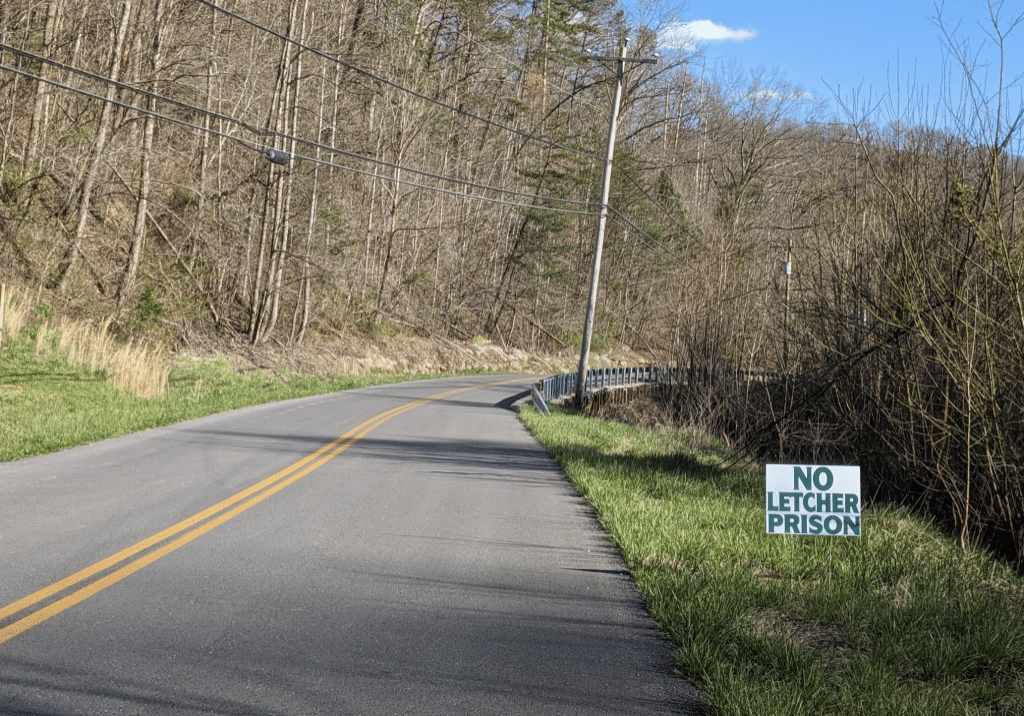
After 20 Years, Letcher County Prison Proposal Is Still Alive, Though Obstacles Remain
A $605 million proposal for a federal prison on a former strip mine site in Letcher County, Kentucky, championed by U.S. Rep. Hal Rogers, refuses to die, despite local opposition, a lack of support from the executive branch and numerous other obstacles.
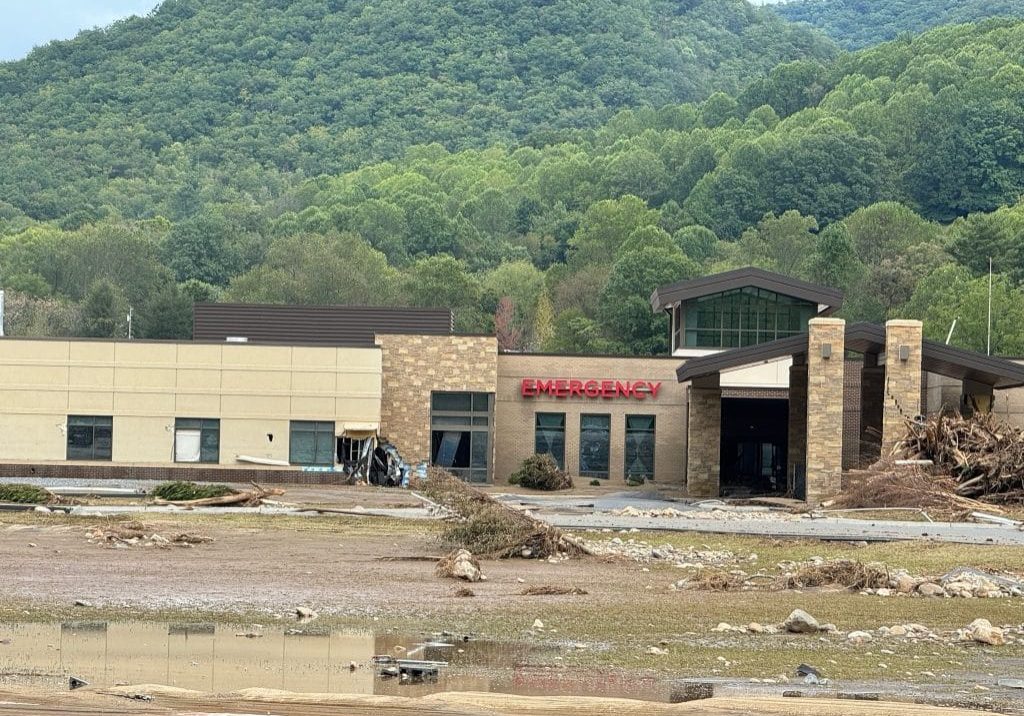
The Washout and Rebuild
For nearly two years, residents of Unicoi County, Tennessee, have had to make do without a hospital after Hurricane Helene destroyed the rural hospital. Ballad Health, which owns the hospital, broke ground on a new location — in another floodplain — in August 2026.

The Shenandoah Salamander
The Shenandoah salamander is a woodland salamander, which has adapted to life at higher elevations away from water. This sparkling rarity lives among the dry leaves, cracked logs, and stony hillocks on the highest peaks of Shenandoah National Park.
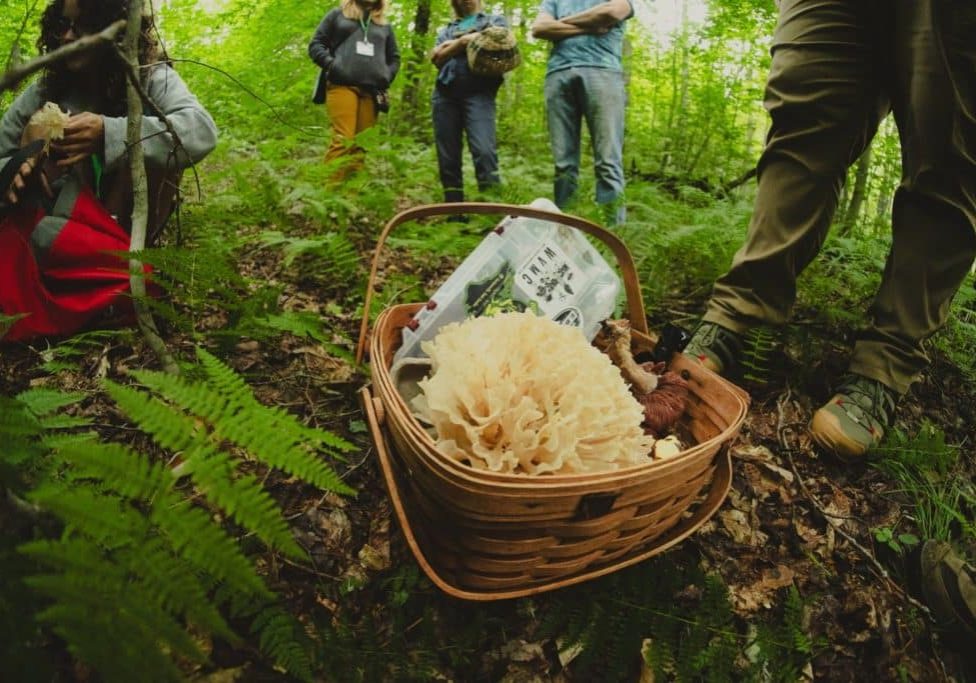
‘Foraging Is a Way of Connecting’
Foraging has experienced a modern resurgence, partly because of social media, online groups, the pandemic and people wanting to connect with nature. It also builds community, whether in person or online.

Leave a comment
Your email address will not be published. Required fields are marked *
Leave a Comment