

N.C. Citizens Affected By Coal Ash Speak Out
Statewide and Unified
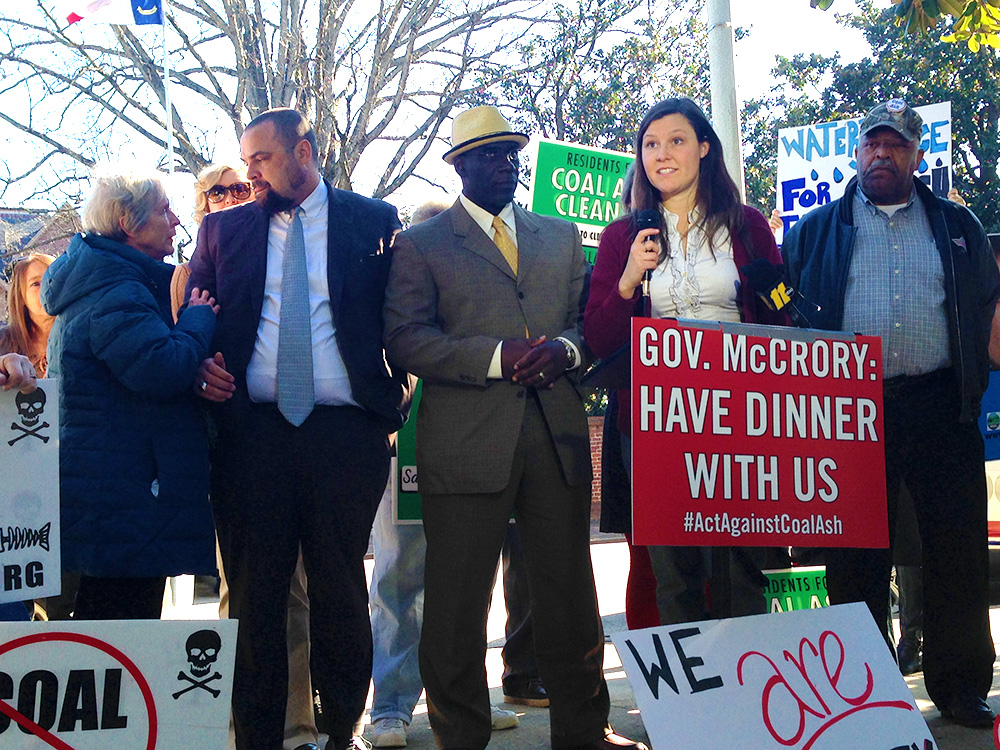
Sarah Kellogg of Appalachian Voices speaks at an ACT Agasint Coal Ash press conference.
In North Carolina, a remarkable coalition of citizens directly impacted by coal ash is proposing a better path forward, one which will force Duke Energy to clean up its decades of toxic coal ash without dumping it on any other communities.
The Alliance of Carolinians Together Against Coal Ash formed in late July, and since then, the group has brought public attention to the need for proper coal ash cleanup. ACT Against Coal Ash has also created a space for residents whose health, water and homes have been harmed by Duke’s coal ash to find solidarity and support. Appalachian Voices was integral to the formation of the Alliance and we continue to co-facilitate ACT and work with partners to include more affected communities.
ACT Against Coal Ash started off the new year by releasing a set of unifying principles that call on Duke Energy and North Carolina decision makers to put the people most impacted by coal ash first. The principles demand transparency and effective coal ash cleanup that keeps the ash on Duke’s property instead of moving it to new communities. The principles also insist that Duke’s neighbors be permanently supplied with safe drinking water and be compensated for lost property values and health care costs, along with other common sense demands.
In March, the N.C. Department of Environmental Quality will hold public hearings near coal ash sites across the state. Read more about the Alliance at ACTAgainstCoalAsh.org and find out how to join us at the upcoming public hearings at AppVoices.org/coalash/hearings.
Related Articles
Latest News
More Stories
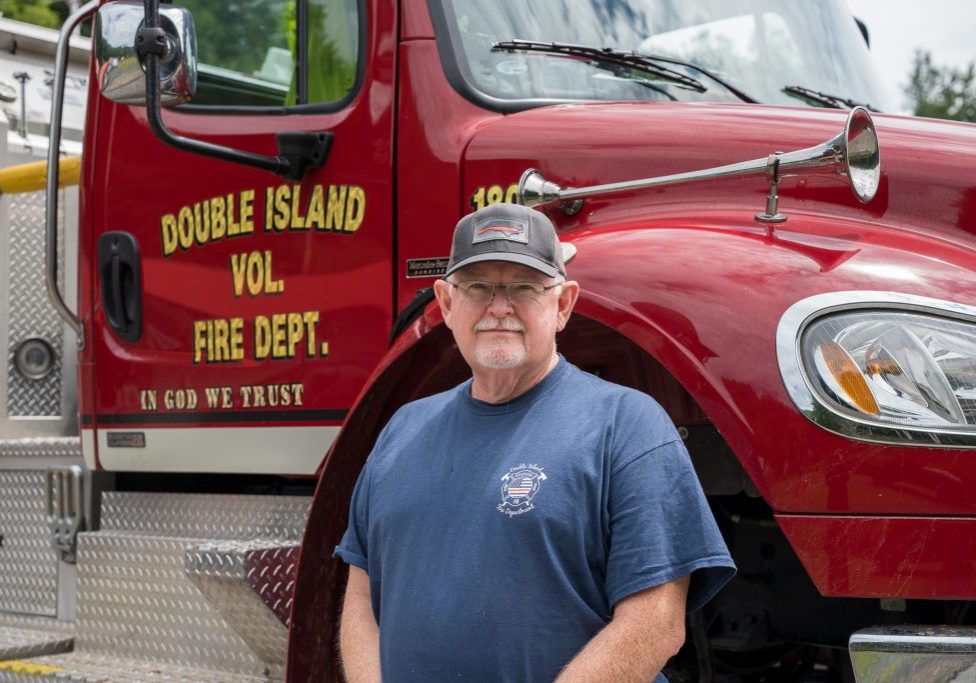
‘First Line of Defense’
During Hurricane Helene and its aftermath, rural fire departments and other first responder hubs played critical roles in keeping their communities safe, even without power and cut off from outside support for days or weeks after the storm. Two years later, plenty of work remains to ensure these hubs have the resources they need to operate day to day and be ready when emergencies or natural disasters strike.
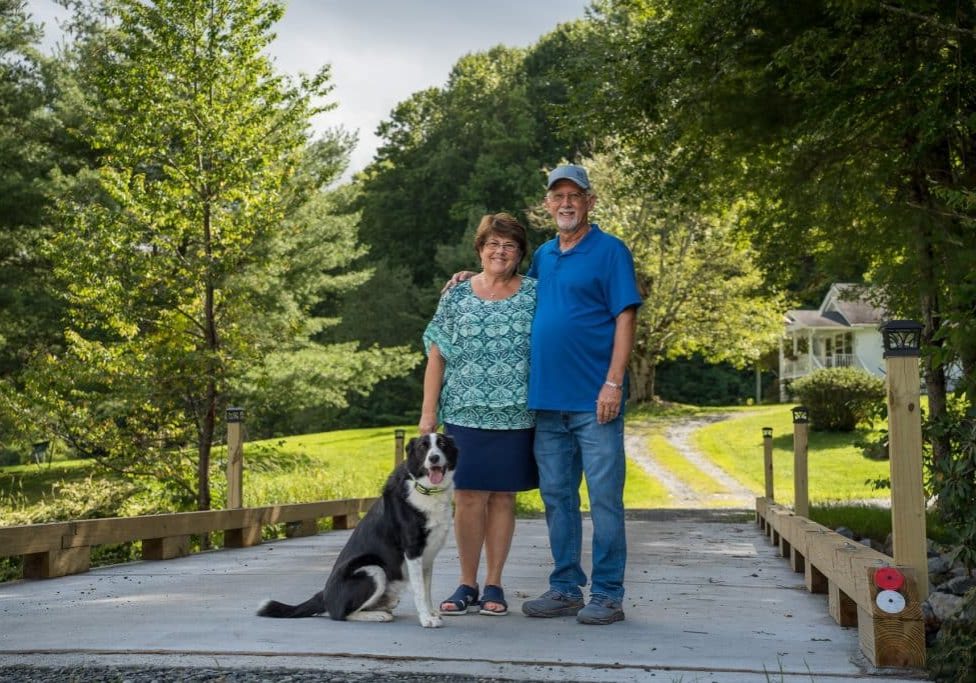
The Rocky Road — and Bridge — to Recovery
Hurricane Helene is estimated to have damaged nearly 7,000 private roads and bridges in Western North Carolina. Two years later, many restoration projects are complete, but the journey hasn’t been easy — and isn’t over for others.
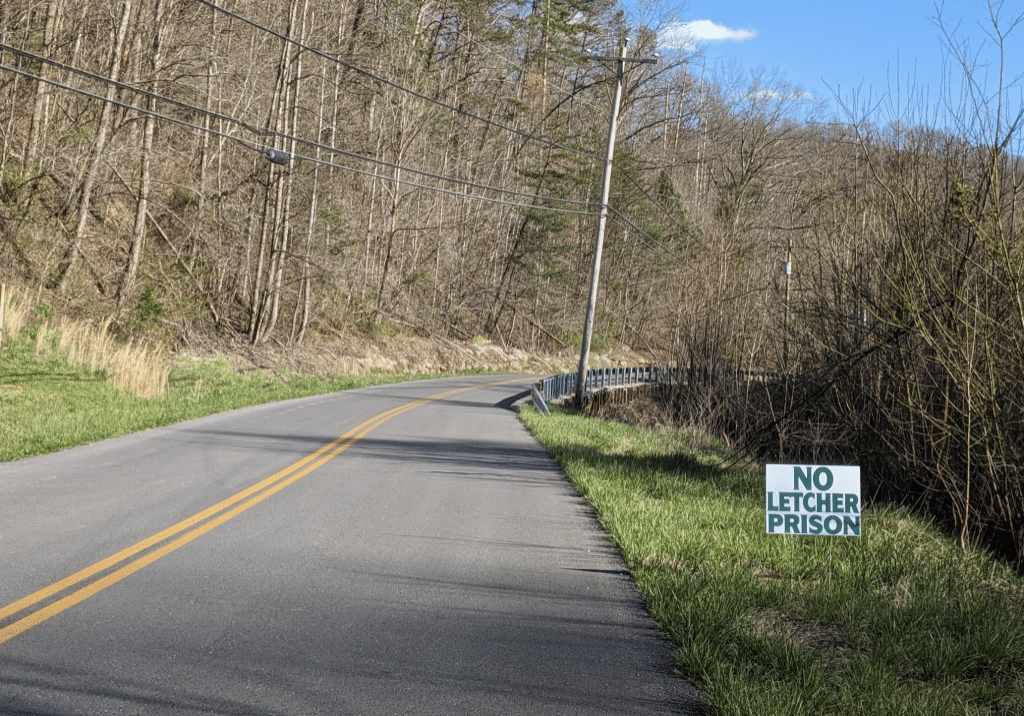
After 20 Years, Letcher County Prison Proposal Is Still Alive, Though Obstacles Remain
A $605 million proposal for a federal prison on a former strip mine site in Letcher County, Kentucky, championed by U.S. Rep. Hal Rogers, refuses to die, despite local opposition, a lack of support from the executive branch and numerous other obstacles.
The Washout and Rebuild
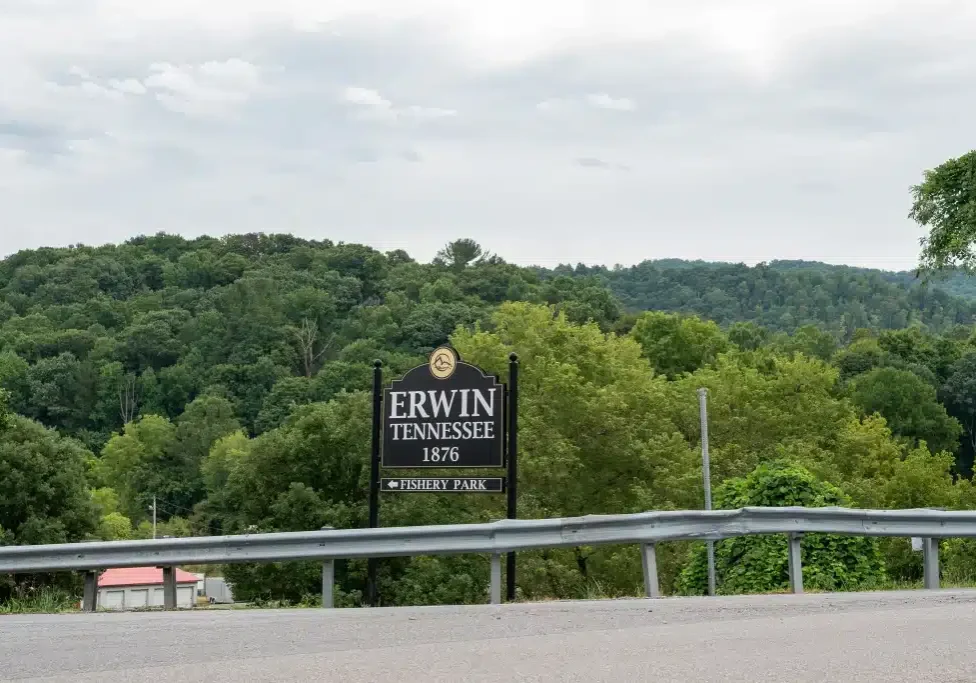
For nearly two years, residents of Unicoi County, Tennessee, have had to make do without a hospital after Hurricane Helene destroyed the rural hospital. Ballad Health, which owns the hospital, broke ground on a new location — in another floodplain — in August 2026.

The Shenandoah Salamander
The Shenandoah salamander is a woodland salamander, which has adapted to life at higher elevations away from water. This sparkling rarity lives among the dry leaves, cracked logs, and stony hillocks on the highest peaks of Shenandoah National Park.
‘Foraging Is a Way of Connecting’
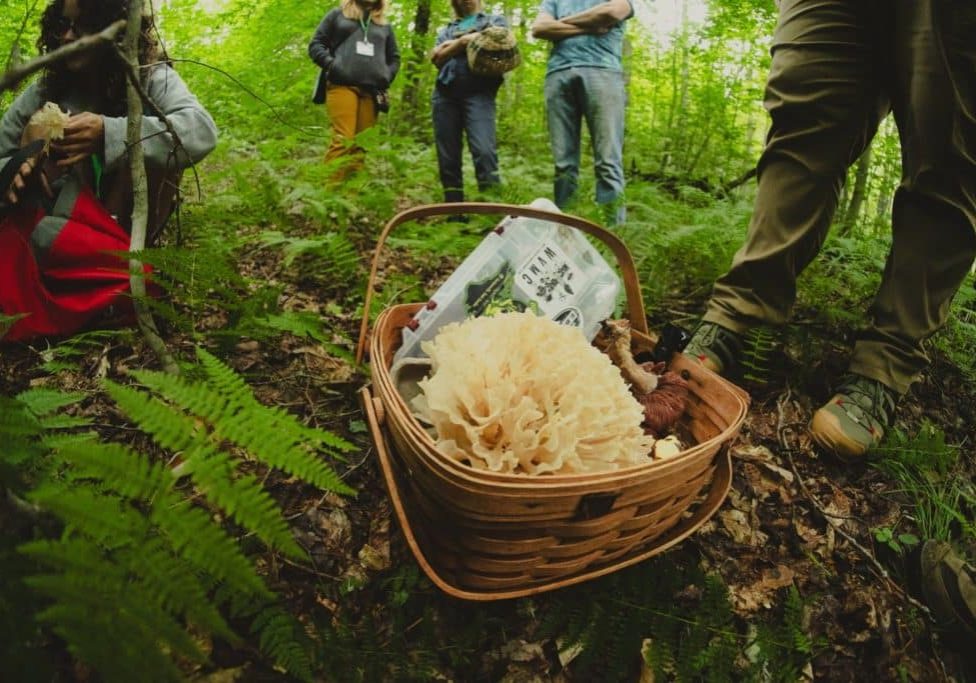
Foraging has experienced a modern resurgence, partly because of social media, online groups, the pandemic and people wanting to connect with nature. It also builds community, whether in person or online.

Leave a comment
Your email address will not be published. Required fields are marked *
Leave a Comment