

By Elizabeth E. Payne
On Dec. 31, the North Carolina Department of Environmental Quality released its recommendations for prioritizing the closure of the state’s 33 coal ash impoundments, as required by law. In a draft report made public prior to the announcement, NCDEQ staff determined that nearly all of the containment ponds had a high potential for risk. Despite this, the recommendations released by the agency assigned a reduced risk level to all sites not already identified as high priority.
The prioritization will determine how quickly Duke Energy must close each facility and what standards they must meet when securing the coal ash. In a statement released on Jan. 6, the Alliance of Carolinians Together Against Coal Ash — a coalition of community members directly impacted by the state’s coal ash — criticized the agency’s recommendations (see page 22).
NC DEQ will hold public hearings at each of the 14 sites in March.
On Jan. 29, the N.C. Supreme Court ruled that the appointment of most members of the independent commission tasked with overseeing these closures was unconstitutional. The fate of the commission is unknown.
In Virginia, Dominion Virginia Power is also closing many of its coal ash containment facilities, as required by the U.S. Environmental Protection Agency. On Jan. 14, Dominion was awarded permits to begin draining water from containment ponds at two of its power stations into Quantico Creek, which feeds into the Potomac River and then into the James River. Once drained, Dominion plans to consolidate the coal ash into a single lined pond and seal the toxins in place.
The Southern Environmental Law Center will appeal these permits on behalf of Potomac Riverkeeper Network, claiming that the permits do not require Dominion to adhere to the Clear Water Act or treat the water to remove toxins before dumping it in the rivers.
Similarly, Duke Energy has begun decanting water from the coal ash pond at its Riverbend Steam Station into Mountain Island Lake, a major source of drinking water for the city of Charlotte, N.C.
In other news, roughly half of the three million tons of coal ash at Duke Energy’s power plant in Eden, N.C., is being shipped by rail to a lined landfill in Amelia County, Va. The Eden plant was the source of the spill that dumped 39,000 tons of coal ash into the Dan River on Feb. 2, 2012.
And in Washington, D.C., the U.S. Commission on Civil Rights will hold a hearing on the “civil rights implications of [placing] coal ash disposal facilities near minority and low income communities.”
Editor’s Note: The print version of this article stated that North Carolina had 32 coal ash impoundments. This figure has been corrected to 33, reflecting the additional impoundment at the Roxboro facility announced by the N.C. Department of Environmental Quality on Jan. 13.
Related Articles
Latest News
More Stories

Halloween Approaches, and Night School Is in Session
The House of Art in Bluefield, West Virginia, looks like a haunted tower, making it the perfect location for its sixth annual haunt event: Night School. The Night School will be open every Friday and Saturday night through Oct. 31.
‘The Most Perfect Act of Love’
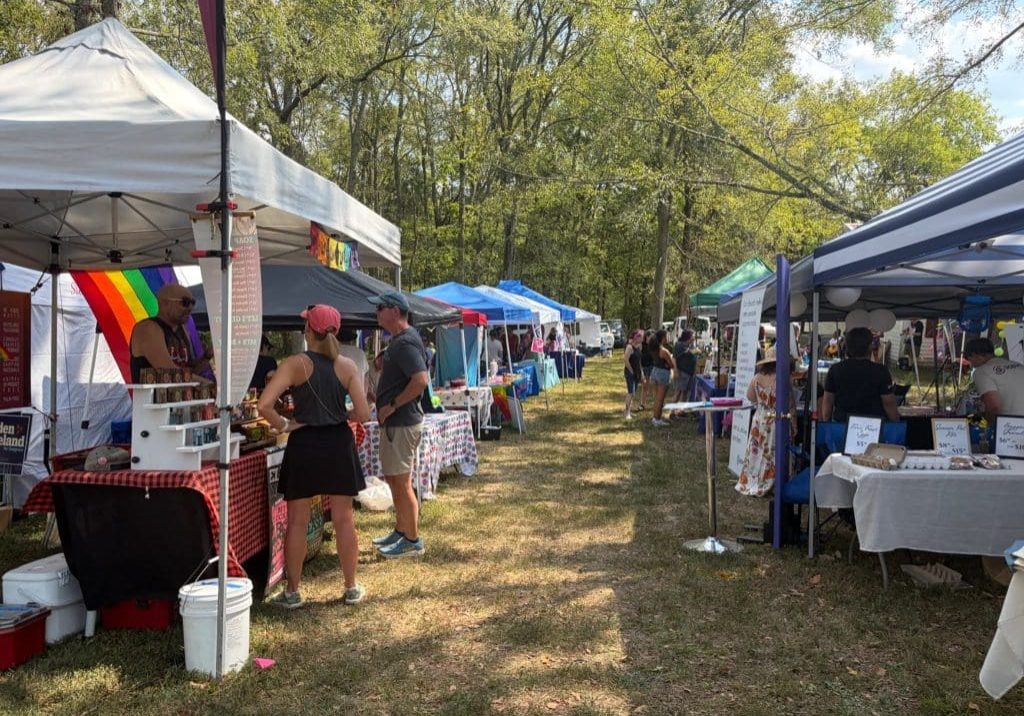
After losing its rural pride celebration, hundreds of people attended the second annual Affirming Sumner Pride celebration on a 24-acre farm dubbed “Fruity Farm” in Bethpage, Sumner County, Tennessee.

Signs of Life
In the Nantahala National Forest, a team of biologists spotted Indiana bats, an endangered species that hasn’t been seen in North Carolina for the last 11 years.

‘First Line of Defense’
During Hurricane Helene and its aftermath, rural fire departments and other first responder hubs played critical roles in keeping their communities safe, even without power and cut off from outside support for days or weeks after the storm. Two years later, plenty of work remains to ensure these hubs have the resources they need to operate day to day and be ready when emergencies or natural disasters strike.
The Rocky Road — and Bridge — to Recovery
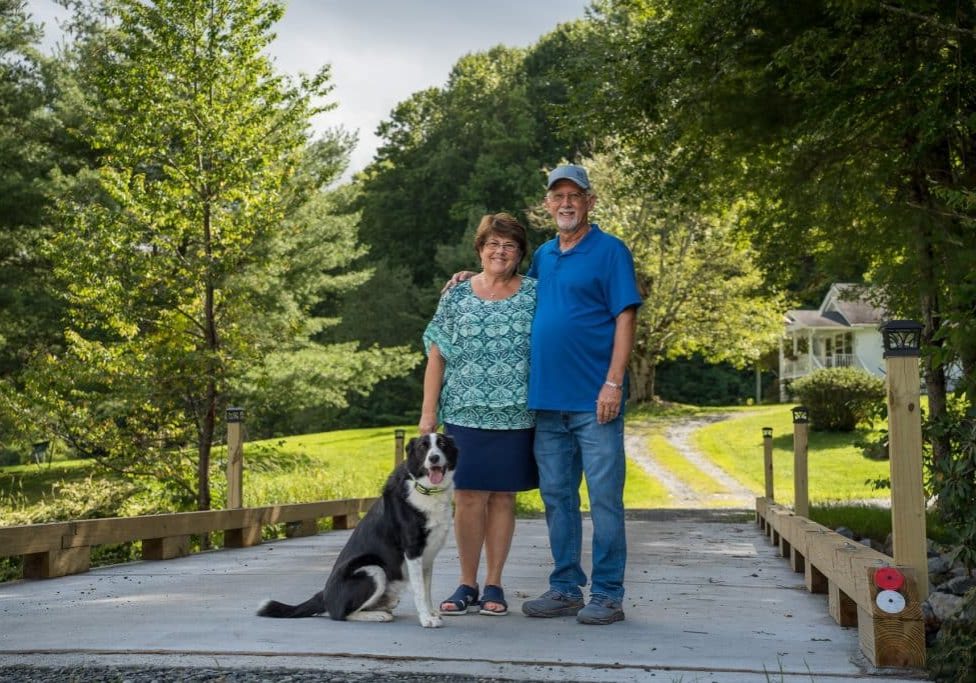
Hurricane Helene is estimated to have damaged nearly 7,000 private roads and bridges in Western North Carolina. Two years later, many restoration projects are complete, but the journey hasn’t been easy — and isn’t over for others.
After 20 Years, Letcher County Prison Proposal Is Still Alive, Though Obstacles Remain
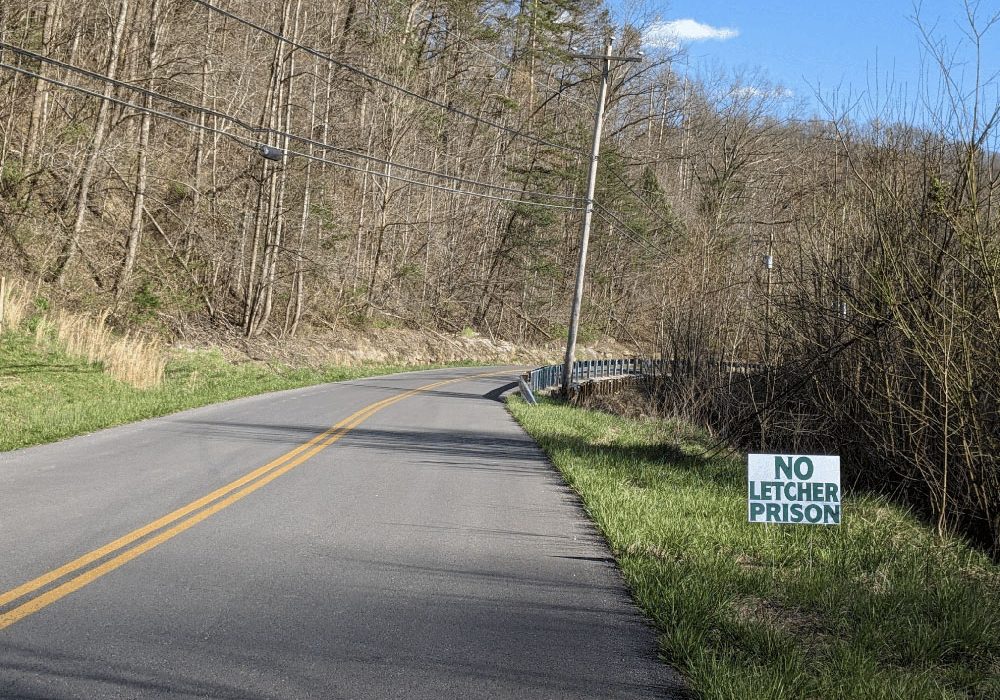
A $605 million proposal for a federal prison on a former strip mine site in Letcher County, Kentucky, championed by U.S. Rep. Hal Rogers, refuses to die, despite local opposition, a lack of support from the executive branch and numerous other obstacles.

Leave a comment
Your email address will not be published. Required fields are marked *
Leave a Comment