

Proposed Stream Protection Rule Released
By Erin Savage
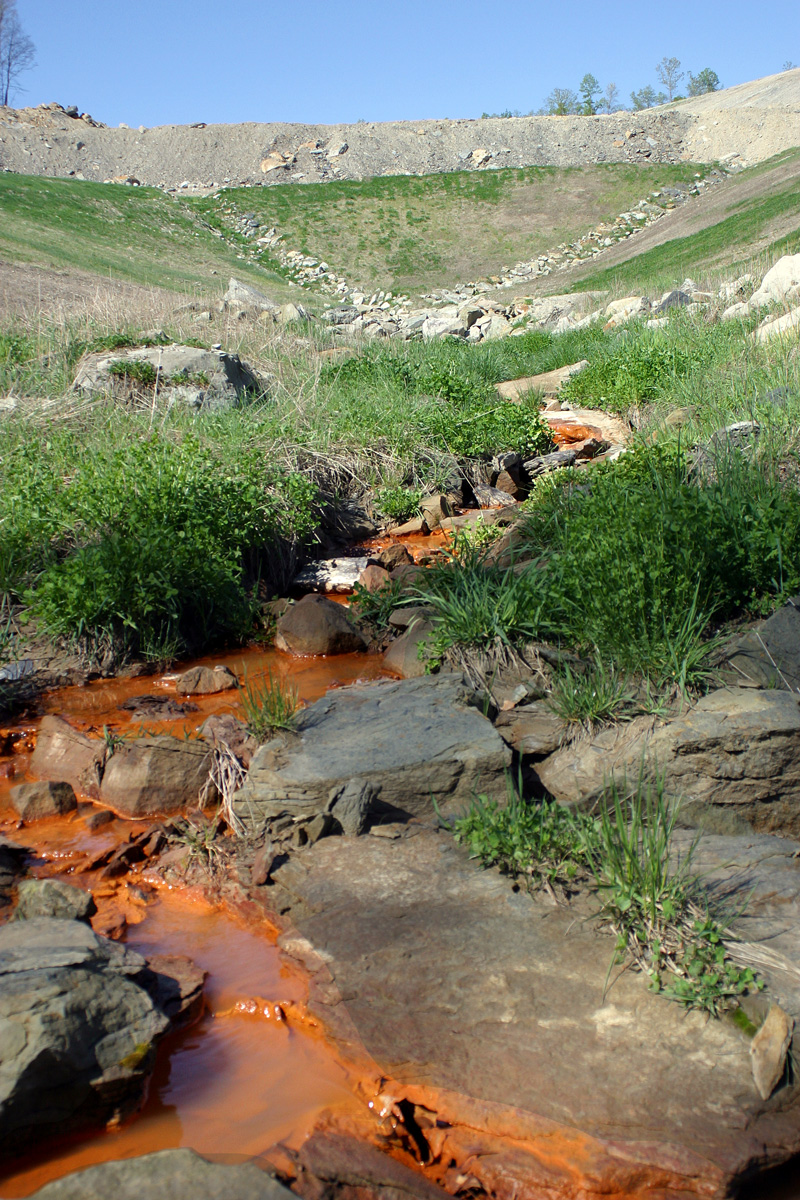
Polluted water runs off a surface mine valley fill in eastern Kentucky. Photo by Matt Wasson
The agency responsible for regulating surface coal mining across the country released a proposed Stream Protection Rule on July 16, which is intended to limit mining impacts on streams.
The long-awaited rule is not the federal Office of Surface Mining Reclamation and Enforcement’s first attempt to control the effects of surface mining on public waterways.
Currently, a 1983 Stream Buffer Zone Rule regulates mining within 100 feet of streams. In practice, the ‘83 rule allows mining activities such as filling streams with waste rock. A 2008 revision attempted to clarify circumstances under which streams could be filled, but was vacated by a federal court for violating the Endangered Species Act. This reinstated the 1983 rule.
The newly proposed rule states that it attempts to revise regulations to “improve the balance between environmental protection and the Nation’s need for coal as a source of energy.” Community and environmental groups have criticized the proposal for failing to end the construction of valley fills and other mining activities that can heavily impact water quality.
In central Appalachia, where steep terrain and a high concentration of streams make water quality impacts from mining more difficult to avoid, the rule would have its greatest effect. Overall, the rule would clarify protections given to streams during the mining process, and provide more detail about when states may grant exceptions to those protections. It would also increase baseline data collection for water quality, include provisions that increase the likelihood that mined land would be reclaimed as forest, and mandate more stringent bonding requirements for coal companies.
Despite these changes, the rule would allow mountaintop removal mining to continue.
“This proposal doesn’t go far enough to protect streams and communities,” says Earthjustice attorney Neil Gormley. “In the final rule, the Obama Administration should change course and preserve the buffer that protects streams from direct mining damage.”
The coal industry is critical of the rule’s potential impact on coal jobs. The Office of Surface Mining’s analysis examines a range of potential employment outcomes. Most scenarios predict almost no job loss over a 21-year time period due to jobs created through compliance with the rule. Worst-case scenarios predict a net job loss of roughly 120 jobs over the same period.
The agency will host public hearings on the proposed rule in Pittsburgh, Pa., Lexington, Ky., St. Louis, Mo., Charleston, W.Va., and Denver, Colo. Dates have not been announced. Appalachian Voices and other environmental groups are drafting input on the rule and plan to collaborate with impacted communities in the public comment process over the next several months.
Related Articles
Latest News
More Stories

‘First Line of Defense’
During Hurricane Helene and its aftermath, rural fire departments and other first responder hubs played critical roles in keeping their communities safe, even without power and cut off from outside support for days or weeks after the storm. Two years later, plenty of work remains to ensure these hubs have the resources they need to operate day to day and be ready when emergencies or natural disasters strike.

The Rocky Road — and Bridge — to Recovery
Hurricane Helene is estimated to have damaged nearly 7,000 private roads and bridges in Western North Carolina. Two years later, many restoration projects are complete, but the journey hasn’t been easy — and isn’t over for others.
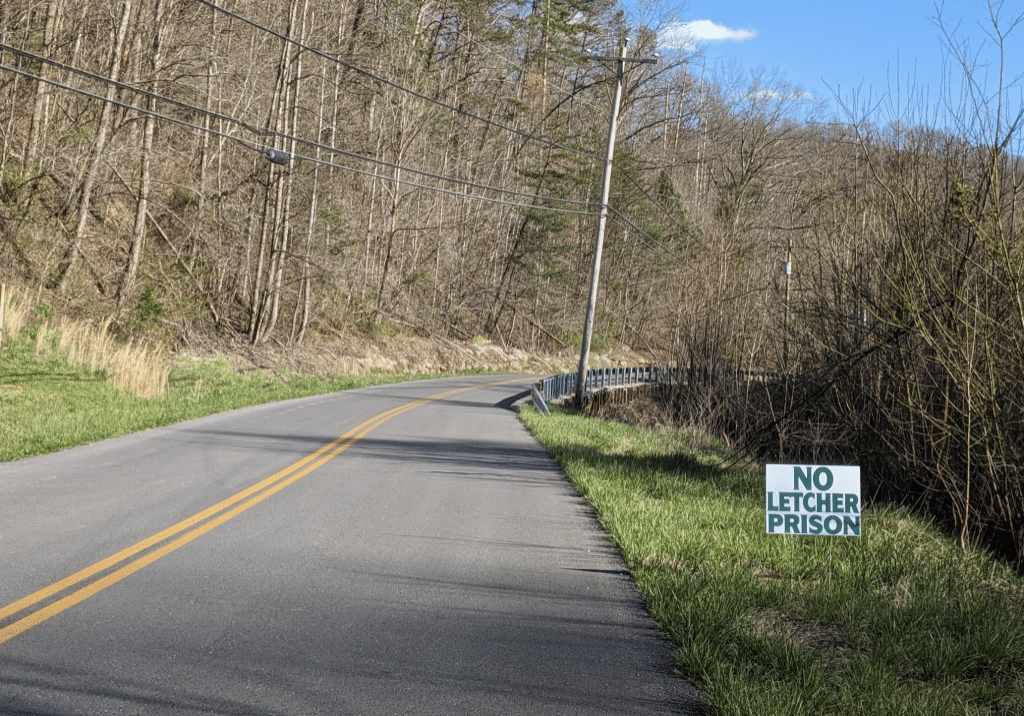
After 20 Years, Letcher County Prison Proposal Is Still Alive, Though Obstacles Remain
A $605 million proposal for a federal prison on a former strip mine site in Letcher County, Kentucky, championed by U.S. Rep. Hal Rogers, refuses to die, despite local opposition, a lack of support from the executive branch and numerous other obstacles.
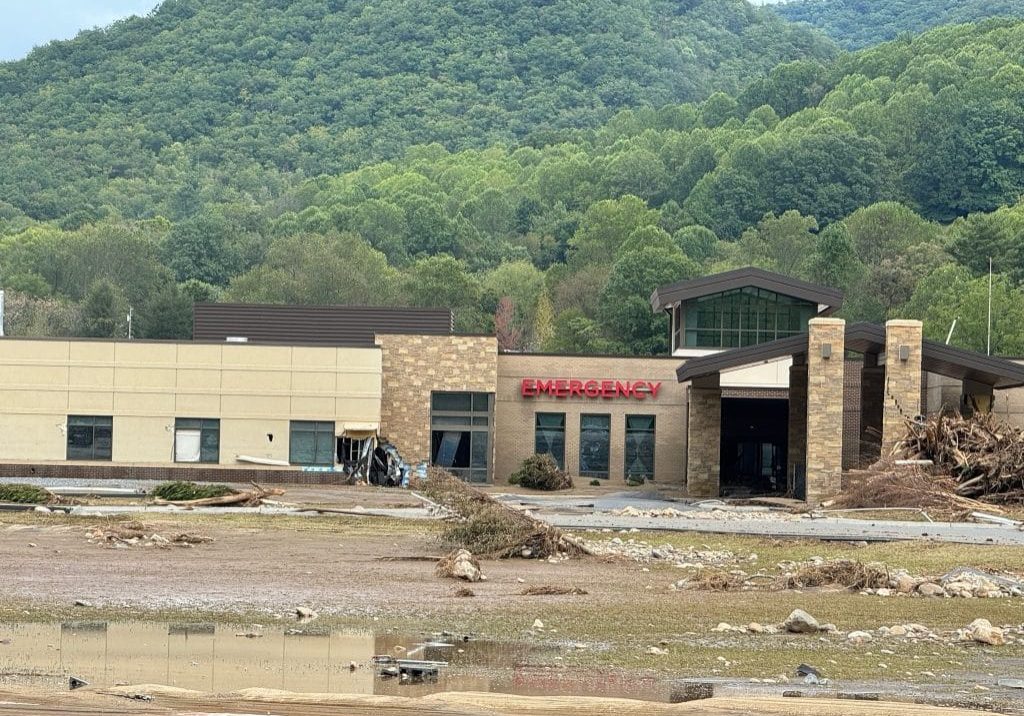
The Washout and Rebuild
For nearly two years, residents of Unicoi County, Tennessee, have had to make do without a hospital after Hurricane Helene destroyed the rural hospital. Ballad Health, which owns the hospital, broke ground on a new location — in another floodplain — in August 2026.

The Shenandoah Salamander
The Shenandoah salamander is a woodland salamander, which has adapted to life at higher elevations away from water. This sparkling rarity lives among the dry leaves, cracked logs, and stony hillocks on the highest peaks of Shenandoah National Park.
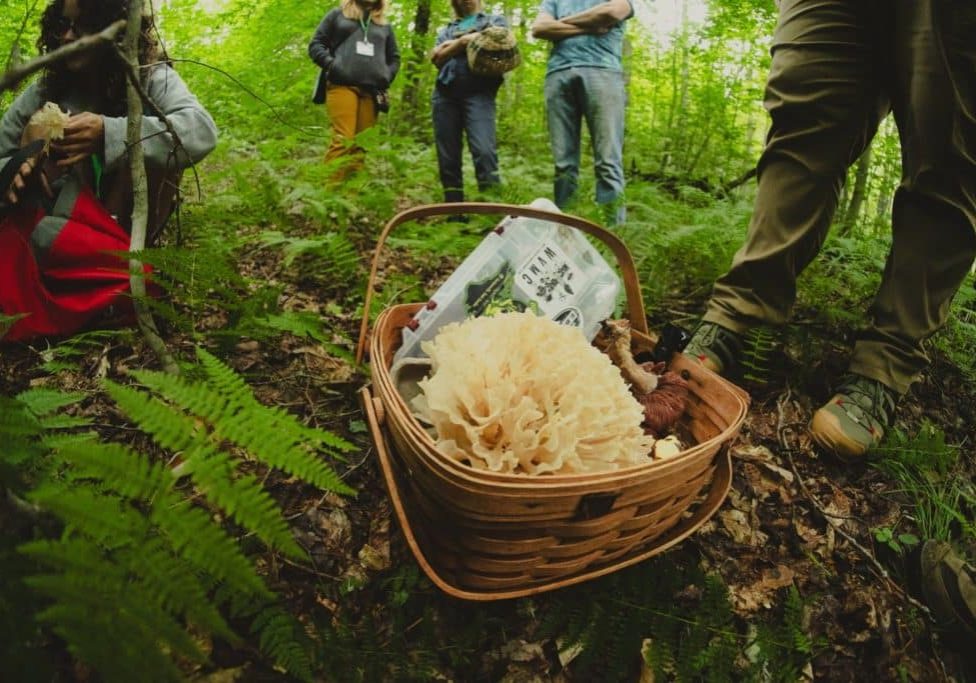
‘Foraging Is a Way of Connecting’
Foraging has experienced a modern resurgence, partly because of social media, online groups, the pandemic and people wanting to connect with nature. It also builds community, whether in person or online.

Leave a comment
Your email address will not be published. Required fields are marked *
Leave a Comment