

Former Freedom Executives Indicted for Elk River Chemical Spill
By Kimber Ray
Federal prosecutors in December charged the now-bankrupt Freedom Industries and six former employees for criminal violations of the Clean Water Act in relatation to the January 2014 chemical spill that contaminated the water of more than 300,000 West Virginia residents.
The FBI released supporting documents showing that at least a decade before the spill, Freedom was warned of problems at the Elk River site such as critical deficiencies with the tank and containment wall that allowed chemicals to seep into the river. The agency also reports that company expenditures were almost exclusively devoted to projects that would increase revenue, rather than compliance with environmental regulations.
Former Freedom Industries President Gary Southern faces additional fraud charges related to the company’s bankruptcy filing the month of the spill. According to these charges, Southern, a company executive since 2009, falsely stated under oath to have assumed leadership with the company only days before the spill in order to avoid blame and protect his assets from lawsuits.
In response to the spill, Gov. Earl Ray Tomblin signed a bill to create the nation’s first requirement for inspection of aboveground storage tanks, according to National Geographic. As of mid-January, inspection certifications required for approximately 20,000 of the state’s more than 47,000 aboveground tanks were not submitted by the Jan. 1 deadline and, of those submitted, nearly 1,100 did not meet new safety requirements.
Industry lobby groups have tried to weaken the new chemical safety bill, in one instance proposing changes that would exclude thousand of tanks near drinking water sources from new inspection and safety standards.
Such changes could provide amnesty to Lexycon, a company created by former Freedom executives three months after the spill. The new company has already been cited for charges such as improper storage of MCHM — the chemical associated with the notorious spill — and releasing chemicals into waterways without a permit. No fines have been issued.
Related Articles
Latest News
More Stories
Signs of Life
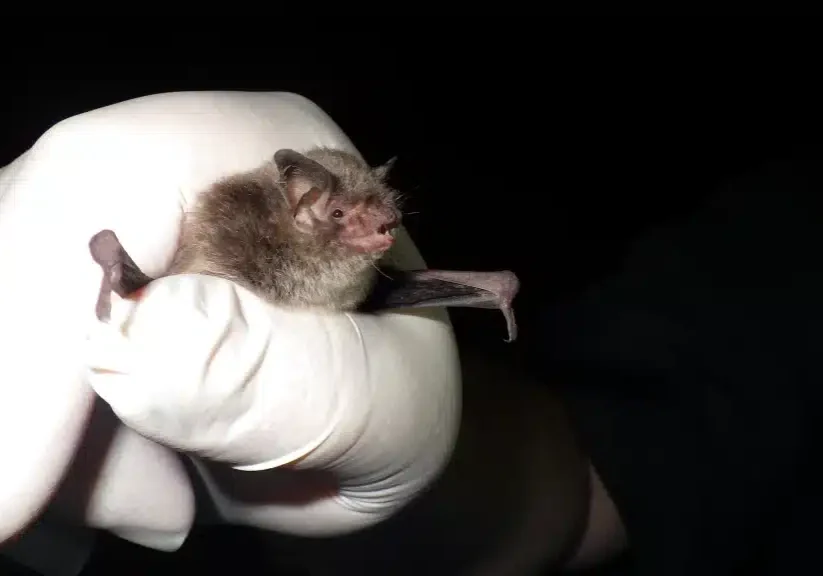
In the Nantahala National Forest, a team of biologists spotted Indiana bats, an endangered species that hasn’t been seen in North Carolina for the last 11 years.

‘First Line of Defense’
During Hurricane Helene and its aftermath, rural fire departments and other first responder hubs played critical roles in keeping their communities safe, even without power and cut off from outside support for days or weeks after the storm. Two years later, plenty of work remains to ensure these hubs have the resources they need to operate day to day and be ready when emergencies or natural disasters strike.

The Rocky Road — and Bridge — to Recovery
Hurricane Helene is estimated to have damaged nearly 7,000 private roads and bridges in Western North Carolina. Two years later, many restoration projects are complete, but the journey hasn’t been easy — and isn’t over for others.
After 20 Years, Letcher County Prison Proposal Is Still Alive, Though Obstacles Remain
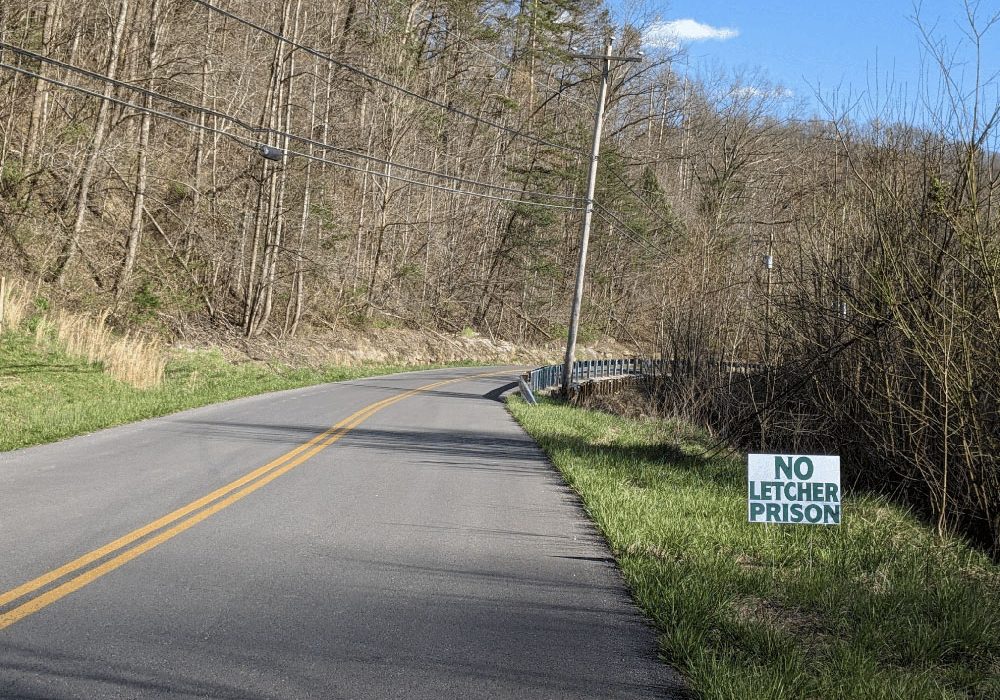
A $605 million proposal for a federal prison on a former strip mine site in Letcher County, Kentucky, championed by U.S. Rep. Hal Rogers, refuses to die, despite local opposition, a lack of support from the executive branch and numerous other obstacles.
The Washout and Rebuild
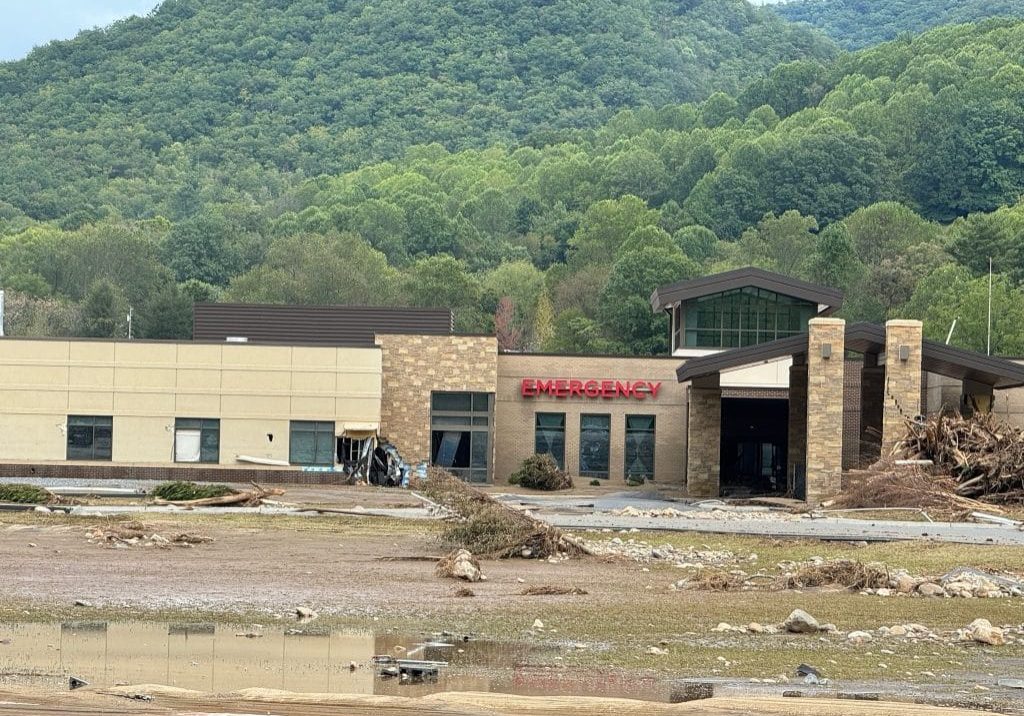
For nearly two years, residents of Unicoi County, Tennessee, have had to make do without a hospital after Hurricane Helene destroyed the rural hospital. Ballad Health, which owns the hospital, broke ground on a new location — in another floodplain — in August 2026.
The Shenandoah Salamander
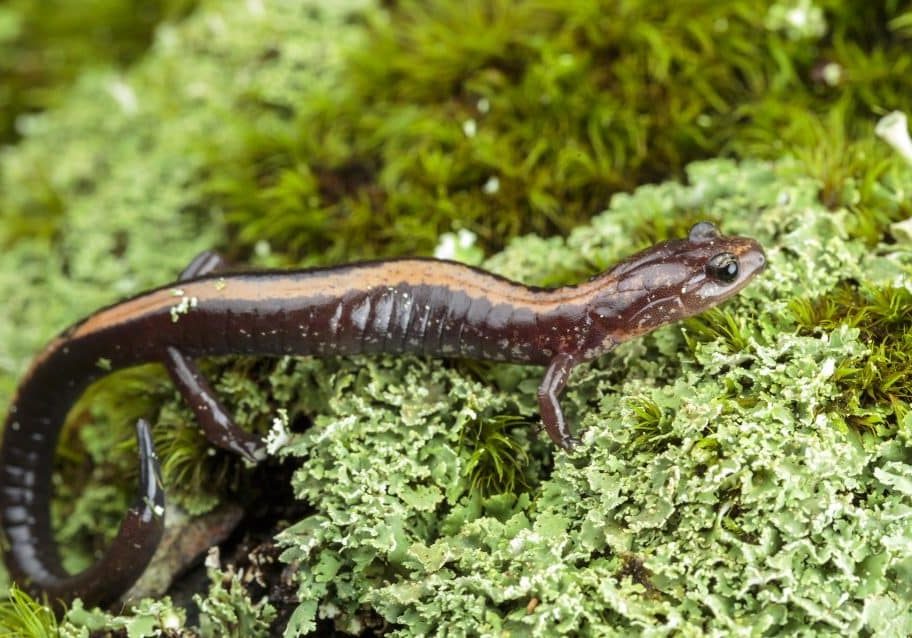
The Shenandoah salamander is a woodland salamander, which has adapted to life at higher elevations away from water. This sparkling rarity lives among the dry leaves, cracked logs, and stony hillocks on the highest peaks of Shenandoah National Park.

Leave a comment
Your email address will not be published. Required fields are marked *
Leave a Comment